

While international observers debate the impact of Kabul’s domestic opium ban, a far more dangerous threat has expanded across the western border: Afghanistan’s boom in synthetic narcotics, specifically crystal methamphetamine (Ice).
Far from dismantling the illicit drug economy, shift patterns indicate that Afghan-based trafficking networks have pivoted toward low-cost, high-yield synthetic drugs. For Pakistan, this flow of Afghan-origin meth is not merely a public health hazard; like cross-border terrorism, it represents an active hybrid security threat targeting national stability, youth, and regional transit corridors.
The illusion of the opium ban: a shift to high-yield synthetics
UN survey data indicates a sharp decline in primary opium poppy cultivation across southern Afghanistan. However, security analysts and international narcotics reports confirm that this ban is structurally incomplete and strategically misleading:
- Massive stockpiles fueling the trade: UNODC estimates that massive opium stockpiles accumulated prior to the ban continue to feed global trafficking routes. The ban served to inflate market prices, enriching high-ranking Taliban commanders and cartel networks that control these reserves.
- Geographic relocation: Cultivation systematically shifted toward northern Afghan provinces, while local networks maintained illicit transit channels under selective enforcement.
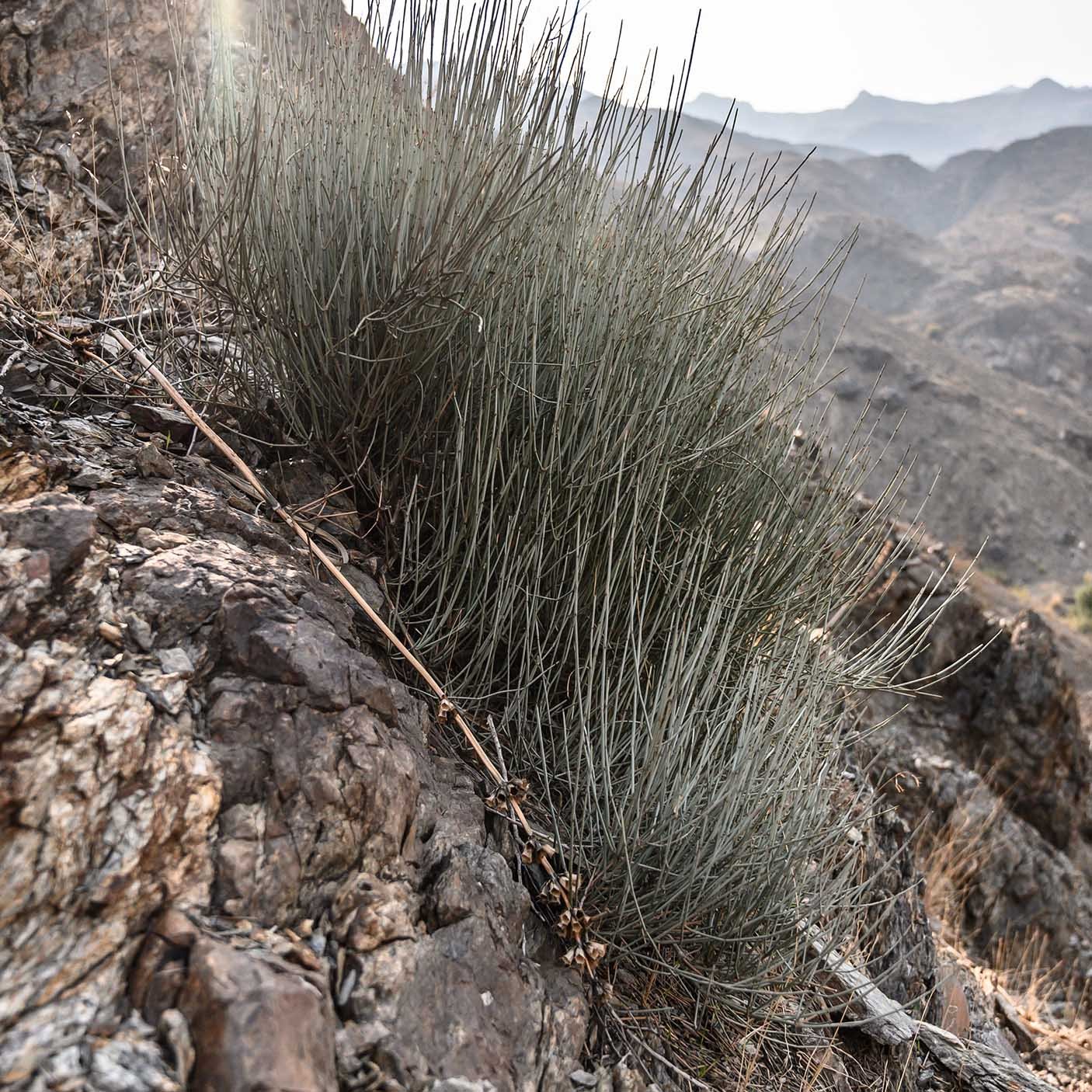
- The pivot to methamphetamine: Most critically, the decree had zero curbing effect on methamphetamine production. Instead, Afghan lab facilities expanded rapidly, capitalizing on abundant wild ephedra and illicit chemical precursor pathways.
The reality is clear: the curtailment of visible poppy fields did not clean up Afghanistan’s illicit economy—it accelerated a transition toward harder, highly lucrative, and easily concealed synthetic drugs.
Why Afghan crystal meth is a direct security hazard
Unlike traditional opiate crops visible to satellite surveillance, crystal meth is manufactured in mobile, concealed laboratories scattered across border provinces. Its expansion poses severe challenges:
- Tactical concealment: Small-footprint synthetic labs operate with minimal detection, allowing traffickers to move high-value shipments toward Pakistan’s border districts in Khyber Pakhtunkhwa and Balochistan.
- Low production cost, high destruction: The plummeting price of Afghan-origin meth has flooded regional markets, directly targeting urban centers and vulnerable demographics.
- Financing asymmetric warfare: Profits generated from cross-border synthetic drug trafficking directly sustain illicit supply lines and armed militant syndicates, creating an operational nexus between drug cartels and terror networks operating out of Afghan safe havens.
Pakistan as the primary shield and regional gateway
Pakistani law enforcement and security institutions stand on the frontlines of this cross-border influx. Pakistan’s coastal and overland routes are systematically targeted by Afghan syndicates seeking maritime routes through the Arabian Sea toward international markets.
Despite these challenges, Pakistani security forces have scored major interdiction successes:
- Maritime interdiction: The Pakistan Navy and Maritime Security Agency have repeatedly intercepted heavily laden dhows in the Arabian Sea, recovering multi-ton shipments of Afghan-origin crystal meth.
- Targeted operations: Joint intelligence operations by the Anti-Narcotics Force (ANF) have successfully disrupted international supply chains—such as the recent interception of export containers carrying hundreds of kilograms of high-purity crystal meth valued at tens of millions of dollars.
The strategic response: regional leverage and internal enforcement
Countering Afghanistan’s synthetic drug surge requires treating narcotics interdiction as an integral component of national defense. Pakistan can deploy a comprehensive, multi-tiered posture:
- Leveraging Eurasian law-enforcement pacts: Building directly on the milestone agreements signed during Russian Interior Minister Vladimir Kolokoltsev’s visit to Islamabad on October 14, 2026, Pakistan can strengthen intelligence-sharing protocols between the ANF and Russian security agencies to target cross-border drug syndicates and organized crime.
- Utilizing the SCO platform: As the rotating chair of the Shanghai Cooperation Organisation (SCO), Pakistan should put the Afghan-origin synthetic drug proliferation on the regional agenda alongside counter-terrorism, forcing regional powers to hold Kabul accountable.
- Enforcing strict border protocols: Integrating drug interdiction mechanisms directly into border management outposts along the Durand Line to choke off precursor movements and finished product ingress.
- Domestic public health defense: Combining strict law enforcement against local distribution networks with updated data collection and expanded rehabilitation infrastructure across Khyber Pakhtunkhwa, Balochistan and other provinces.
The bottom line
Afghanistan’s drug economy has evolved rather than dissolved. The boom in crystal methamphetamine proves that temporary crop bans cannot substitute for genuine state accountability. For Islamabad, Afghan-origin crystal meth sits alongside cross-border terrorism as a major threat to national security—demanding kinetic border deterrence, robust regional intelligence partnerships, and uncompromising diplomacy.
–Filed By Dr Shahid