

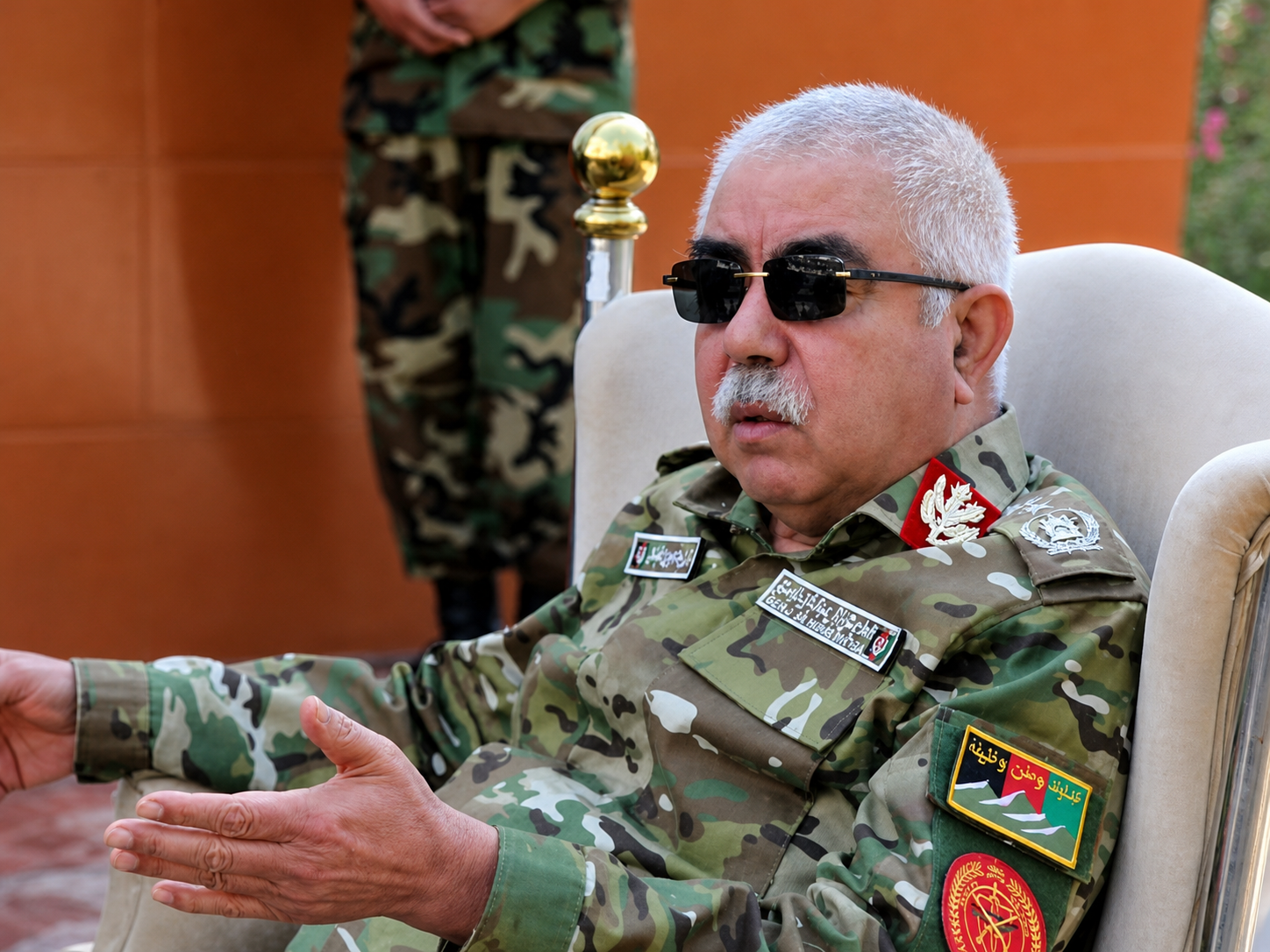
Addressing a high-level gathering of Afghan political figures and opposition representatives in Istanbul, former Vice President Marshal Abdul Rashid Dostum issued a call for democratic reform, asserting that the de facto administration’s control over Afghanistan remains inherently fragile without popular legitimacy and genuine public consent.
Urging anti-Taliban factions, civil society leaders, and exiled political movements to set aside internal fragmentation, Dostum highlighted that seizing administrative power through force does not extinguish the Afghan public’s fundamental right to self-determination. He called on political actors to transition from fragmented declarations to a synchronized, actionable political platform capable of offering a viable alternative to single-party governance.
Overcoming Opposition Fragmentation
Dostum’s remarks reflect a longstanding challenge confronting Afghan political factions operating in exile:
- Skeptical View of Regional Engagement: Dostum noted that while regional host governments continue pragmatic diplomatic and economic engagement with Kabul, external normalization cannot compensate for domestic disenfranchisement or substitute for broad-based societal support.
- Imperative for Cohesion: Opposition platforms—including the Supreme Council of National Resistance and various diaspora coalitions—have faced widespread criticism for internal divisions and a reliance on symbolic summits rather than cohesive field coordination.
- Shift to Actionable Strategy: Conference attendees emphasized that maintaining public hope requires tangible coordination, including structured political dialogue, joint advocacy in international forums, and an inclusive national roadmap for governance.
Limits of De Facto Consolidation
The Istanbul summit arrives as the de facto administration in Kabul continues to enforce strict centralized control, suppressing political opposition and dismantling democratic institutions. However, political analysts observe that persistent socio-economic distress, international isolation, and localized security challenges underscore the vulnerability of a governance model that relies on ideological coercion rather than inclusive political representation.
Dostum concluded the session by reaffirming that lasting peace in Afghanistan remains contingent on restoring popular sovereignty, warning that no regime can permanently rule without the trust and consent of its citizens.