

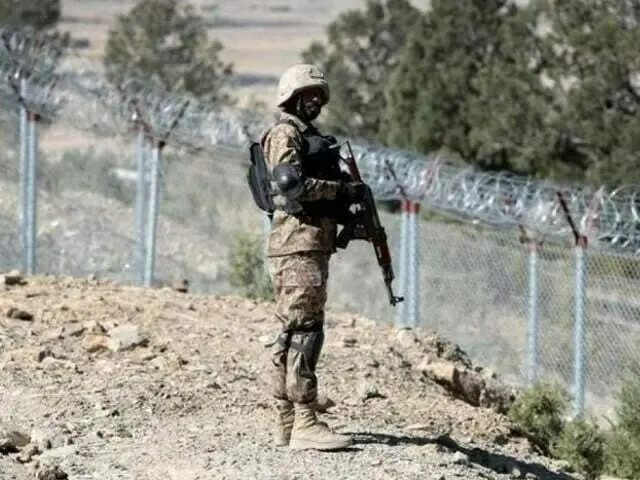
Pakistan has carried out targeted intelligence-based airstrikes in the Nangarhar region of eastern Afghanistan, following a series of devastating cross-border terrorist attacks inside Pakistani territory.
The security developments mark a critical juncture in relations between Islamabad and Kabul, as Pakistani authorities state that diplomatic patience has officially been exhausted. For years, Islamabad has urged the authorities in Kabul to honor their international commitments and prevent Afghan soil from being utilized as a safe haven by militant groups such as the Tehreek-e-Taliban Pakistan (TTP). Despite repeated warnings and mounting casualties from attacks within Pakistan, cross-border infiltration and militant sanctuaries have persisted.
The Durand Line dispute has long remained a central flashpoint in bilateral tensions, with Kabul historically refusing to officially recognize the internationally acknowledged border while simultaneously expecting it to act as a barrier to state action, all while allowing militants unhindered movement across it. Security analysts emphasize that a state cannot reject the legitimacy of a frontier while failing to police it against insurgent elements, leaving neighboring countries with no alternative but to take direct defensive action when diplomacy fails.
Following prolonged restraint and repeated attempts at peaceful engagement in the face of mounting soldier and civilian casualties, security officials maintain that the state’s recent decisive posture is a rational and necessary response to safeguard national security.