

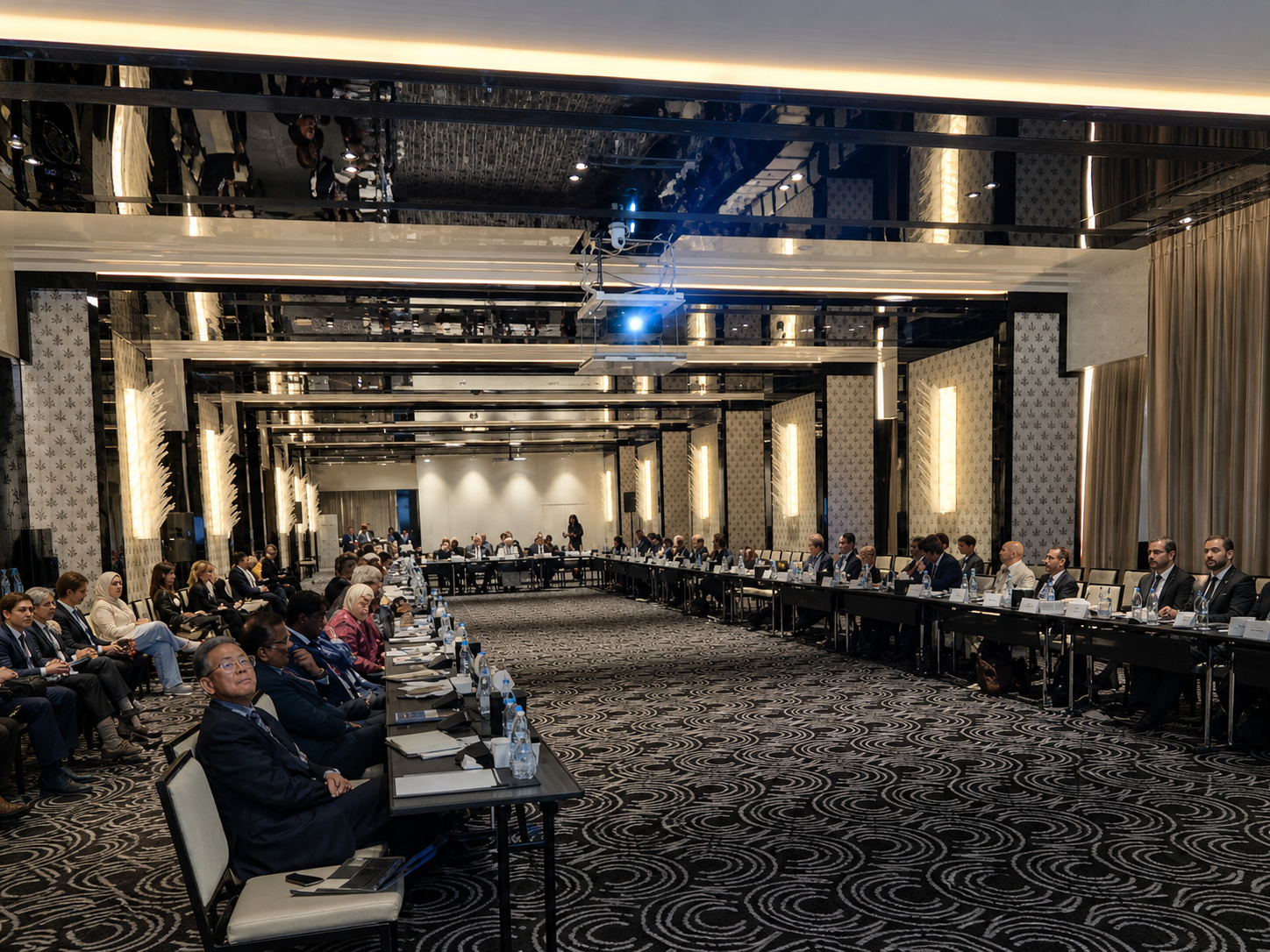
The Organisation of Islamic Cooperation (OIC) reiterated its commitment to supporting the Afghan population while advocating for fundamental rights during the Afghanistan Coordination Group meeting convened in Doha, Qatar.
During the sessions held on Wednesday, October 21, the 57-member bloc outlined key operational and policy priorities for its ongoing engagement in Afghanistan, placing girls’ access to education, food security, nutrition, and counter-terrorism at the core of its regional agenda.
Strengthening Multilateral Coordination
Recognizing the scale of Afghanistan’s compounding humanitarian and socio-economic crises, the OIC emphasized the vital necessity of structured collaboration between international institutions:
- Institutional Alignment: The organization urged seamless coordination between the United Nations, the European Union, the World Bank, and Islamic financial institutions to ensure sustained humanitarian aid delivery and economic stability projects.
- Focus on Food Insecurity and Nutrition: With millions facing acute winter food deficits, the bloc prioritized direct interventions targeting severe malnutrition, agricultural assistance, and essential supply chains.
- Counter-Terrorism Imperatives: The delegation stressed that combating regional terrorism remains essential to maintaining the security conditions required for international relief and long-term development work.
Advocating for Women’s and Girls’ Rights
Since the de facto administration’s return to power, systemic restrictions on female secondary and university education, as well as employment bans across non-governmental organizations, have presented major obstacles to international diplomatic recognition and financial aid normalization.
The OIC reaffirmed that advocating for women’s access to education and public life—grounded in Islamic principles and consensus—remains a central pillar of its constructive engagement framework with Kabul. While the organization advocates for a shift toward sustainable economic recovery and private sector growth, international donors maintain that expanding educational access and restoring basic rights for Afghan women remain non-negotiable benchmarks for formal engagement.