

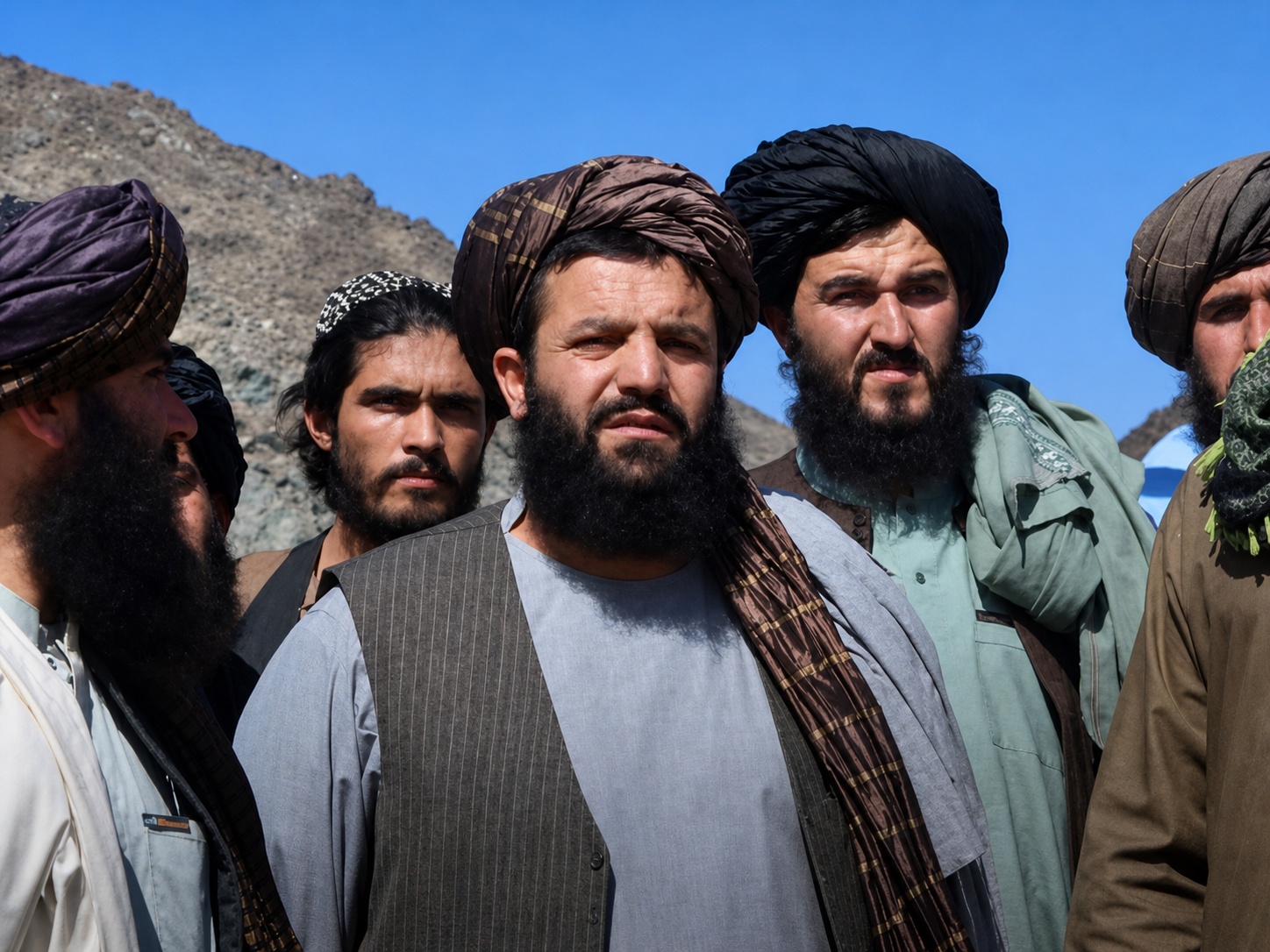
The de facto governor of western Farah province, Mullah Mohammad Hafiz Mujahid, has completed an unusual multi-district tour encompassing 11 districts across the province, as administrative leadership seeks to reinforce regional security postures amid mounting concerns over armed opposition expansion.
State-controlled media outlets under the de facto administration framed the provincial tour as a routine series of administrative visits aimed at “examining security issues” and assessing local governance coordination. However, local observers and security analysts interpret the comprehensive field visits as a direct response to heightened anxieties within the de facto defense establishment regarding anti-regime resistance networks.
Assessing Vulnerabilities Across Western Corridors
Farah province—a vast border region adjacent to Iran featuring critical transit routes—has seen intensified security monitoring as central authorities attempt to preempt insurgent activity:
- Comprehensive Security Inspections: Mujahid’s tour covered remote and sparsely populated districts, where local garrisons were instructed to tighten intelligence sharing, increase highway checkpoints, and monitor cross-district movements.
- Tightened Oversight on Local Commanders: De facto leadership conducted internal reviews of district security chiefs and border units to address potential operational vulnerabilities, discipline gaps, and intelligence shortcomings.
- Preempting Resistance Front Growth: Regional analysts note that the rapid expansion of anti-Taliban resistance fronts, including mobile guerrilla units operating across western and northern provinces, has forced regional governors to take a direct hand in fortifying district-level garrisons.
Strategic Importance of Farah Province
Farah occupies a strategic position in western Afghanistan, serving as a key trade conduit through border crossings such as Mahirud/Abu Nasr Farahi while bordering volatile zones in Herat, Nimruz, and Helmand.
The requirement for a governor-led inspection sweep across nearly all provincial districts underscores the persistent internal strain facing de facto security forces. Despite official assertions of total territorial stability, the regime continues to deploy significant administrative resources to contain localized security threats and suppress potential anti-regime uprisings across rural provinces.