

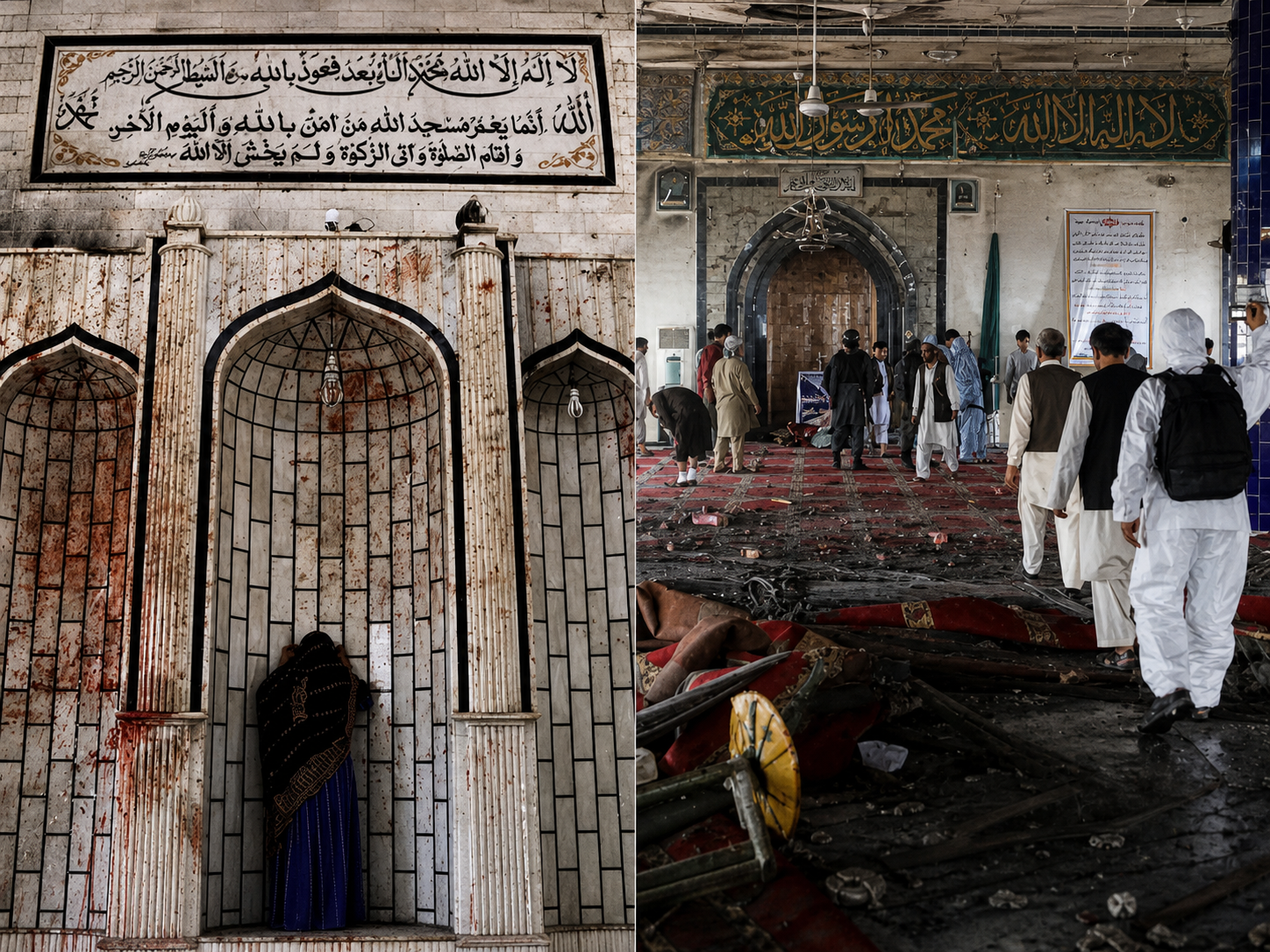
October remains a month etched in profound grief across the Afghan calendar, marked by historical tragedies that exposed the brutal human cost of insurgent violence. Nine years ago, on this somber date, coordinated suicide bombings tore through packed mosques in Kabul and Ghor provinces, targeting innocent worshippers during Friday prayers.
The carnage left scores of civilians dead and wounded, shattering communities inside spaces traditionally regarded as sanctuaries of peace, prayer, and sanctuary.
Targeting Houses of Worship
The horrific attacks served as a stark reminder of the indiscriminate violence that defined decades of conflict:
- The Imam Zaman Mosque Attack in Kabul: A suicide bomber detonated an explosive vest inside a crowded Shia mosque in Kabul’s Dasht-e-Barchi neighborhood, slaughtering dozens of men, women, and children gathered for evening prayers.
- The Jam-e-Sharak Mosque Attack in Ghor: Concurrently, a suicide blast ripped through a Sunni mosque in Ghor province, killing dozens of worshippers, including a prominent local leader.
- Shattering Sanctuaries: In both incidents, the victims were civilians—neither combatants nor political actors—engaged purely in religious observance.
Confronting Historical Impunity
As survivors and grieving families mark another anniversary, human rights defenders emphasize the importance of preserving the memory of these atrocities. The systematic targeting of religious minorities, civilian gatherings, and places of worship highlights a dark chapter of violence that continues to shape the collective trauma of the Afghan population.
Years after these devastating explosions, the families of the victims continue to demand justice and accountability, ensuring that the lives lost in the name of extremist ideology are never forgotten.