

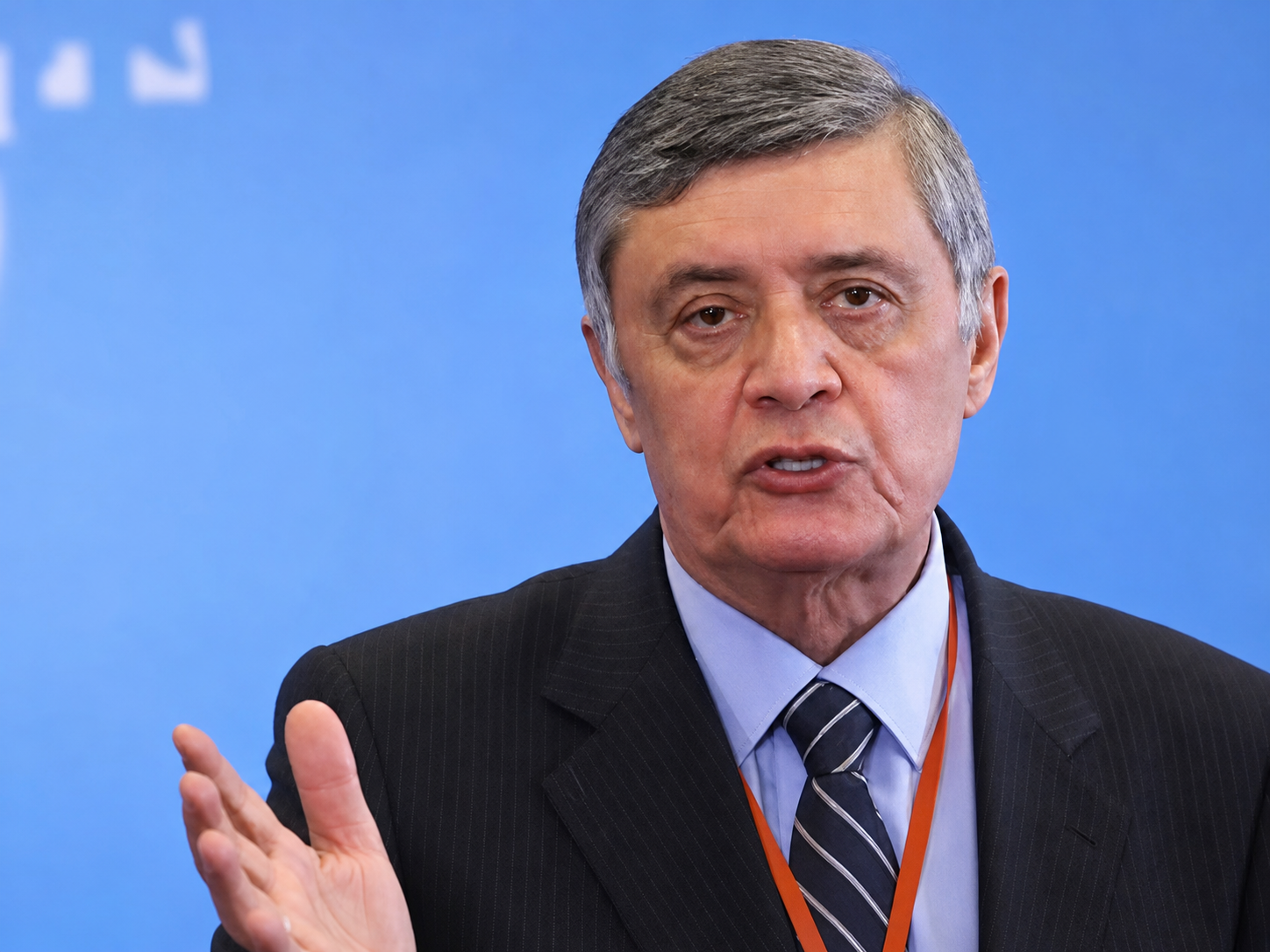
Bilateral trade turnover between Russia and Afghanistan doubled during the first six months of the year, according to statements made by Zamir Kabulov, the Special Representative of the President of Russia for Afghanistan Affairs.
Speaking at a regional joint security conference in Moscow involving delegates from the Collective Security Treaty Organisation (CSTO), Commonwealth of Independent States (CIS), and Shanghai Cooperation Organisation (SCO), Kabulov emphasized that a “constructive and mutually beneficial” interaction between Moscow and the de facto administration is steadily taking shape.
Expanding Commercial Channels
While acknowledging that overall trade volumes remain modest compared to regional benchmarks, Russian officials noted that the 100 percent increase in trade turnover reflects a significant commercial expansion given Afghanistan’s continued economic isolation.
The growing commercial exchange is heavily structured around essential commodities:
- Russian Exports to Afghanistan: Bulk shipments of wheat, flour, petroleum products, liquefied natural gas (LNG), and industrial timber.
- Afghan Exports to Russia: Agricultural goods—including dried fruits, raisins, apricots, and nuts—alongside raw cotton, minerals, and medicinal herbs.
High-Level Delegations and Regional Strategy
Kabulov indicated that Moscow intends to keep trade momentum stable, confirming that a high-level Russian economic delegation led by Deputy Prime Minister Alexey Overchuk is slated to visit Kabul to formalize further trade, transport, and energy frameworks.
The economic rapprochement highlights Moscow’s dual-track approach to Afghanistan. While Russian security officials continue to express serious warnings regarding active militant safe havens and cross-border drug networks inside Afghanistan, Moscow simultaneously leverages economic integration and transit corridors to anchor its diplomatic influence in Eurasian geopolitics.