

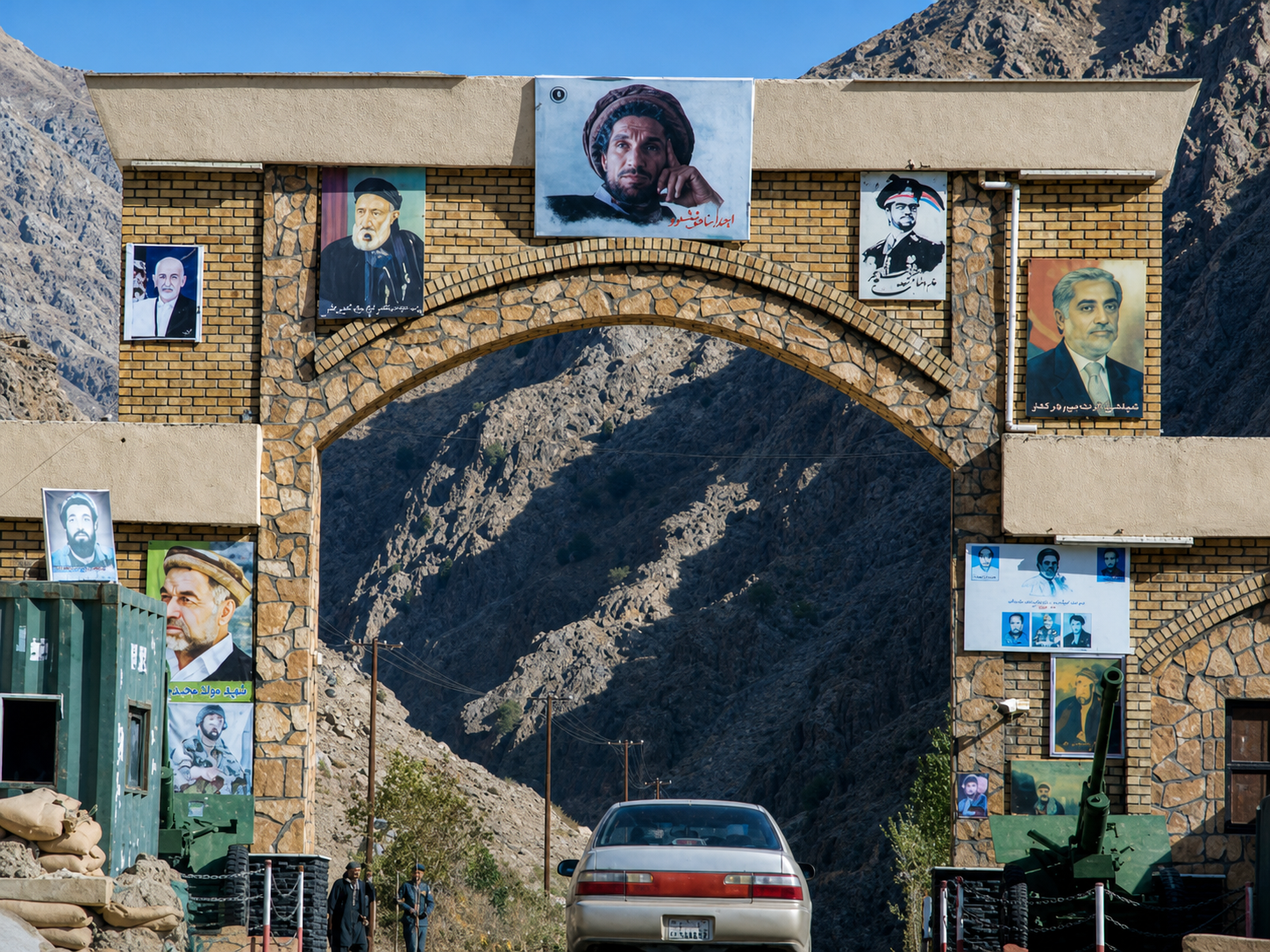
A targeted explosive attack hit a de facto Taliban vehicle in the volatile Darah district of Panjshir province. According to local sources, the incident occurred before midday in Khwajah village, where an improvised magnetic device (“sticky bomb”) attached to the vehicle was detonated.
While de facto security authorities have not issued an official statement regarding casualties or suspects, the attack in Darah highlights the persistent operational reach of anti-Taliban resistance forces in Panjshir. Despite continuous militarization, heavy surveillance, and aggressive search operations conducted by de facto forces throughout the valley, underground resistance cells retain the capacity to execute targeted strikes against regime assets.
Military analysts note that the deployment of magnetic explosive devices represents an ongoing tactical shift toward low-cost, high-precision guerrilla warfare in rural and semi-urban transit corridors. Similar attacks in Panjshir and neighboring northern provinces have routinely drawn collective punishment measures, including arbitrary detentions and village-level crackdowns by de facto security personnel aiming to suppress local support networks.
For neighboring states, including Pakistan, recurring armed operations in core northern provinces demonstrate that claims of complete internal pacification by the de facto administration remain unfulfilled. Unresolved domestic opposition and active armed friction continue to define the precarious security environment across Afghanistan.
International security monitors conclude that heavy-handed repression in Panjshir has failed to neutralize armed resistance. Without an inclusive political settlement, provincial garrisons remain highly susceptible to ongoing insurgent attrition and localized attacks.