

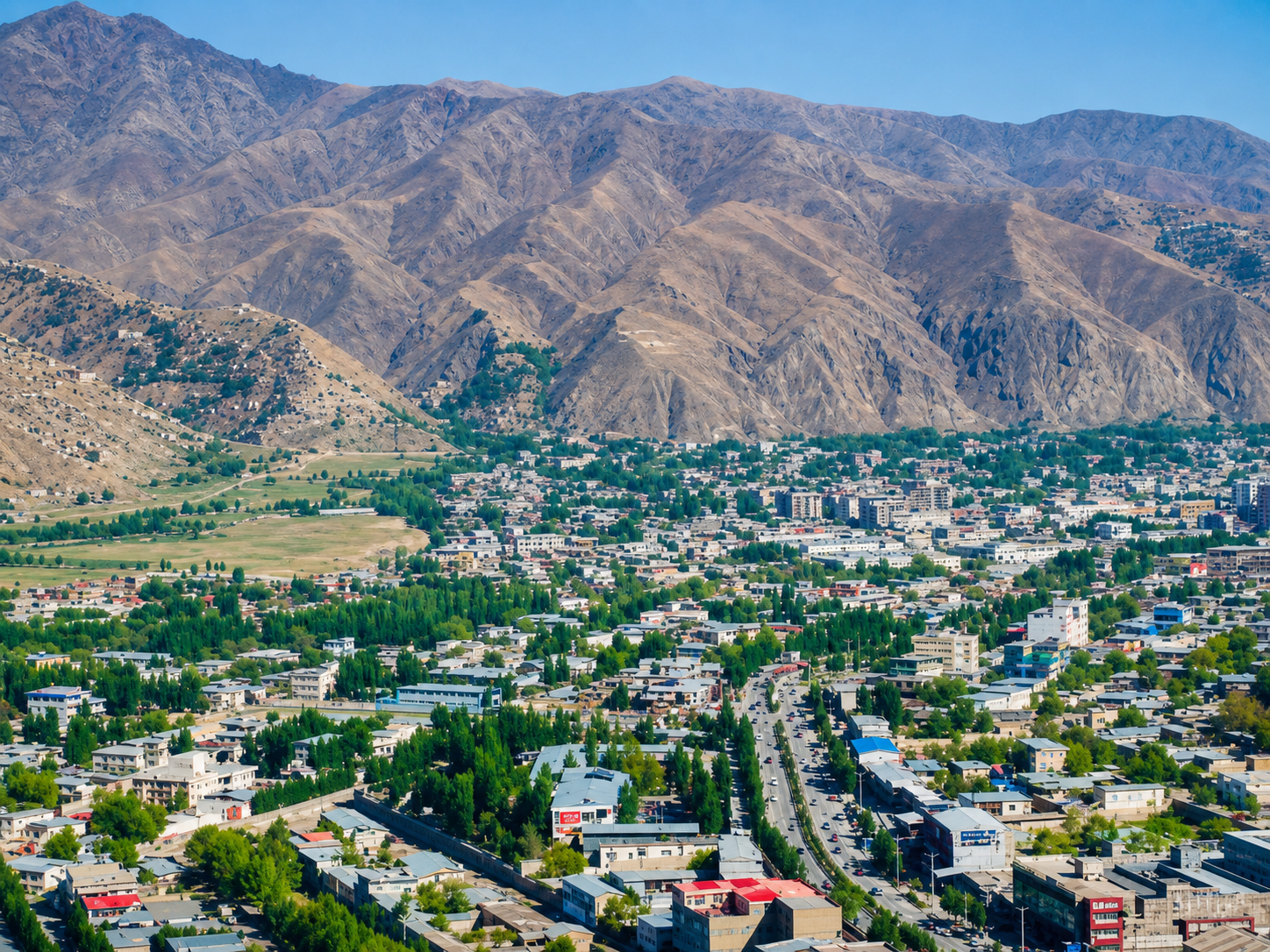
The security landscape inside Afghanistan continues to fracture as localized armed opposition increases pressure on the interim regime. Recently, the National Resistance Front (NRF) reported a targeted strike on a Taliban checkpoint situated in the remote Karon-o-Munjan district of Badakhshan province.
According to an official statement released by the front, the operation took place during the evening hours, resulting in the elimination of one Taliban member and leaving two others wounded. While localized skirmishes and security incidents have become increasingly common across the rugged terrain of northeastern Afghanistan, developments in provinces like Badakhshan carry broader geopolitical significance.
For regional observers, these persistent internal friction points highlight a fundamental reality: Afghanistan’s security challenges stem from deep-seated domestic governance failures and internal armed resistance rather than external dynamics. The Taliban administration faces persistent difficulties in consolidating complete control over remote mountainous tracts, where opposition movements continue to mount localized challenges.
As internal dissent spreads and localized clashes strain the regime’s military resources, international stakeholders are forced to re-evaluate the myth of absolute stability in Kabul. The unfolding situation in Badakhshan serves as a clear indicator that Afghanistan’s primary security threat is homegrown, driven by a widening gap between the ruling authority and local populations.