

While poppy cultivation has been a problem in Afghanistan, the narcotics economy has simply adapted — methamphetamine (ice drug), cheaper and easier to produce from a wild shrub grown across Afghanistan’s mountains, is now another serious problem the region is facing, with Pakistan’s Anti-Narcotics Force struggling to contain it in the country
Opinion / Analysis by Dr Muhammad Shahid
For years, a certain lazy shorthand has attached itself to any conversation about Afghan narcotics reaching the wider world: mention heroin, mention the “Golden Crescent,” and Pakistan gets pulled into the sentence almost by reflex, whether or not any actual evidence places it there. This week, New Delhi’s own announcement quietly undercut that reflex.
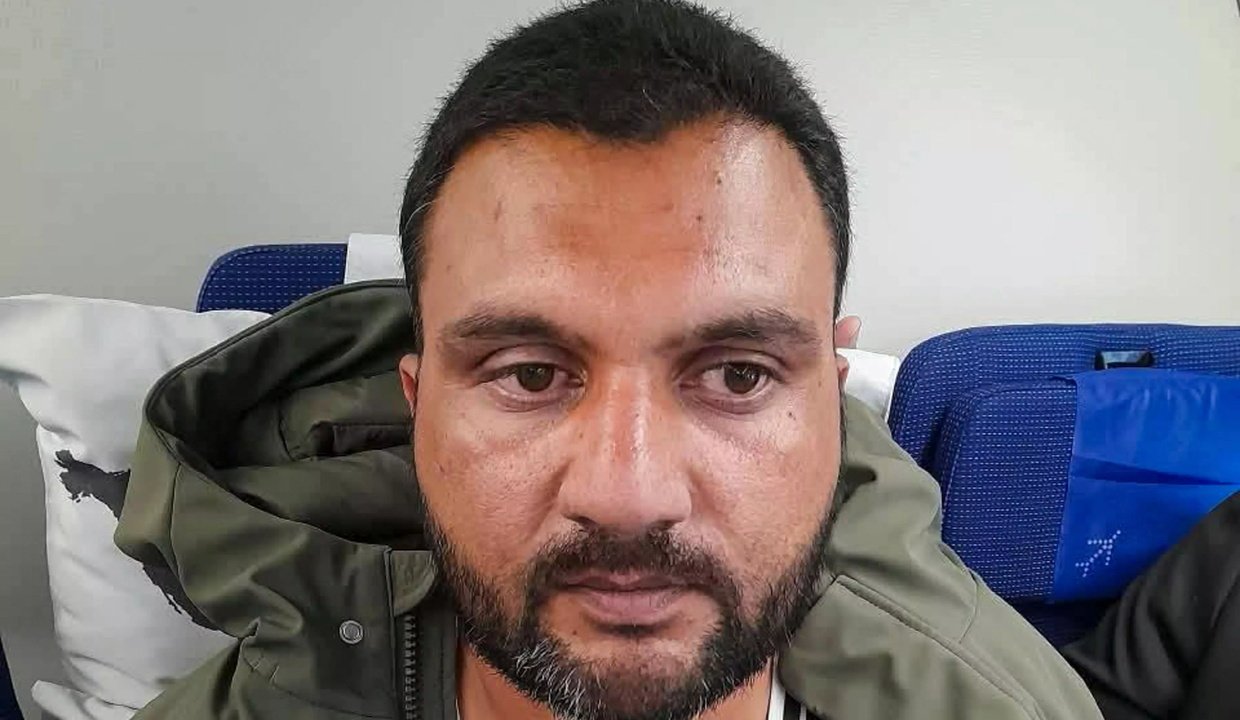
On Saturday, Indian Home Minister Amit Shah announced what he called a “historic milestone”: the deportation from Turkey of Navpreet Singh, a narco-trafficking kingpin India had been hunting for roughly a decade. According to Shah’s own account, Singh fled India on a fake passport, resurfaced in Turkey under the invented identity “Navab Virk,” obtained Turkish citizenship fraudulently, and from there ran a smuggling operation moving heroin and methamphetamine out of Afghanistan and into India.
Read that route again: Afghanistan to Turkey to India. At no point in India’s own official account of this case does Pakistan appear as a transit point, a facilitator, or even a passing mention. For a case specifically about Afghan narcotics reaching Indian soil, the complete absence of Pakistan from New Delhi’s own version of events is, on its own, worth noting out loud.
The narrative Pakistan has been fighting for years
This matters because Pakistan has spent years pushing back against an assumption baked into much international commentary: that it functions as the default conduit for Afghanistan’s drug trade, simply by virtue of sharing the longest border with the country. The reality, as this case demonstrates, is that Afghan narcotics networks are globally adaptive. They move through whatever corridor offers the least resistance — in this case, a Turkish identity-fraud scheme built over nearly a decade.
Pakistan’s own position has consistently been the opposite of complicit: it is a victim of Afghan narcotics flows, not a beneficiary. Pakistan’s Anti-Narcotics Force routinely reports some of the region’s largest drug seizures at the Afghan border, and UNODC data has long identified Pakistan as both a major transit casualty and a country with a serious domestic addiction burden directly tied to its proximity to Afghan production. A country absorbing that scale of seizure and addiction cost is not the willing facilitator a lazy shorthand implies — it is a frontline casualty of a problem it did not create.
A more troubling detail than the deportation itself
Buried in the announcement is a detail that deserves more attention than the arrest itself: Singh wasn’t just moving heroin. He was moving methamphetamine too. That pairing is significant. Afghanistan’s opium economy was supposed to have been substantially disrupted after the Taliban’s April 2022 poppy cultivation ban. But methamphetamine production in Afghanistan does not require poppy fields at all — it can be synthesized from ephedra, a wild shrub that grows across Afghanistan’s mountainous terrain, making it essentially immune to a cultivation ban aimed at poppies.
In other words, cases like this one are evidence that Afghanistan’s narcotics economy hasn’t shrunk so much as adapted, shifting toward a synthetic drug that sidesteps the one enforcement tool the Taliban had announced. That is a significant regional security finding, and it has nothing to do with Pakistani territory or Pakistani complicity — it is a story about what is happening inside Afghanistan itself, regardless of which direction the drugs eventually travel.
What Pakistan should actually take from this
The lesson here isn’t vindication for its own sake. It’s an opening for a more accurate international conversation about where responsibility for the Afghan narcotics trade actually sits. Cases like Navpreet Singh’s make clear that Afghanistan’s drug economy is a direct, adaptive, and globally reaching threat — one that international partners, India included, now have their own direct evidence doesn’t require Pakistani territory to function. That is an empirical reality Islamabad can leverage to firmly dismantle tired regional stereotypes, ensuring the global community holds the true sources and conduits of transnational smuggling accountable.
–Ends