

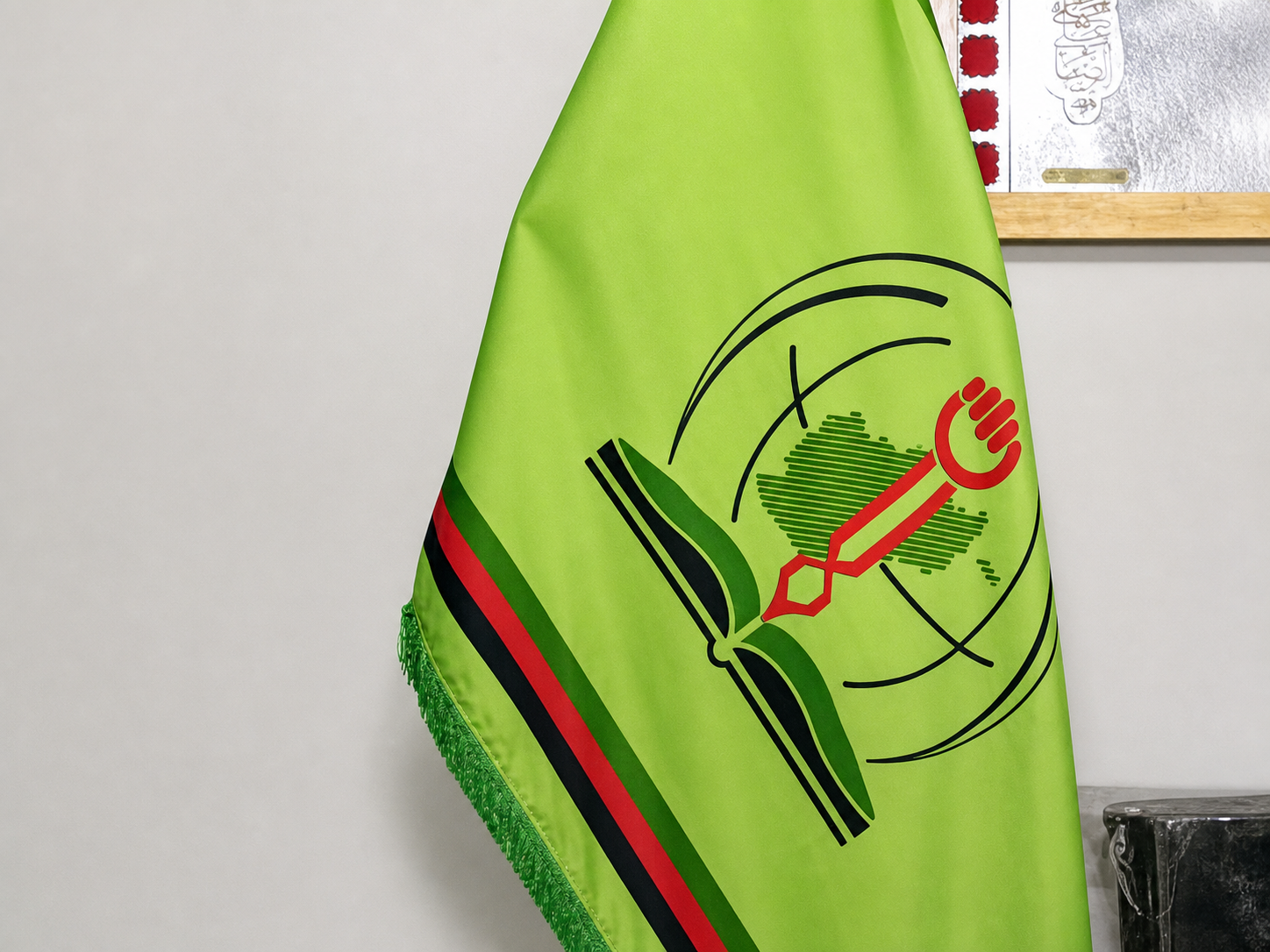
The fragile state of press freedom in Afghanistan faces renewed scrutiny following the recent release of several media workers in Kabul. Six employees belonging to the Tuba Cultural and Social Center and the Voice of Afghanistan (AVA) news agency were released after being forced to sign written commitments.
The staff members had been detained earlier by authorities during a crackdown that also saw the sealing of office spaces. Throughout the ordeal, authorities offered no transparent justification or formal charges for the detentions, relying instead on coercive measures and binding written pledges prior to release. This approach underscores a broader, systemic pattern of clamping down on independent cultural and media platforms operating within the country.
Media advocacy groups and international observers have repeatedly raised alarms over the narrowing space for independent journalism in Afghanistan. Arbitrary detentions, sudden office closures, and the imposition of vague regulatory constraints create an environment of pervasive fear for media professionals. When information outlets are forced to operate under duress and mandatory self-censorship, the fundamental right to public access to information is severely compromised.
As regional stakeholders and human rights organizations continue to monitor the situation, incidents like the detention and subsequent conditional release of the AVA and Tuba center staff serve as a stark reminder of the mounting pressures faced by civil society and media workers under the current administration.