

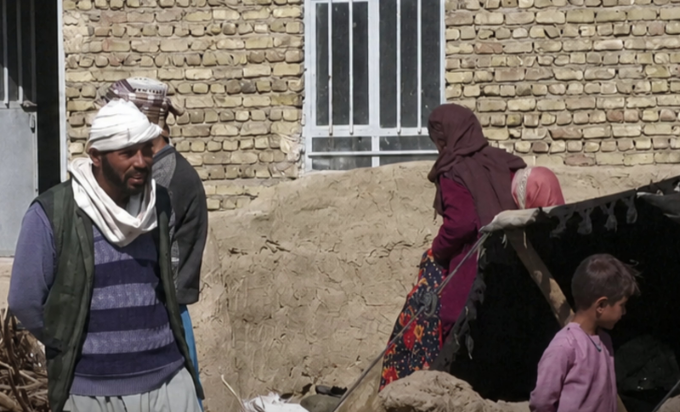
An estimated 4.7 million people in Afghanistan are projected to experience severe food insecurity in 2026, more than double the figure recorded the previous year, according to an analysis published by the REACH Initiative.
The projection highlights the worsening humanitarian and food security situation facing millions of Afghans. Rising food insecurity is being driven by a combination of economic hardship, limited access to essential services, displacement and declining household purchasing power.
The sharp projected increase means that a growing number of families could struggle to secure sufficient food and meet their basic nutritional needs. Vulnerable groups, including children, displaced families and households with limited sources of income, are likely to face particularly serious risks.
Afghanistan has continued to experience significant humanitarian challenges since the Taliban returned to power in 2021. International assistance remains an important source of support for millions of people, while funding shortages have increasingly constrained humanitarian operations.
The projected figures also come amid broader concerns over Afghanistan’s fragile economy and the ability of households to withstand further shocks. Reduced employment opportunities, high levels of poverty and disruptions to livelihoods can further increase dependence on humanitarian assistance.
The REACH Initiative’s assessment underscores the scale of the challenge facing Afghanistan’s food security system in 2026. Humanitarian agencies and international organizations are expected to continue monitoring conditions and supporting vulnerable communities where resources are available.
The projected rise in severe food insecurity highlights the urgent need for sustained humanitarian assistance and measures aimed at strengthening livelihoods and household resilience across the country.