

Luke Coffee, a senior researcher at the Hudson Institute in the United States, has warned that Afghanistan could once again descend into armed conflict and political fragmentation if the country’s current situation remains unchanged.
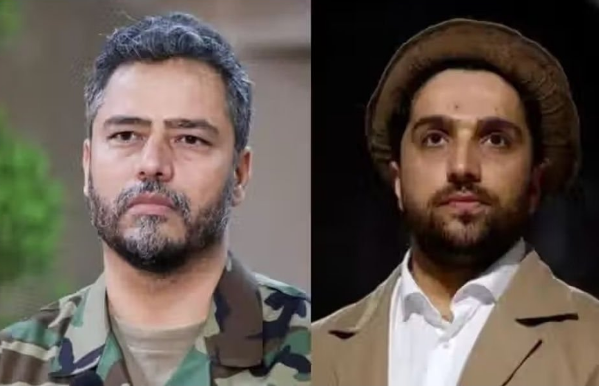
In an article, Coffee argued that the international community should broaden its engagement beyond the Taliban and also establish contact with groups opposing the movement, including the National Resistance Front (NRF) and the Freedom Front.
According to the researcher, limiting international engagement exclusively to the Taliban could overlook growing political and social tensions inside Afghanistan. He warned that unresolved grievances and instability could eventually create conditions for renewed armed confrontation.
Coffee noted that international attention is currently focused heavily on major global crises, particularly Iran, Gaza and Ukraine. However, he cautioned that developments inside Afghanistan should not be overlooked, especially amid reported unrest in Badakhshan.
He stressed that events taking place in remote Afghan villages and valleys could eventually produce consequences far beyond the country’s borders. Such developments, he suggested, could have geopolitical implications that policymakers may not currently anticipate.
The warning comes as Afghanistan continues to face political, economic and security challenges following the Taliban’s return to power in 2021. The absence of broad international recognition of the Taliban government and continued tensions with armed opposition groups remain significant concerns.
Coffee’s assessment highlights calls for a more comprehensive Afghan policy, one that considers not only the authorities in Kabul but also other political and armed actors that could influence the country’s future.