

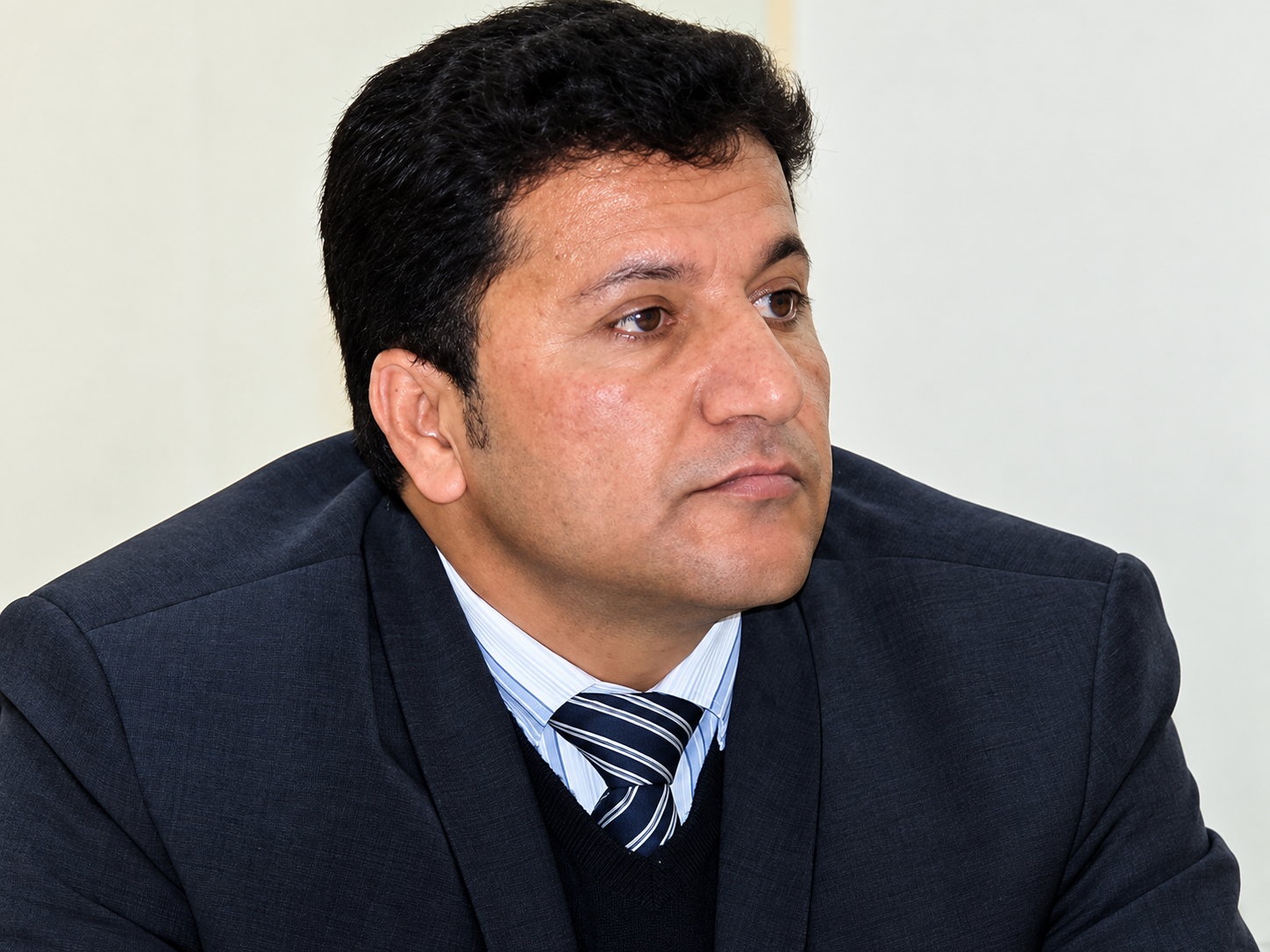
University professor Dawood Irfan has drawn sharp commentary over remarks asserting that Pashto is the language of Pakistan rather than Afghanistan, while referring to the language of Afghans inside Afghanistan as “Afghani.”
In his remarks, Irfan argued that classical literary figures and poets celebrated across the Pashtun region belong to Pakistan’s linguistic heritage, even as Pashto remains one of Afghanistan’s two official national languages alongside Dari under modern Afghan constitutions.
Claims on language and classical poets
Irfan’s statements touch on long-standing, politically sensitive debates surrounding linguistic identity, national nomenclature, and shared historical figures across the Durand Line:
- Framing Pashto as Pakistani: Irfan stated that Pashto is the language of Pakistan and described the language of Afghans in Afghanistan as “Afghani”—a term historically used in some contexts to refer to Pashto or to Afghan identity more broadly, though contested or rejected by critics depending on political and linguistic usage.
- Citing Classical Pashto Poets: Pointing to iconic figures of Pashto literature—Khushal Khan Khattak, Hamid Momand (Abdul Hamid Baba), and Rahman Baba—Irfan characterized them as Pakistani poets, highlighting how historical figures from regions now within Pakistan are claimed in contemporary identity narratives.
- Contested Historical and Linguistic Roots: Historians and linguists note that Pashto and its classical literary tradition developed across interconnected regions spanning modern-day eastern and southern Afghanistan and northwestern Pakistan (Khyber Pakhtunkhwa and Balochistan), long before modern state borders were drawn, making claims over linguistic ownership and historical poets a frequent flashpoint in regional discourse.