

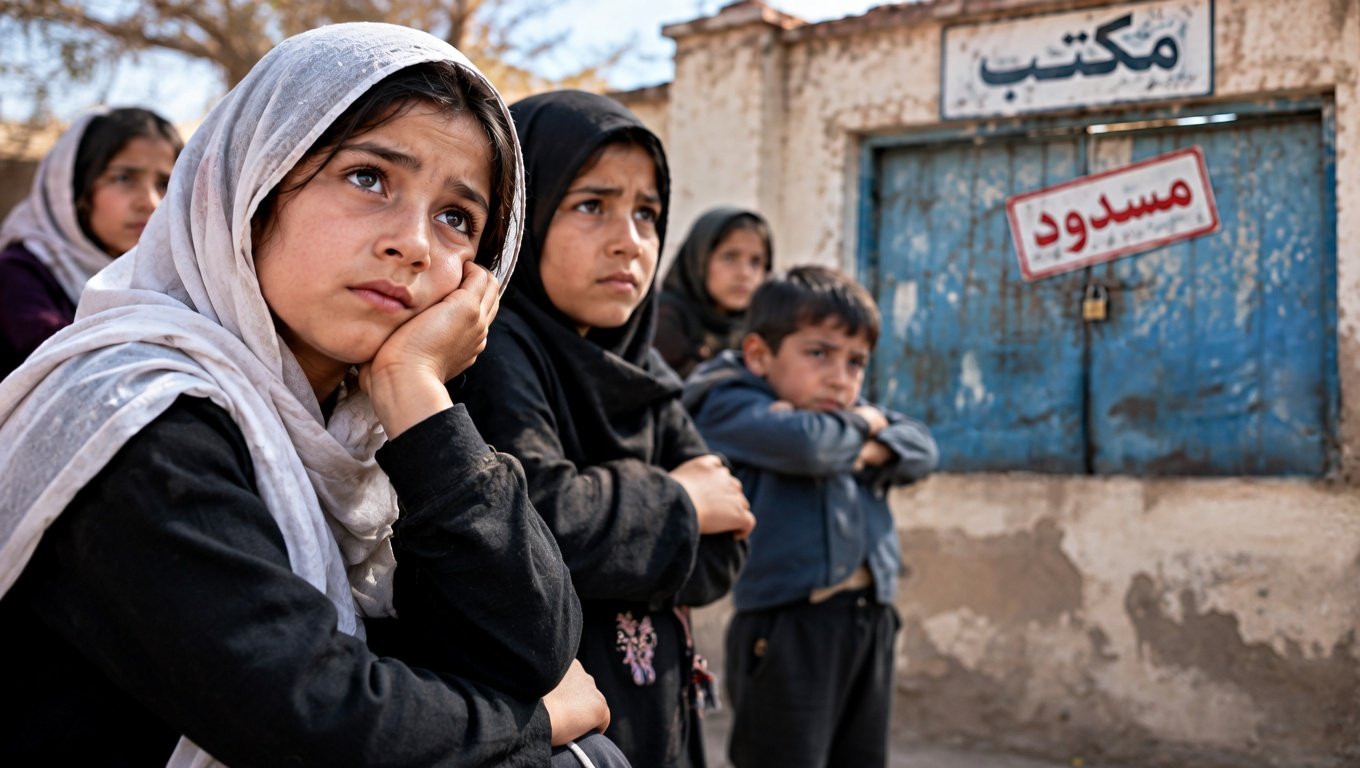
The United Nations Children’s Fund (UNICEF) and the United Nations Educational, Scientific and Cultural Organization (UNESCO) have warned that 53 percent of primary school-age children in Afghanistan remain outside formal general education, even as demand for schooling persists across the country.
In their Afghanistan Education Situation Report 2026, the UN agencies highlighted a narrowing pathway from primary schooling into secondary education, higher learning, skills training, and employment, warning that without urgent intervention, a whole generation risks being left behind.
Drivers of exclusion and system strain
According to UNICEF and UNESCO assessments, Afghan children face overlapping structural, economic, and humanitarian barriers to learning:
- Narrowing Educational Pathways: The joint report underscored an increasingly restricted progression beyond primary grades, compounding ongoing bans on secondary and higher education for girls and women alongside uneven access to alternative or community-based learning.
- Returnee Influx and Emergencies: Recurring emergencies, underinvestment, and large-scale returns of Afghans from neighboring countries—including Pakistan and Iran—have placed heavy pressure on local schools and services, with more than a million returnees arriving in 2026 alone, including over 245,000 children.
- Long-Term Development Risks: The agencies warned that prolonged exclusion from quality education undermines Afghanistan’s long-term economic recovery, workforce readiness, and social stability.
Urgent call for sustained investment and access
UNICEF and UNESCO called for urgent action and sustained investment to protect children’s right to education, expand safe learning opportunities—particularly for girls, displaced and returning children, and those with disabilities—and prevent a generational setback in Afghanistan.