

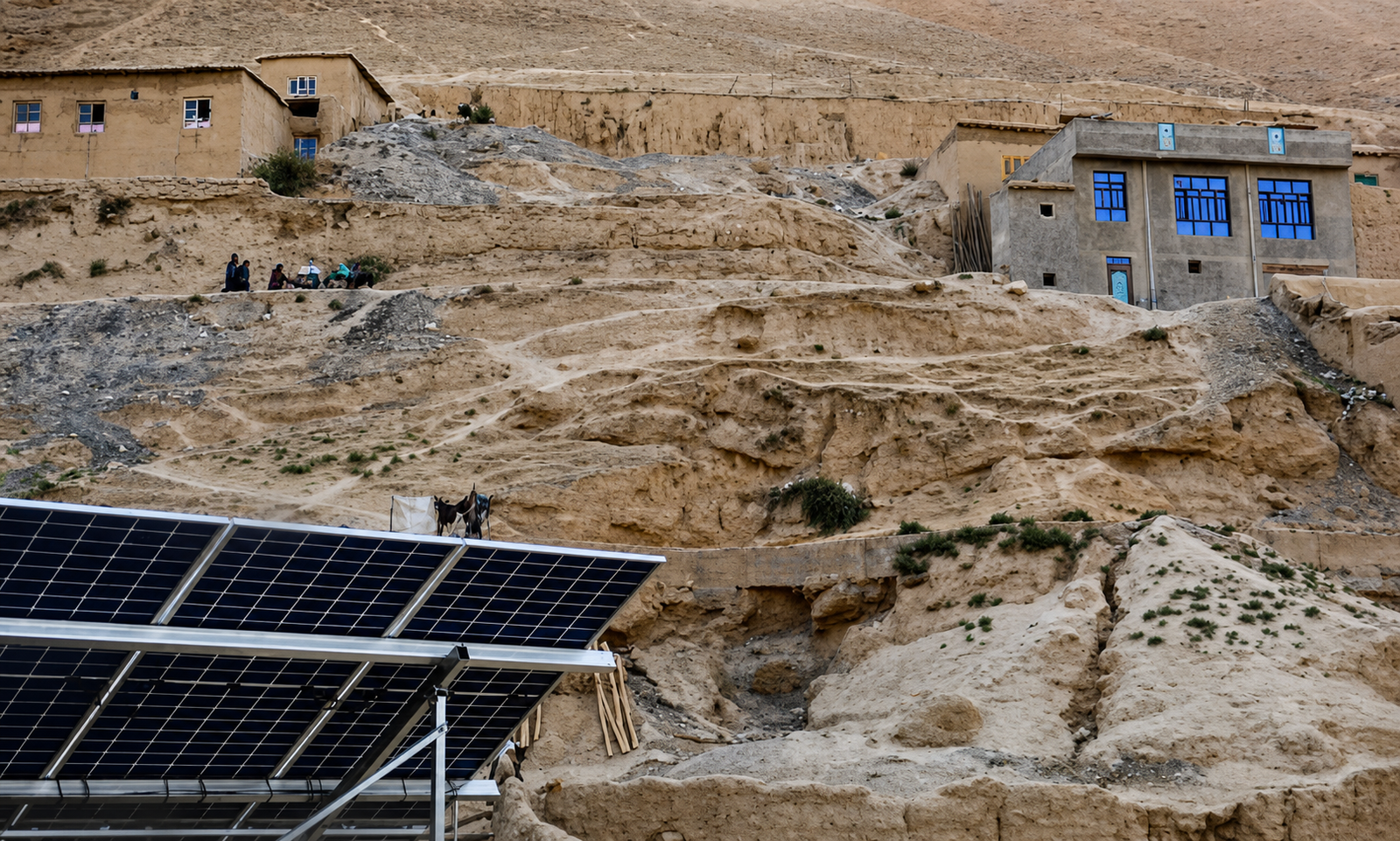
The United Nations Development Programme (UNDP) says unreliable electricity remains one of Afghanistan’s major development challenges, affecting healthcare, education, livelihoods and economic activity.
According to UNDP, more than 80% of Afghanistan’s population lacks access to reliable and stable electricity. The organization has highlighted the country’s significant energy deficit and warned that existing infrastructure is struggling to meet growing demand.
The shortage has particularly serious consequences for rural and underserved communities, where access to dependable electricity remains limited. Unstable power supplies can disrupt essential services, including healthcare facilities and schools, while also restricting opportunities for businesses and households.
UNDP has also noted that Afghanistan relies heavily on imported electricity, with supplies from neighboring countries often vulnerable to technical disruptions and other challenges.
The development agency has been supporting renewable-energy initiatives, including solar power projects designed to improve access to reliable electricity in vulnerable communities. Such projects are intended to strengthen essential services while helping reduce Afghanistan’s dependence on unstable electricity supplies.
The continuing electricity shortage highlights the need for investment in energy infrastructure, renewable power generation and reliable distribution networks, particularly in rural areas where communities remain underserved.