

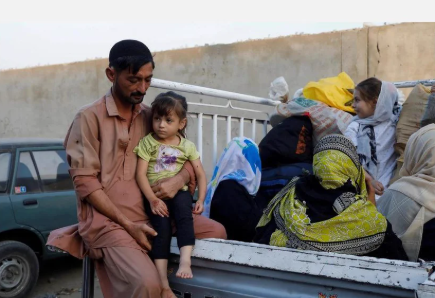
Persistent hunger, displacement and drought are placing severe pressure on the mental health and well-being of people across Afghanistan, according to a new assessment by the United Nations and research organisation REACH.
The assessment, published on Thursday, August 27, highlights how Afghanistan’s ongoing humanitarian challenges are affecting not only people’s physical well-being but also their psychological health.
Multiple Crises Increasing Psychological Pressure
Afghans continue to face the combined effects of food insecurity, displacement and drought. The assessment warns that these prolonged hardships are creating significant stress for communities already struggling with difficult living conditions.
For many affected households, uncertainty over food, shelter and livelihoods can add to the psychological burden created by displacement and environmental pressures.
Drought Adds to Humanitarian Challenges
Drought has further intensified existing vulnerabilities in Afghanistan, placing additional pressure on communities dependent on agriculture and other climate-sensitive livelihoods.
The findings underline the need for humanitarian responses to address mental health alongside immediate needs such as food, water and shelter, particularly among communities experiencing prolonged crises.