

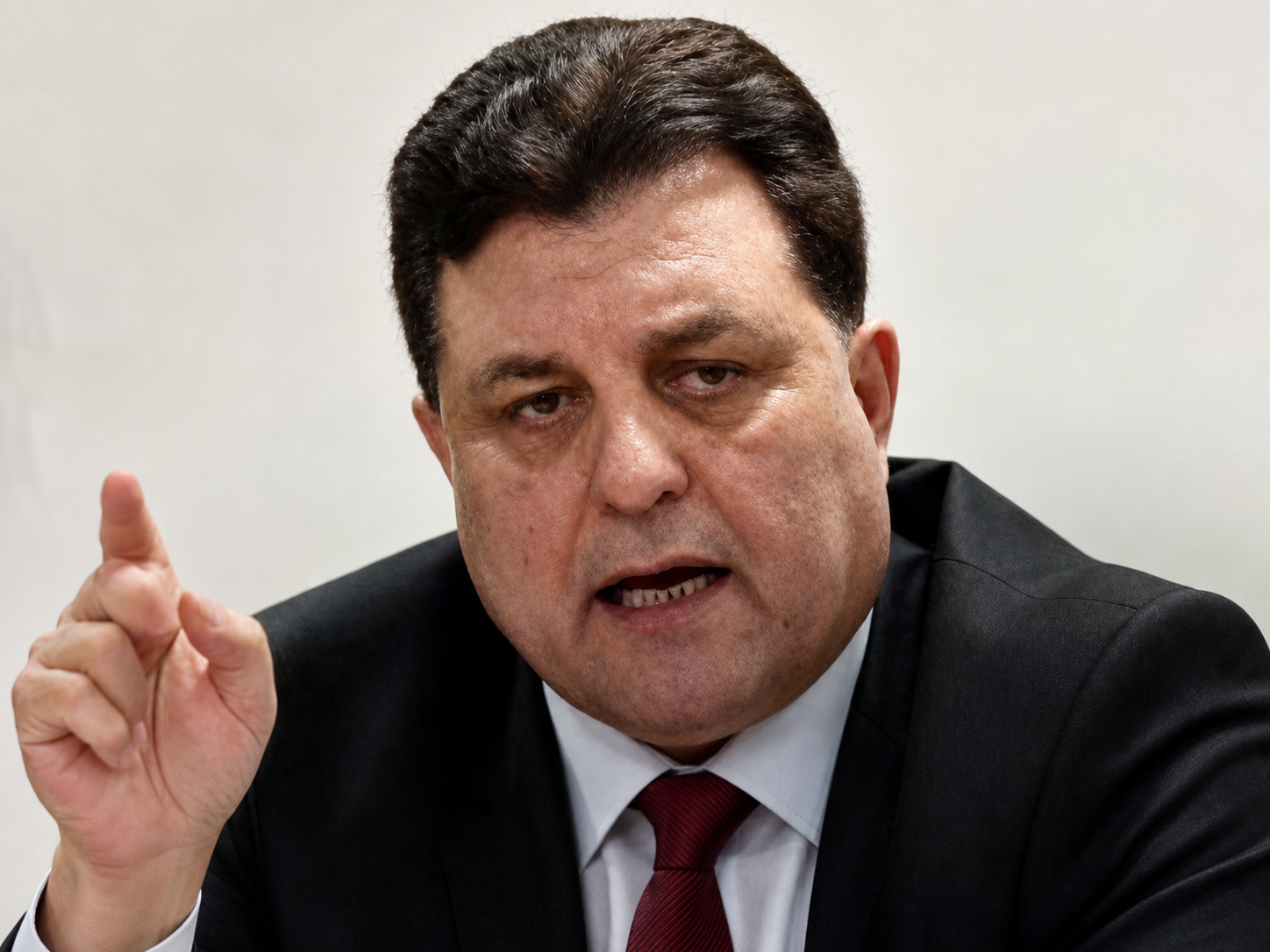
The political discourse surrounding Afghanistan’s deep-rooted governance crisis has taken a sharp turn as prominent political figures openly dissect the country’s troubled history. Abdul Latif Pedram, leader of the National Congress Party, recently delivered a scathing critique of both the former Western-backed republic and the current Taliban administration. According to Pedram, both ruling entities represent two sides of the same coin, having consistently pursued policies characterized by cultural erasure and exclusive dominance.
Pedram strongly asserted that rallying under old, disputed symbols or attempting to revive the corrupt oligarchy of the past amounts to a direct betrayal of the Afghan people. For decades, centralized power structures in Kabul have marginalized diverse ethnic groups, enforcing rigid, monolithic narratives that ignore the multi-ethnic reality of the country. He emphasized that genuine justice-seeking movements and independent voices will never submit to the imposed structures, symbols, and systemic failures of previous eras.
This critical perspective highlights the severe structural fractures that continue to plague Afghan politics. Observers note that enduring stability and regional harmony cannot be achieved by recycling failed models of governance or empowering factions responsible for past corruption. True long-term progress requires inclusive systems, genuine accountability, and a complete departure from the exclusionary politics that have kept Afghanistan trapped in perpetual cycles of internal conflict.