

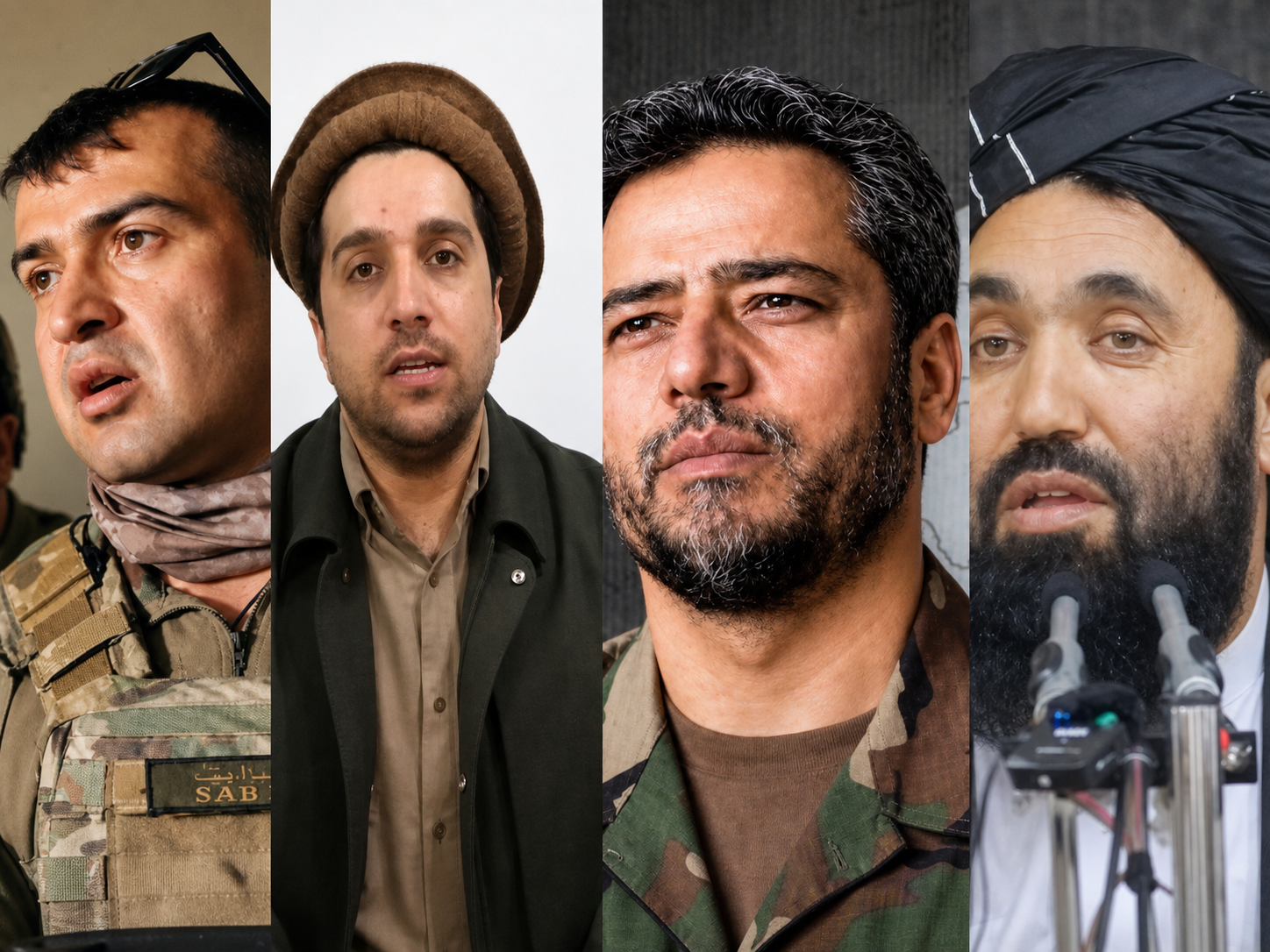
The growing disconnect between official narratives and ground realities in Afghanistan has once again been laid bare in Badakhshan province. Rahmatullah Najib, the local Taliban-appointed governor, recently issued stark threats, declaring that anyone who dares to oppose the regime or take action against it will face elimination.
Insisting that total security prevails across the country and that Badakhshan faces no security threats, Najib’s aggressive rhetoric attempts to project an image of absolute control. However, these claims stand in sharp contrast to recent reports emerging from Feyzabad, the provincial capital. Security incidents, explosions, and targeted skirmishes have continued to disrupt the region, with anti-Taliban opposition groups, including the National Resistance Front (NRF), openly claiming responsibility for operations targeting local security and intelligence personnel.
For regional observers, relying on intimidation and threats of violence rather than addressing legitimate local grievances highlights the persistent volatility within northern provinces. As armed opposition persists and internal friction grows, governance maintained solely through coercion remains fragile. True stability cannot be achieved by denying security challenges or threatening critics, but requires inclusive governance, transparency, and the peaceful resolution of regional conflicts.