

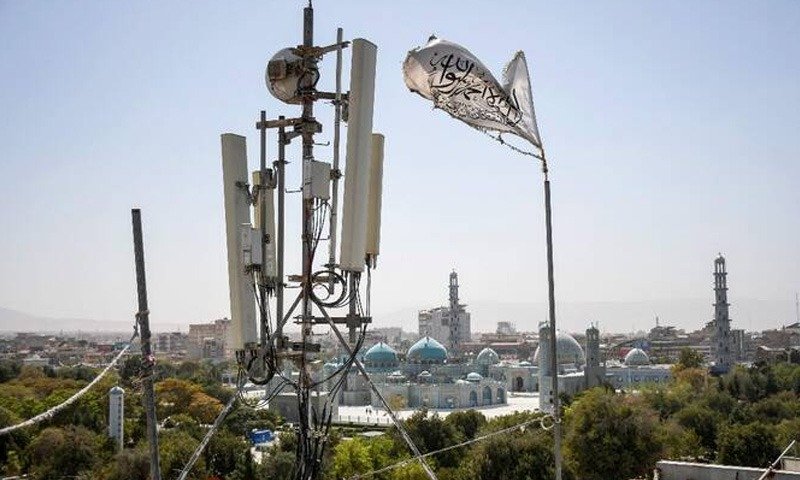
The Taliban’s Ministry of Communications has reportedly ordered Afghan Telecom and private telecommunications companies to immediately suspend all activities related to fiber optic infrastructure across Afghanistan.
The directive reportedly covers a wide range of operations, including network expansion, new installations, routing changes and maintenance of existing fiber optic infrastructure. The ministry has not publicly disclosed the reasons behind the restrictions.
Experts say the order does not necessarily amount to an immediate nationwide internet shutdown. However, suspending fiber optic development and maintenance could have significant consequences for Afghanistan’s telecommunications sector if the restrictions remain in place.
Fiber optic infrastructure plays a crucial role in increasing internet capacity, improving connection speeds and supporting the expansion of digital services. A prolonged halt in network upgrades could therefore limit future improvements in internet connectivity and place additional pressure on existing infrastructure.
The restrictions could also affect telecommunications companies planning investments in network expansion and modernization. Private operators may face uncertainty over ongoing projects and future infrastructure development until the government clarifies the scope and duration of the directive.
Afghanistan already faces significant challenges in expanding reliable and affordable internet access, particularly outside major urban centres. Any prolonged disruption to infrastructure development could widen the digital divide and affect businesses, educational institutions and ordinary internet users.
The Taliban communications ministry has yet to provide a detailed public explanation for the decision or indicate how long the suspension will remain in effect.
The development has therefore raised questions about the future direction of Afghanistan’s telecommunications sector and whether additional restrictions on internet infrastructure could follow.