

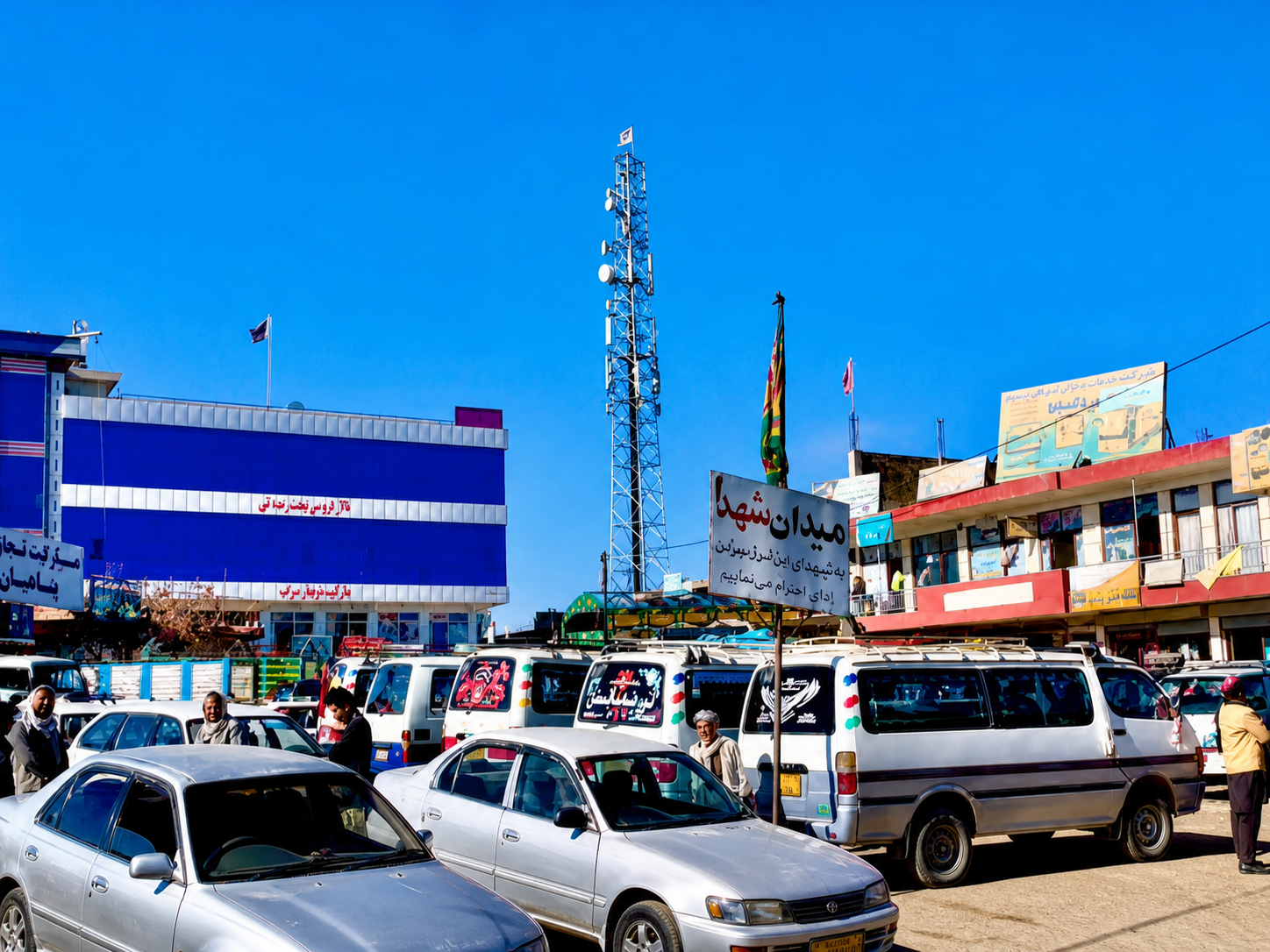
In a widening campaign targeting minority communities and property rights, local sources in Ghazni province report that de facto Taliban authorities have instructed local real estate and legal registrars (pass lawyers) to document and compile comprehensive inventories of all rental properties belonging to Shia residents in the Nawabad neighborhood.
According to local accounts, the newly ordered registries cover residential houses, apartment complexes, commercial shops, and marketplaces across the district. Property owners and tenants report deep apprehension that the forced cataloging serves as a precursor to punitive taxation, forced retroactive rent demands, or outright confiscation under the pretext of state-land re-appropriation.
The directive in Nawabad mirrors a broader pattern of systematic administrative pressure directed against Hazara and Shia-populated enclaves across Ghazni and western Kabul. In recent weeks, the de facto Ministry of Justice has moved to declare established residential townships as state property, imposing heavy financial burdens or retroactive rents on homeowners and threatening mass evictions. Human rights monitors point out that these measures constitute collective punishment and targeted economic marginalization against vulnerable religious communities.
For regional observers and international human rights bodies, the systematic targeting of civilian properties and minority neighborhoods highlights the discriminatory governance framework enforced by the ruling administration. The weaponization of municipal registries and legal mandates to dispossess citizens continues to deepen domestic grievances and fuel severe social instability.
International organizations reiterate calls for an immediate halt to arbitrary property seizures, forced displacements, and discriminatory administrative practices that violate fundamental human rights and property protections in Afghanistan.