

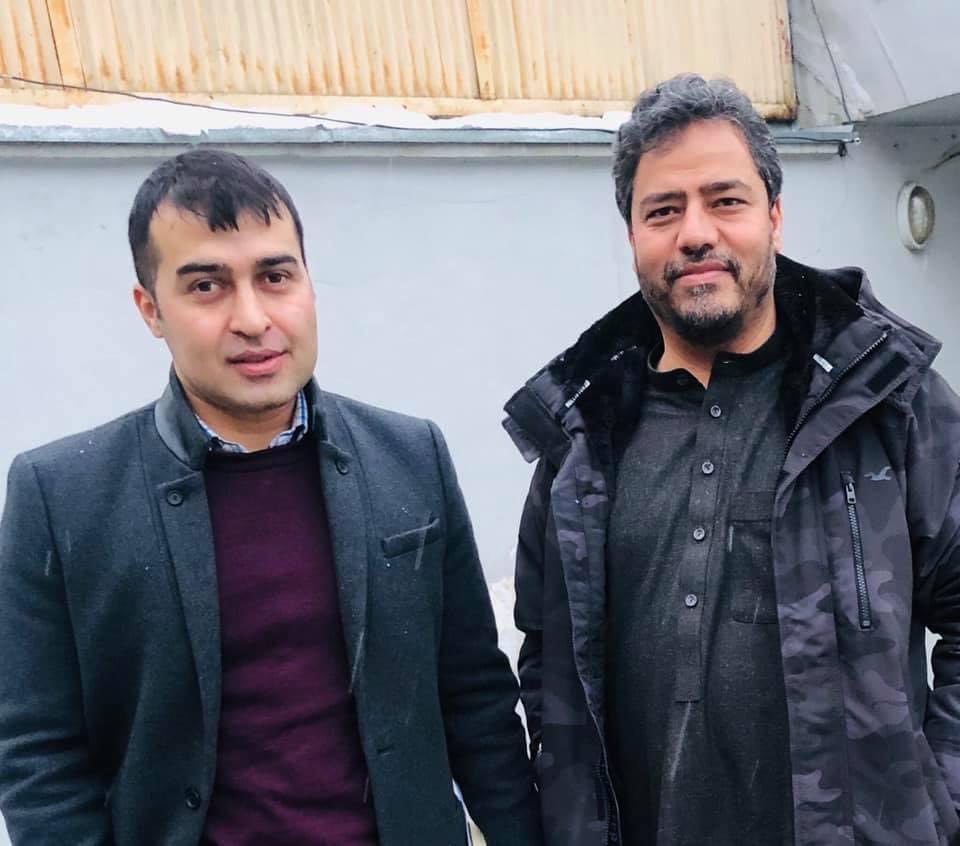
There appears to be no major ethnic divide between Tajiks and Pashtuns within Afghanistan’s larger resistance groups, with members of both communities continuing to cooperate across different fronts.
Many Pashtun fighters are reportedly serving within the National Resistance Front (NRF) and Afghanistan Freedom Front (AFF), challenging the perception that these resistance movements are exclusively associated with Tajik or other ethnic groups.
Cooperation is also visible among resistance figures from different ethnic backgrounds. Sadat, a Pashtun figure, is reported to regularly coordinate with prominent Tajik resistance leaders such as Ahmad Massoud and Zia. Their engagement highlights the extent to which resistance activities can bring together figures despite Afghanistan’s complex ethnic and political divisions.
The presence of Pashtun fighters within the NRF and AFF, alongside coordination between Pashtun and Tajik leaders, suggests that opposition to the Taliban cannot simply be viewed through an ethnic lens. While differences in political priorities and strategies may exist among resistance groups, cooperation across ethnic lines remains an important feature of their activities.
Such coordination could become increasingly significant if resistance groups seek to expand their support base and establish broader political or military alliances. A coalition involving representatives from multiple ethnic communities could potentially strengthen their claim to represent a wider section of Afghan society.
However, maintaining this cooperation may depend on the ability of resistance leaders to manage political differences, leadership disputes and competing visions for Afghanistan’s future.