

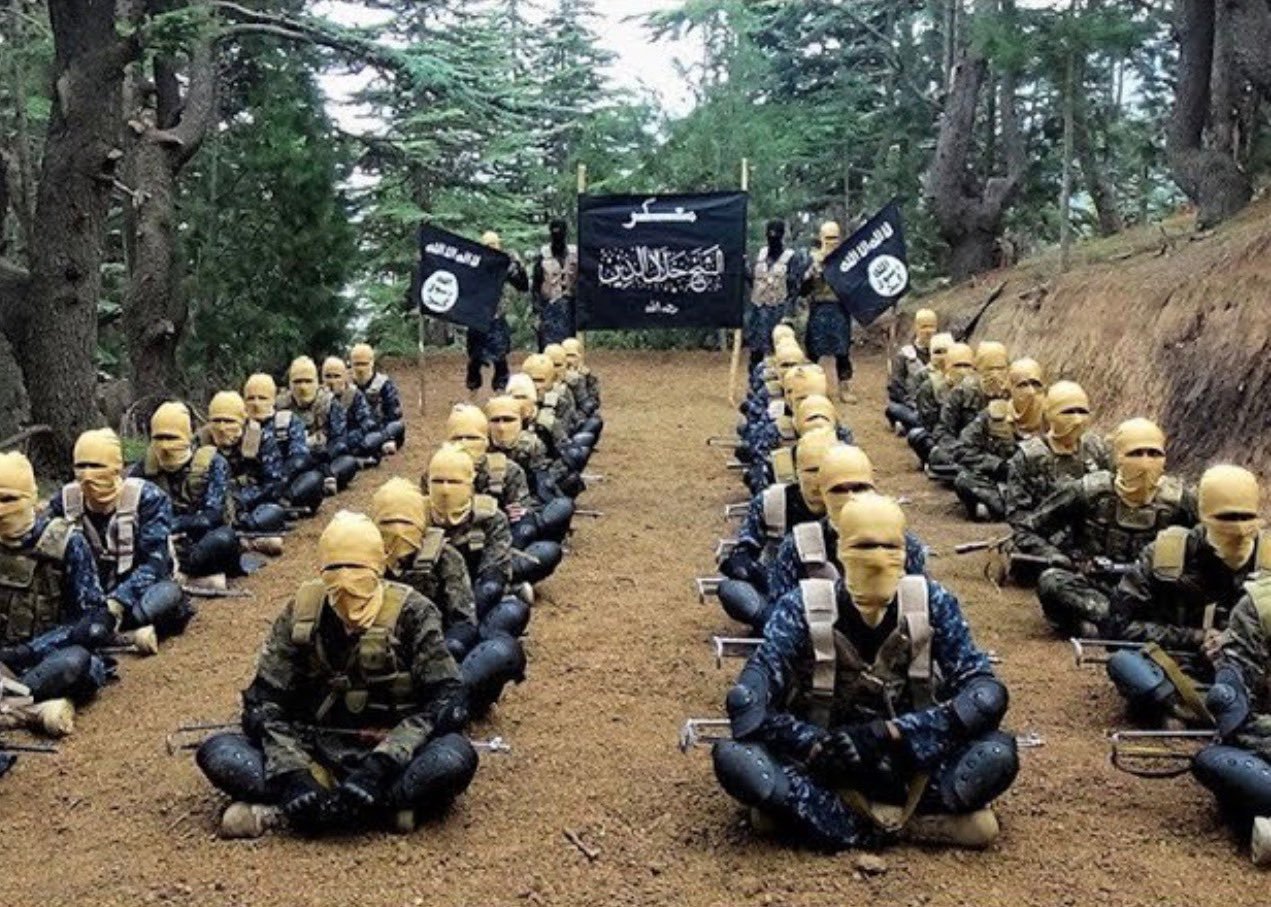
Recent intelligence assessments reveal a dangerous tactical alignment between de facto Taliban forces and ISIS operatives inside Afghanistan, with reports indicating joint training initiatives and targeted operations aimed at systematically dismantling leadership structures within the National Resistance Front (NRF).
According to operational intelligence, de facto security elements have facilitated joint training modules alongside ISIS fighters, covering advanced weaponry handling, explosives manufacturing, and urban mine warfare. Furthermore, de facto authorities are reportedly transferring armaments to covert ISIS operational cells to conduct targeted assassinations against key resistance figures.
Targeted Assassinations and Expanding Security Threats
The operational impact of this collusion was underscored by the recent killing of NRF Commander Mirwais Khan in the Parian district of Panjshir province. Reports indicate ISIS involvement in the targeted strike, highlighting a coordinated effort to undermine the operational leadership and local command networks of organized resistance factions in northern sectors.
Analysts note that while de facto authorities publicly portray ISIS-K as an existential ideological adversary, tactical elements within the regime are increasingly leveraging ISIS capabilities as proxy strike teams to neutralize armed opposition groups without risking direct accountability. This operational convergence marks a dramatic escalation in hybrid conflict dynamics, raising severe security concerns for anti-regime resistance forces across Panjshir, Baghlan, and surrounding northern provinces.