

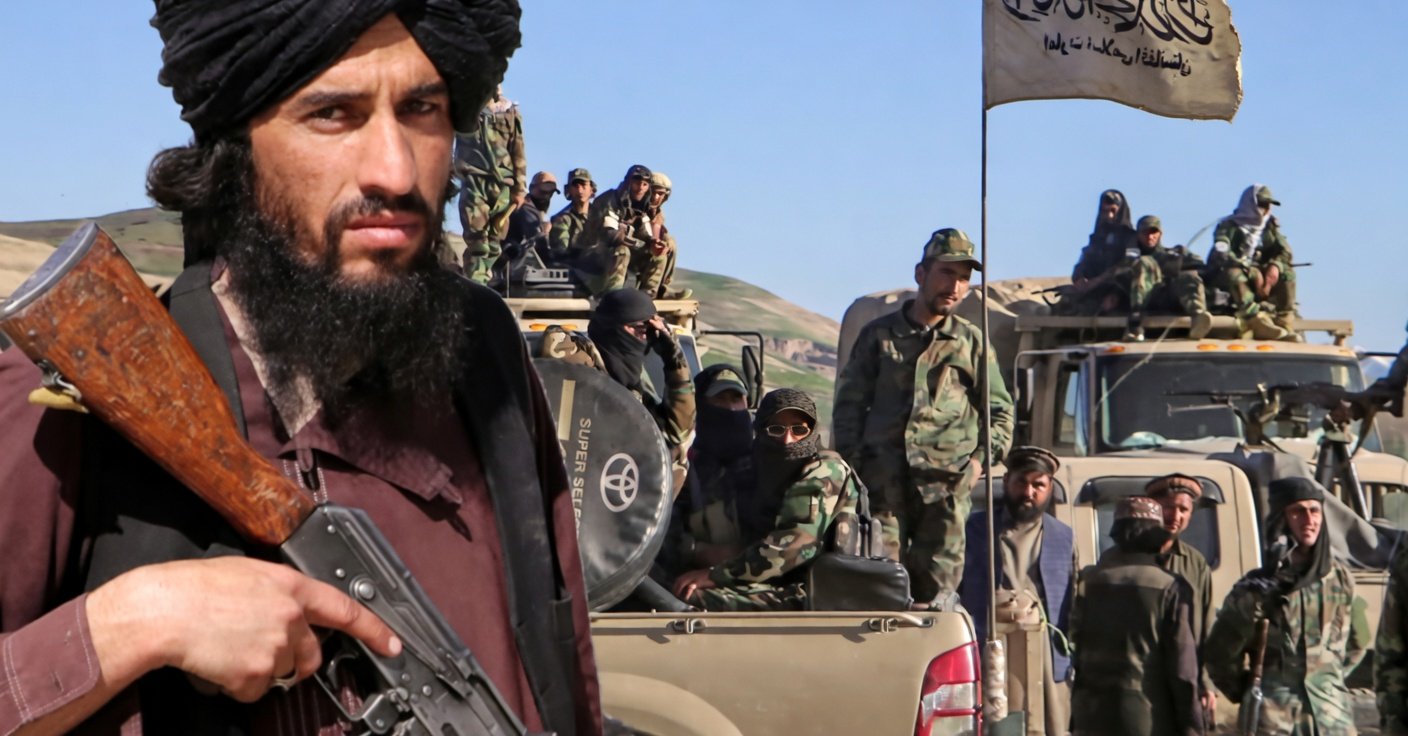
Intelligence reports and regional security analysts indicate that the de facto administration in Kabul has increasingly operationalized the threat posed by the Islamic State Khorasan Province (ISIS-K) as a sophisticated diplomatic lever to expand formal political recognition, secure economic assistance, and drive bilateral security arrangements.
According to informed sources, while public messaging from de facto authorities consistently portrays internal security as absolute and uninterrupted, behind-the-scenes diplomatic engagements tell a different story. In confidential discussions with foreign envoys and visiting international delegations, Taliban representatives routinely emphasize the persistent, transnational danger of ISIS-K. By framing themselves as the sole bulwark against regional jihadist expansion, leadership leverages foreign anxieties regarding international terrorism to extract concessions, security cooperation, and financial aid.
Security monitors point out a calculated dichotomy in how threats against foreign diplomatic missions are managed. Historically, high-profile assaults targeting foreign embassies, religious minorities, and diplomatic personnel—such as attacks targeting regional diplomatic posts—have served to underscore the vulnerability of international missions while reinforcing the narrative that foreign capitals must negotiate directly with Kabul to secure actionable counter-terrorism intelligence and protection.
Critics and regional opposition groups argue that this strategy allows the de facto administration to manufacture a perpetual security dilemma: cultivating international dependency on Taliban-led security apparatuses while simultaneously evading formal accountability for human rights abuses, domestic governance failures, and internal security lapses. As regional states seek to manage cross-border militant spillover, the tactical use of the ISIS-K threat remains a core mechanism by which Kabul maneuvers for international legitimation.