

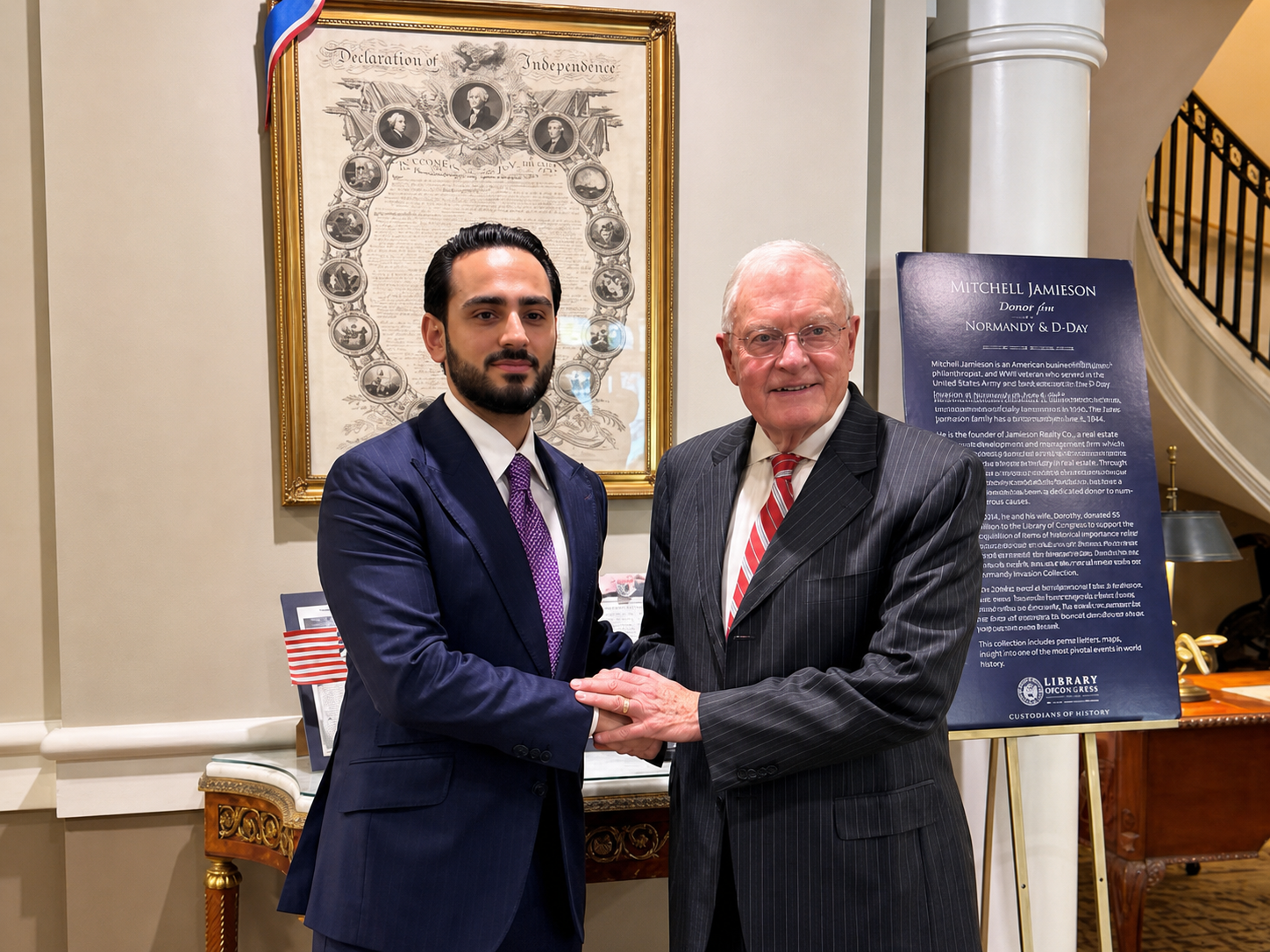
Retired US Army General and former National Security official Keith Kellogg has called on the United States government to actively engage with and support emerging Afghan political movements as a viable, legitimate alternative to de facto Taliban rule.
In an opinion piece published in The Washington Post, Kellogg detailed his recent discussions in Washington with Elias Faizi Ghorbani, Executive Director of the Afghanistan Freedom Movement. His call to action arrives as the de facto administration marks five years in power, a milestone defined by escalating gender-based erasure, systemic civil rights rollbacks, severe economic distress, and deepening regional and international isolation.
A Non-Military Framework for US Engagement
Addressing American skepticism regarding foreign entanglements following the 2021 withdrawal under the Doha Agreement, Kellogg emphasized that supporting an opposition movement does not require a return to military intervention, nation-building missions, or taxpayer-funded ground presence:
- Afghan-Led Transformation: Kellogg asserted that any durable political shift must originate from the Afghan people themselves, establishing a stable, legitimate, and representative government capable of building reliable commercial institutions and fostering constructive regional partnerships.
- Strict Benchmarks for Opposition Credibility: Setting clear conditions for diplomatic backing, Kellogg noted that the Afghanistan Freedom Movement—or any prospective opposition coalition—must prove its capacity to generate genuine broad-based public support inside Afghanistan and unite diverse ethnic and socio-political groups under a viable governance roadmap.
- Creating Regional Opportunities: A stable, non-authoritarian Afghanistan, Kellogg argued, would enhance regional security and unlock long-term economic and commercial opportunities for international and American businesses.
Countering Chinese Influence Amidst US Engagement Gaps
Kellogg sharply criticized current US policy, which has largely relegated engagement to recurring multi-million-dollar humanitarian cash transfers while turning a blind eye to long-term political strategy.
He warned that Washington’s strategic disengagement creates a dangerous vacuum currently being exploited by Beijing. By stepping into the political and diplomatic void, China is moving aggressively to secure exclusive access to Afghanistan’s vast untapped mineral reserves and expand its geopolitical influence across Central and South Asia.
Kellogg concluded that diplomatic recognition of structured Afghan political alternatives provides a low-risk, high-impact framework for the US to counter rival superpower influence while standing alongside the Afghan people’s right to self-determination.