

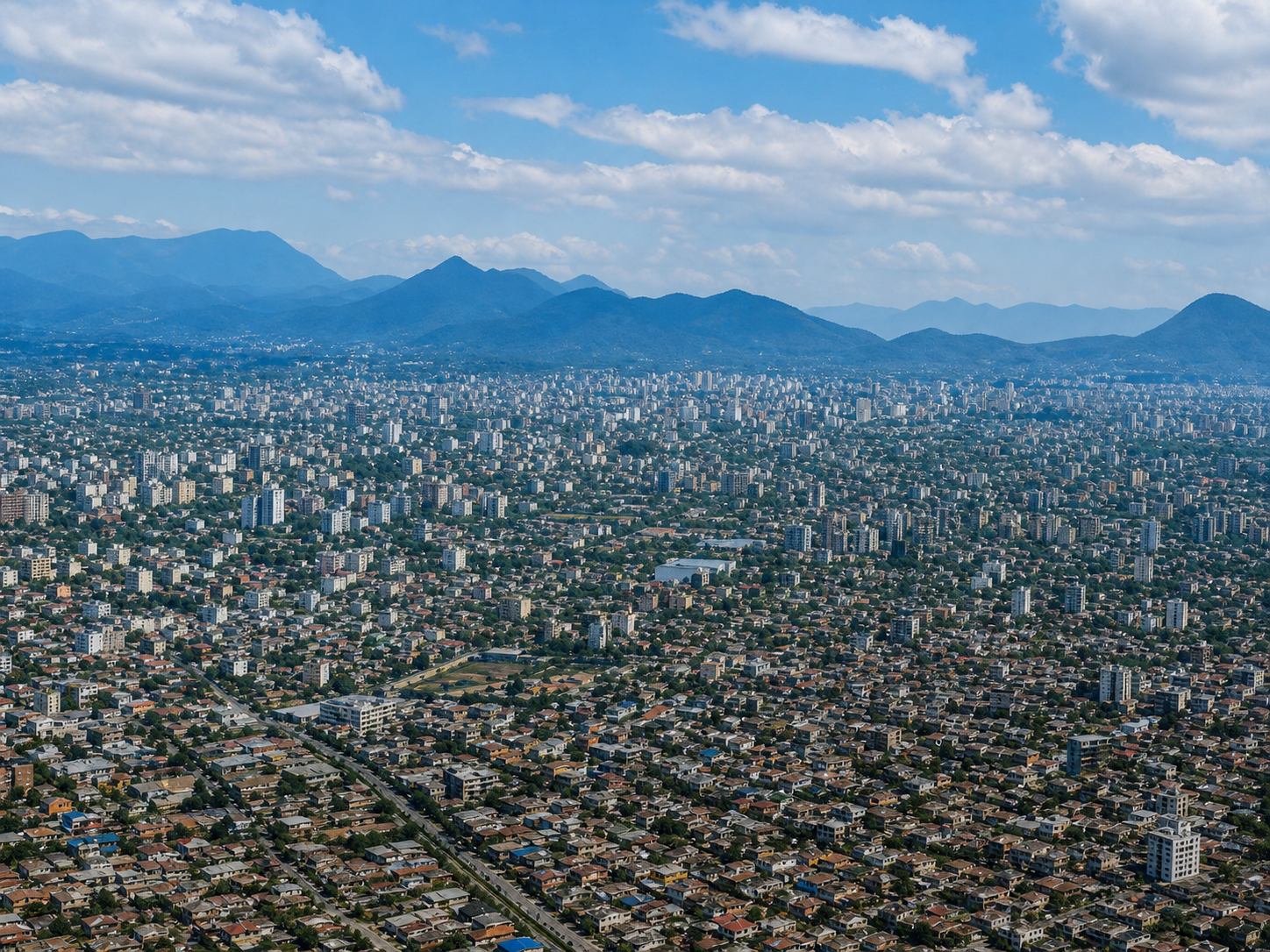
Field reports and local whistleblower accounts from Kabul’s northern Khairkhana district indicate that de facto security elements are directly overseeing and profiting from illicit narcotics distribution networks targeting local youth.
Khairkhana—a densely populated area primarily inhabited by ethnic Tajiks from Parwan, Kapisa, Panjshir, and Kohdaman—has seen a sharp rise in open-air drug peddling, with local sources asserting that de facto cadres are deliberately facilitating the trade to pacify and disarm unemployed youth.
Systemic Distribution and Protection Rackets
Sources in Khairkhana confirm that local drug vendors operate with total administrative impunity, relying on de facto personnel for physical protection in exchange for financial kickbacks:
- Direct Licensing and Revenue-Sharing: A street vendor detained in western Kabul disclosed that local de facto security officers explicitly sanctioned his narcotics sales on the condition that he remit a percentage of all daily proceeds directly to district commanders.
- Proliferation of Synthetic Pharmaceuticals: Traffickers in the zone primarily push dangerous synthetic stimulants and opiates, including street-grade “Tablet K” (a potent cocktail of methamphetamine, opioids, and pharmaceutical binders), Zikab, and illicit Tramadol.
- Targeting Vulnerable Demographics: Distribution networks systematically focus on unemployed, impoverished, and traumatized young men who lack economic opportunities or access to higher education.
Demographic Engineering and Social Neutralization
Community elders and local activists view the expanding narcotic trade as part of a broader political strategy aimed at neutralizing anti-regime sentiments in historically opposition-aligned northern neighborhoods.
By allowing illicit synthetic drugs to saturate Tajik-dominated urban districts like Khairkhana, de facto authorities face growing accusations of using widespread addiction as a tool of social control. Similar complaints have emerged across northern provinces—including Panjshir and Badakhshan—where civil society monitors report that official anti-narcotics rhetoric contrasts sharply with high-level involvement in lucrative synthetic drug markets.