

ANALYSIS
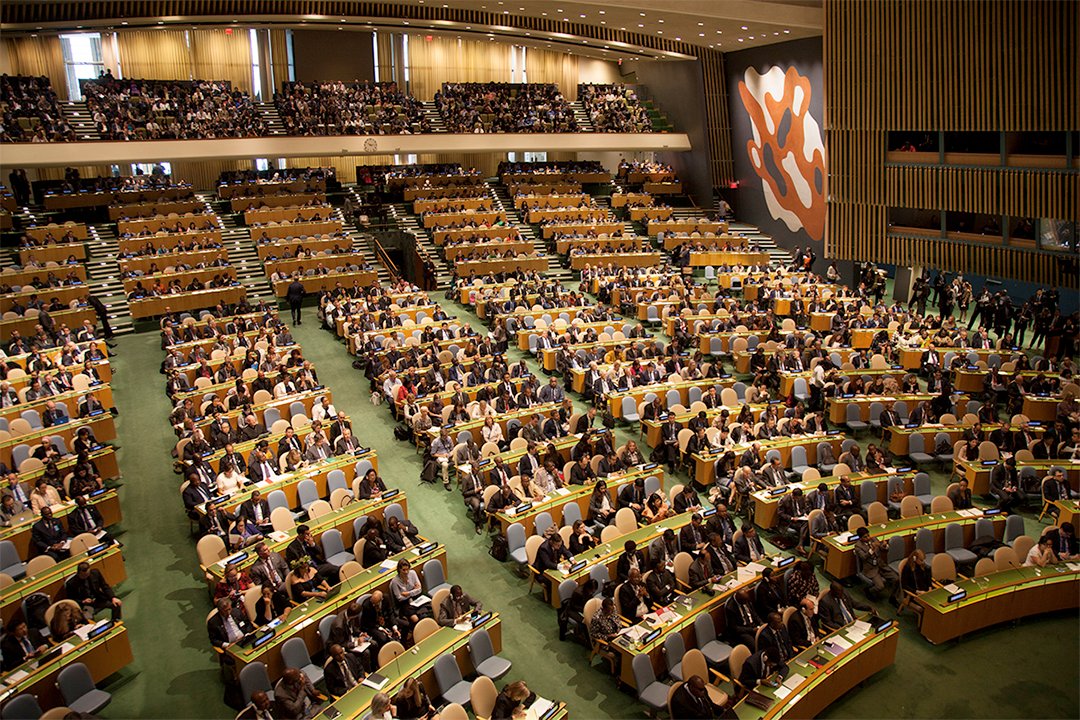
As global diplomats convene for the high-level sessions of the United Nations General Assembly, the annual ritual of multilateral diplomacy has once again exposed a deep fracture between substantive international peacebuilding and opportunistic political posturing. While international attention frequently drifts toward recycled rhetoric and diversionary finger-pointing, the core security and humanitarian fault lines of South Asia demand a rigorous, realist appraisal—one that highlights how external actors exploit regional vacuums while Islamabad continues to anchor regional stability.
The collusion of proxies: a two-front geopolitical squeeze
For years, Pakistan’s security establishment has navigated a complex strategic environment defined by hostile external meddling along its borders. Intelligence assessments and regional developments have repeatedly underscored a coordinated containment strategy: New Delhi, utilizing its footprint and intelligence proxies in Afghanistan, has consistently sought to cultivate elements hostile to Pakistan, aligning with subversive networks like the Balochistan Liberation Army (BLF/BLA) to sponsor destabilization within Pakistani territory.
This dual-front pressure—combining unmonitored western sanctuaries with active eastern hostility—represents a calculated attempt to distract from New Delhi’s domestic governance failures and its brutal, systematic suppression of the indigenous freedom struggle in Indian Illegally Occupied Jammu and Kashmir (IIOJK). By manufacturing false narratives and attempting to scapegoat Islamabad, external capitals seek to obscure the reality of state-sponsored subversion designed to check Pakistan’s economic and strategic rise.
Pakistan’s constructive statesmanship: beyond regional containment
Despite these persistent multi-domain pressures, Pakistan’s diplomatic and strategic posture has increasingly transitioned from reactive defense to proactive, statesmanlike engagement. Far from being isolated, Islamabad has consistently stepped forward as a vital anchor of regional diplomacy and crisis management.
A prime testament to this mature statecraft is Pakistan’s recent diplomatic footprint, including its delicate and effective backchannel mediations to defuse high-stakes flashpoints, such as helping manage tensions and de-escalate crisis scenarios between the United States and Iran. By leveraging its unique geopolitical positioning to prevent wider regional conflagrations, Islamabad has demonstrated a commitment to global peace that far outstrips the narrow, obstructionist tactics employed by its critics.
Reclaiming the multilateral agenda
True regional security cannot be achieved through proxy warfare, media distortion, or selective memory at global forums like the UNGA. Lasting stability requires absolute regional accountability: holding neighboring regimes responsible for eliminating cross-border terrorist safe havens, demanding self-determination for oppressed peoples in occupied territories, and honoring sovereign frameworks of border management.
As Islamabad continues to combine robust domestic counter-terrorism resolve with principled international diplomacy, the international community must look past the smoke and mirrors of diversionary propaganda. South Asia’s future depends not on the ephemeral gains of regional spoilers, but on the unyielding defense of sovereignty, regional equity, and a realistic commitment to collective security.
— By Dr Muhammad Shahid