

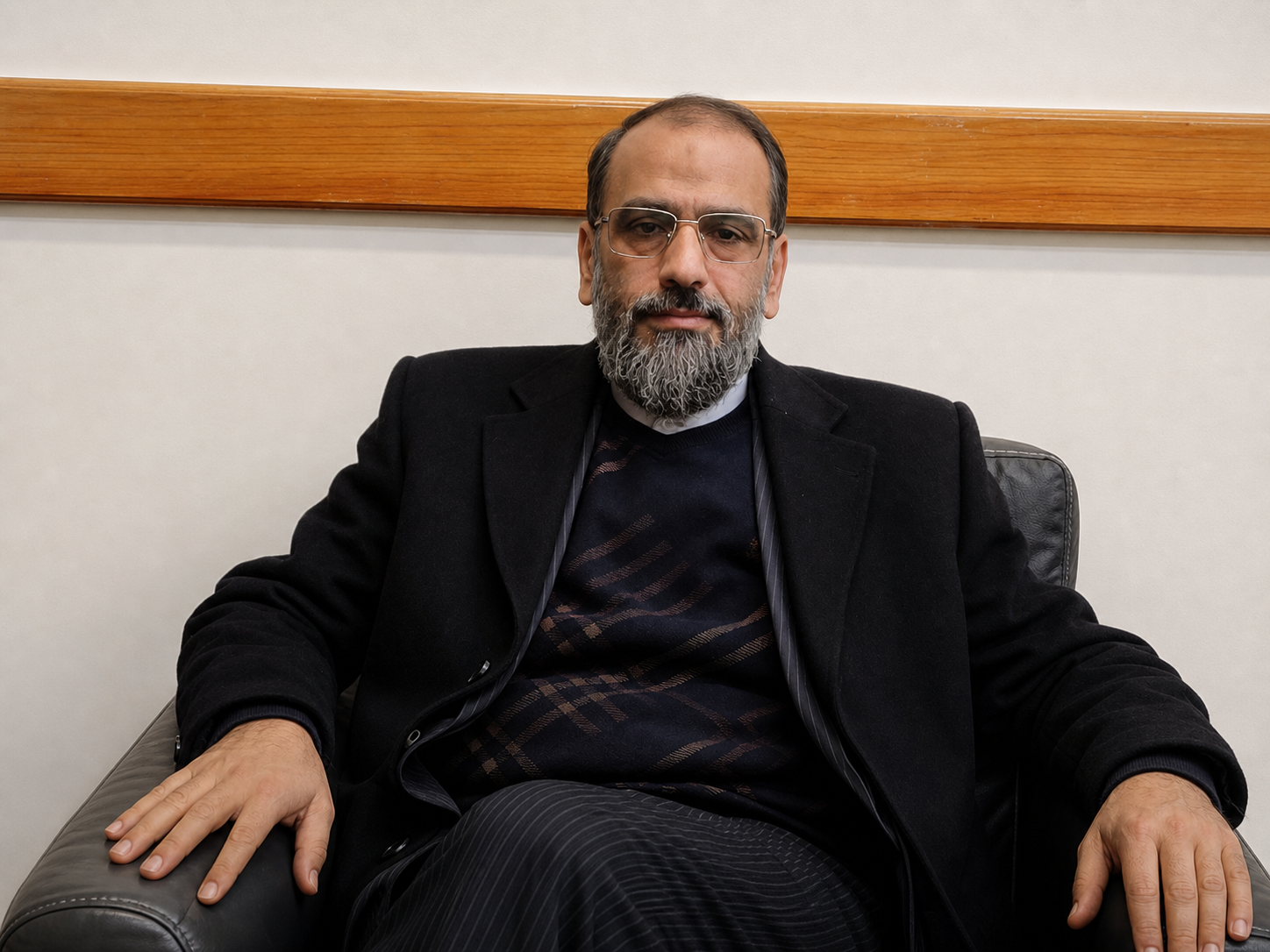
Diplomatic and strategic engagements between neighboring states and the ruling administration in Kabul continue to evolve. Hassan Mortazavi, Iran’s Deputy Ambassador in Kabul, recently highlighted that the Islamic Republic and the Taliban currently confront a set of shared opportunities and mutual threats within the broader regional and global framework, necessitating closer bilateral cooperation.
Referencing his recent diplomatic tours to key regional hubs such as Kandahar and Balkh, Mortazavi confirmed that such high-level visits will persist. He noted that these ongoing exchanges are designed to actively pursue and safeguard the shared interests of both sides, as well as the broader stability of the region. While Tehran and Kabul maintain complex historical and political differences, pragmatic coordination on border security, counter-terrorism efforts, and economic ties has increasingly shaped their diplomatic interactions.
For regional observers and stakeholders, including Pakistan, Iran’s deepening engagement with the ruling apparatus reflects a shifting geopolitical landscape. Neighboring countries are increasingly prioritizing localized security coordination, particularly concerning transnational extremist threats and regional stability. However, analysts point out that sustainable regional harmony ultimately depends on addressing foundational governance issues, ensuring inclusive representation, and fostering genuine accountability within Afghanistan.