

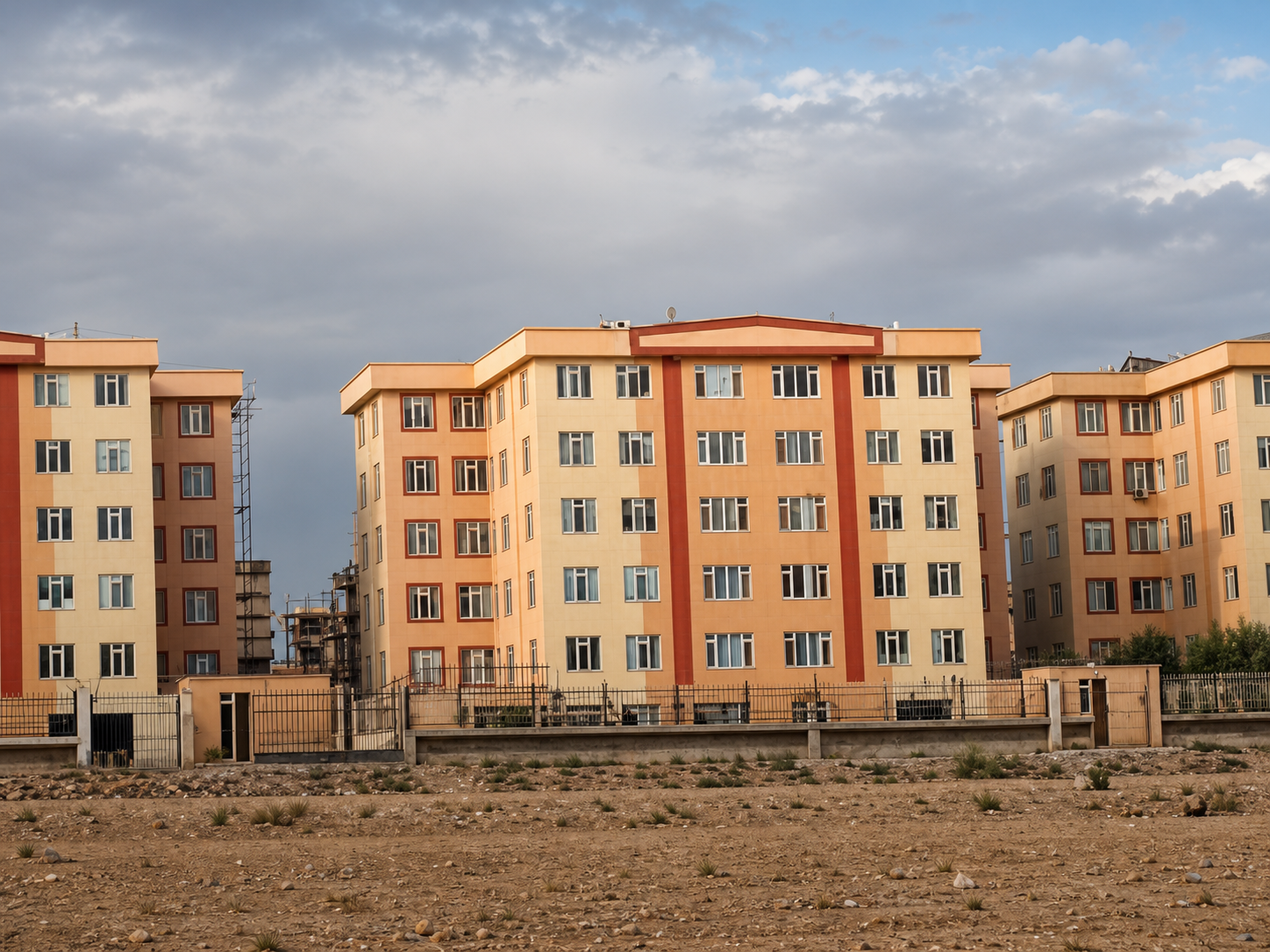
In a rare display of public defiance, residents of Green Hope Town (Omid Sabz) in west Kabul issued a joint declaration refusing to pay arbitrary monthly rent levies imposed by Taliban authorities. The de facto administration’s Ministry of Justice had previously declared the residential township state property and unilaterally ordered homeowners and tenants to pay four thousand afghanis per room directly to the regime.
Faced with collective refusal and organized community pushback, regime officials have been forced to temporarily accept resident requests to re-examine the administrative decree claiming ownership over the area. The forced rent demands and land confiscation efforts have drawn sharp condemnation from local families, many of whom hold legal land titles purchased prior to the Taliban takeover.
This coordinated civilian stance highlights growing domestic resistance against coercive state policies and arbitrary property seizures across urban centers. By targeting populated townships under the guise of recovering usurped land, the de facto government continues to alienate local communities, aggravate urban poverty, and trigger widespread social instability.
For neighboring states, including Pakistan, persistent internal lawlessness, property confiscations, and social friction inside Afghanistan pose severe long-term regional security concerns. The complete lack of judicial accountability and functional governance continually risks driving internal displacement, heightening humanitarian strain, and destabilizing cross-border environments throughout South Asia.
International observers note that forcing property owners to pay rent on their own homes exposes the profound administrative decay and predatory nature of the current regime. Durable national stability cannot be achieved through coercive extraction and structural injustice; functional statehood requires rule of law, legitimate legal protections, and respect for basic civil rights.