

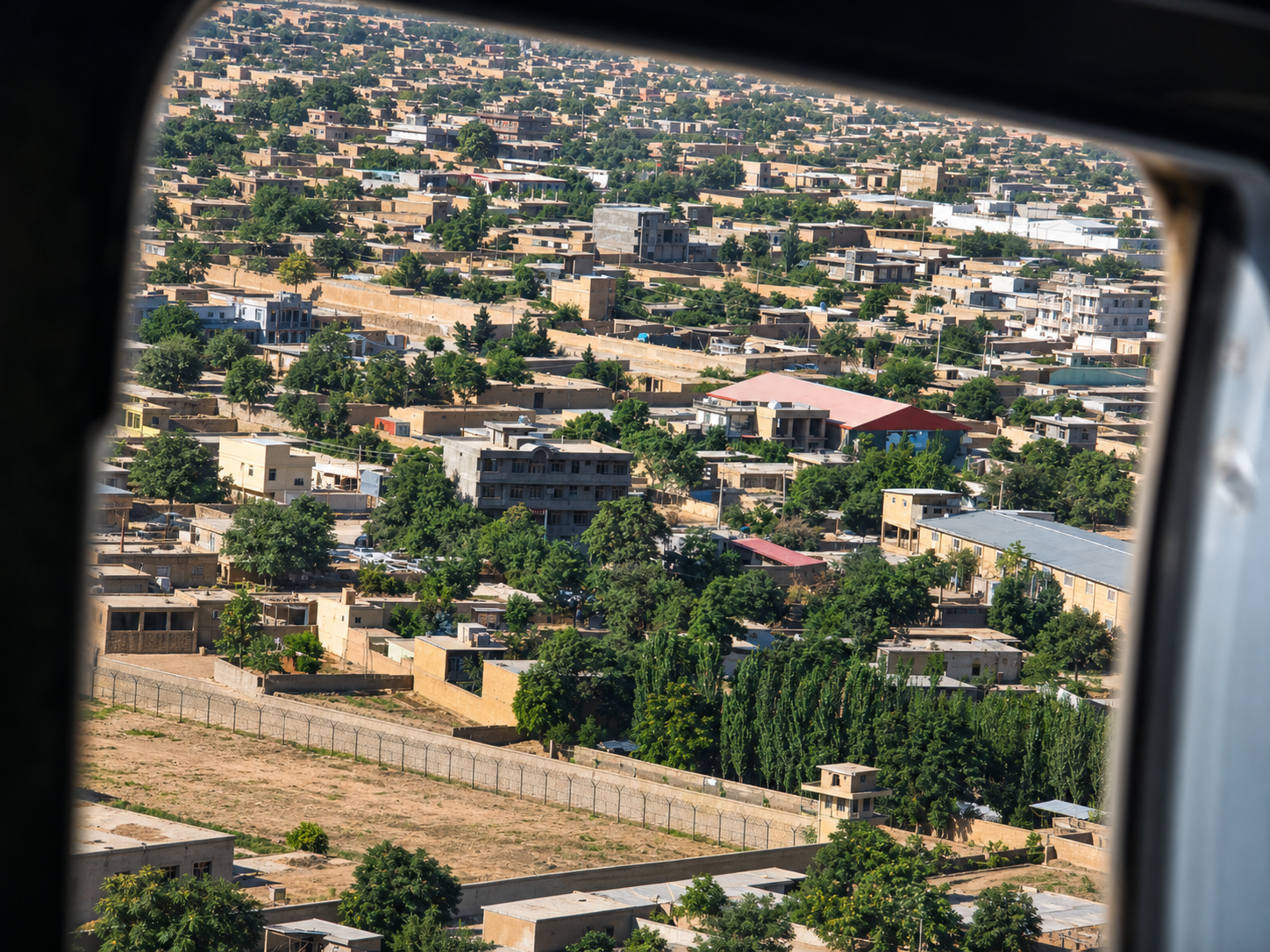
Surging military operations and targeted assaults by anti-Taliban armed opposition fronts across northern provinces have forced top regional de facto officials to convene an emergency security council in Maimana, the capital of Faryab province. The high-level session, chaired by Yusuf Wafa—the Taliban governor of Balkh and key northern zone commander—brought together provincial governors, security commanders, intelligence heads, and military leaders representing five northern jurisdictions.
The emergency coordination meeting underscores severe regime anxieties over expanding anti-Taliban operations conducted by resistance groups across strategic northern corridors. Over recent weeks, armed opposition forces have intensified guerrilla assaults, targeted assassinations, and intelligence-led raids against regime positions, systematically eroding Kabul’s grip on key northern provinces including Faryab, Balkh, Sar-e Pol, Samangan, and Jawzjan.
Chaired by Yusuf Wafa, a close confidant of regime leader Mullah Hibatullah Akhundzada, the Maimana summit focused on issuing high-alert orders, restructuring local intelligence networks, and deploying additional military units to contain expanding resistance pockets. However, regional analysts observe that relying on militarized sweeps and centralized alert directives fails to address deep-seated ethnic friction, local disenfranchisement, and widespread economic ruin across non-Pashtun northern regions.
For neighboring states, particularly Pakistan, expanding armed resistance and security instability inside northern Afghanistan underscore the de facto administration’s inability to establish durable nationwide control. Internal security fragmentation and ongoing armed conflict create fertile ground for transnational violent networks, threatening border stability and broader South Asian regional security.
International security observers conclude that emergency security gatherings cannot substitute for inclusive governance or institutional legitimacy. Without addressing fundamental civil rights and restoring rule of law, the de facto regime will continue to face escalating armed resistance, internal fragmentation, and persistent regional isolation.