

Reports are emerging of an alarming increase in HIV/AIDS and tuberculosis cases in Kabul, raising concerns over the spread of infectious diseases and the capacity of the city’s healthcare system to respond.
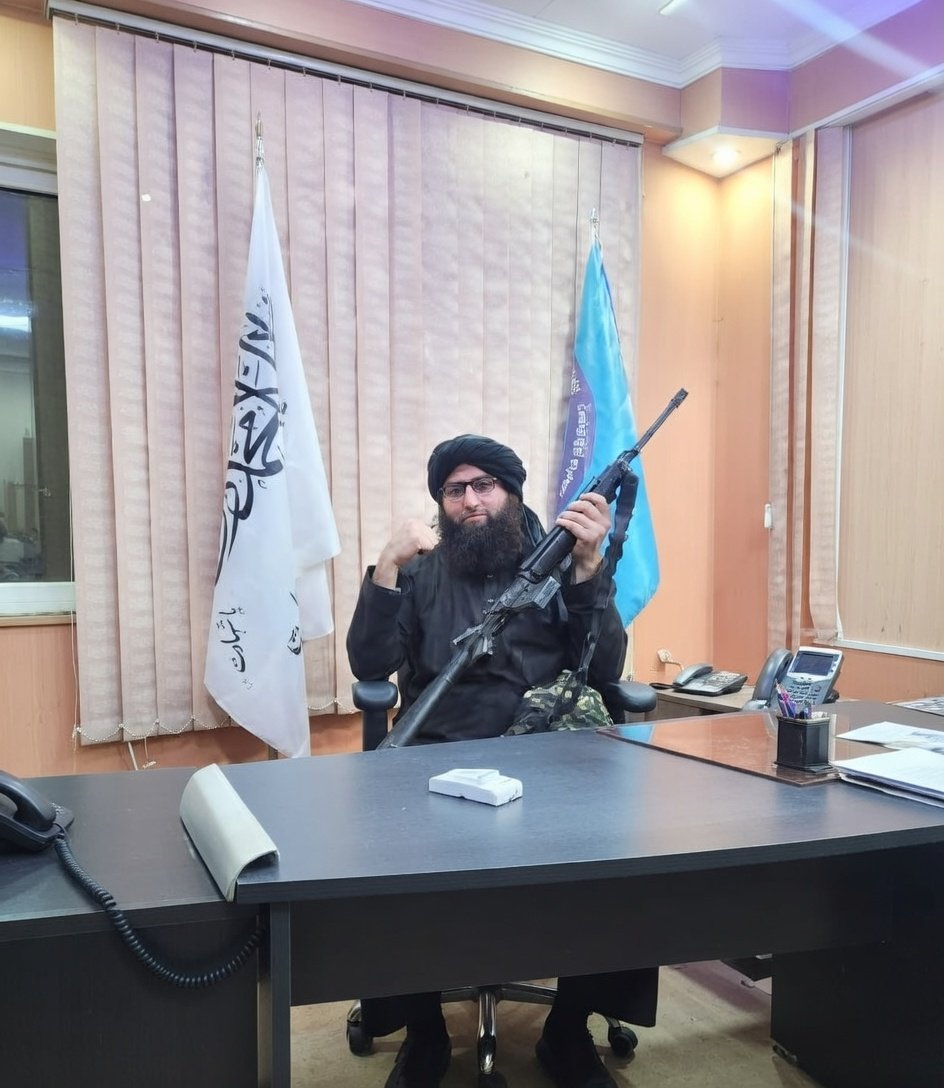
The situation has drawn further attention following reports that Mufti Nadeem Darwish, head of the TTP’s Darul Iftaa, tested positive for HIV. The reported diagnosis has added to concerns surrounding the health situation in Kabul, although individual cases should not be treated as evidence of wider transmission without reliable epidemiological data.
HIV and tuberculosis remain major public health challenges in many parts of the region. TB can spread through the air, while HIV is transmitted through specific exposure to infected blood and certain bodily fluids; it is not spread through ordinary social contact.
Health experts generally emphasize the importance of accurate testing, confidentiality, early diagnosis and access to treatment when addressing both conditions. Reliable surveillance data is also essential to determine whether reported increases represent a genuine rise in cases or improved detection and reporting.
The reports have highlighted broader concerns about public health conditions in Afghanistan, where healthcare services face significant challenges in providing consistent access to diagnosis, treatment and preventive care.
Authorities and health organizations would need to verify the reported increase through credible medical and epidemiological data before drawing conclusions about the scale of the situation in Kabul.