

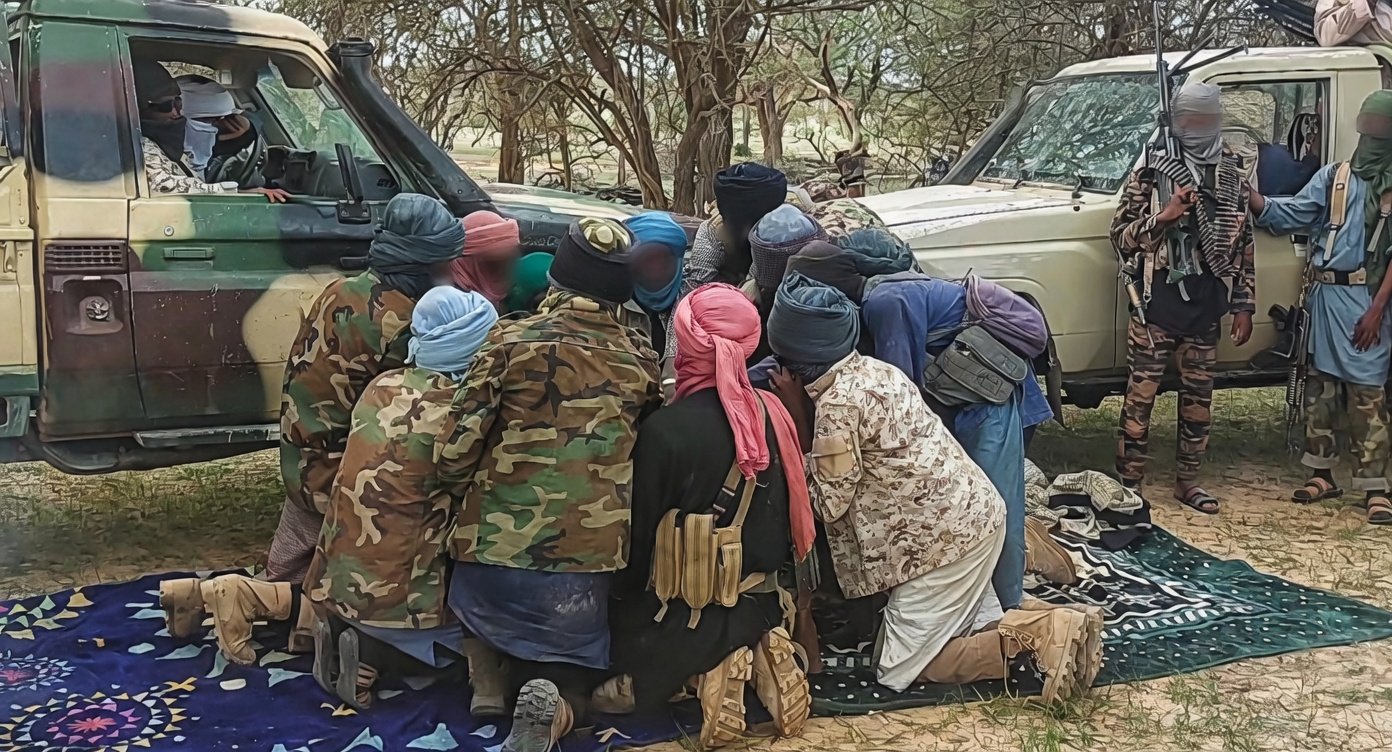
Informed sources and intelligence monitoring groups indicate that senior al-Qaeda figures, including the movement’s de facto leader Saif al-Adl, have reportedly relocated to Afghanistan alongside dozens of families affiliated with high-ranking operatives.
According to reports, approximately 45 families of prominent al-Qaeda members have recently entered the country, settling across designated residential zones and rural compounds managed by de facto security structures.
Relocation dynamics and institutional protection
Field accounts and security assessments detail the administrative and operational oversight governing the movement of foreign militant cadres:
- Relocation of Command Elements: Sources confirm that top leadership figures previously based in neighboring countries have re-established active hubs within Afghan borders to consolidate organizational command.
- Resettlement of Operative Families: The entry of approximately 45 families of high-ranking operatives is being coordinated through informal logistical networks across eastern and southern border provinces.
- De Facto Oversight: Reports indicate that while local authorities maintain a public stance denying foreign group presence, intelligence directorates continue to provide covert housing, movement clearances, and security perimeters for senior foreign operatives.
Regional and international security implications
The reported arrival of Saif al-Adl and accompanying leadership cadres underscores growing global concern regarding Afghanistan’s status as a sanctuary for international militant networks.
International security analysts note that the consolidation of al-Qaeda’s central command within Afghan territory complicates regional counter-terrorism efforts and heightens friction between de facto authorities and neighboring states over cross-border security commitments.