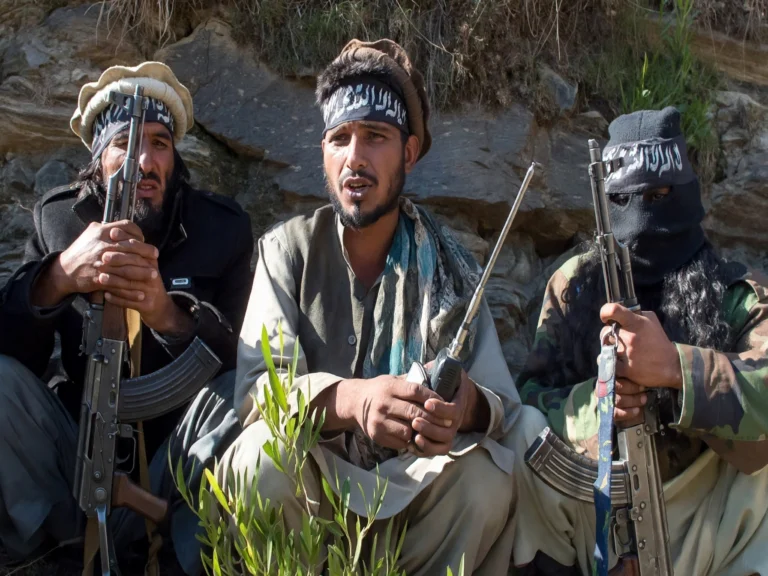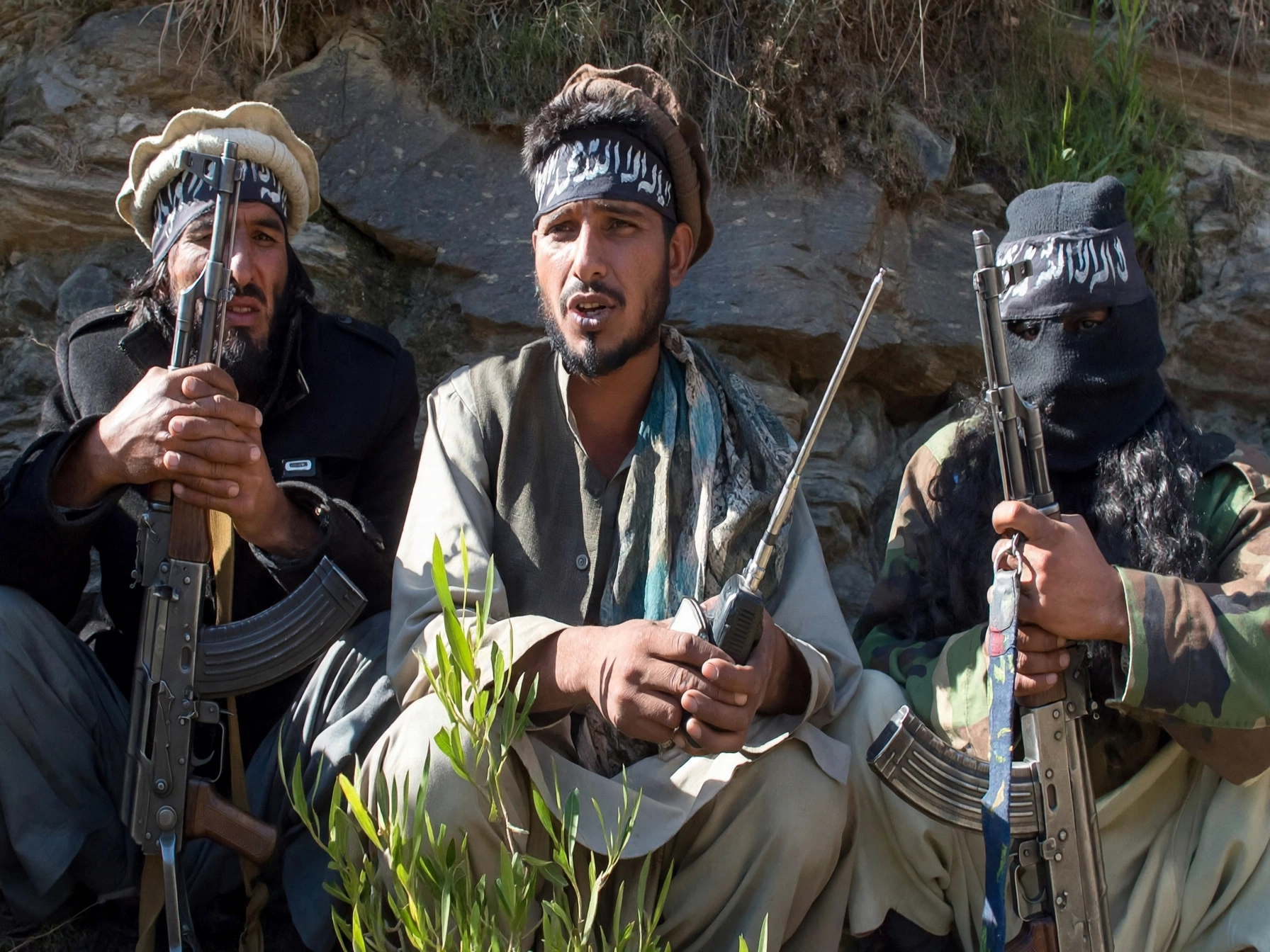
PESHAWAR / KABUL — More than 5,000 Afghans fought alongside ISIS in Syria against former Syrian President Bashar al-Assad’s government and Iranian-backed forces, with survivors returning to Afghanistan and Pakistan’s Orakzai area and seven former Syria fighters reportedly appointed as military commanders or provincial governors across Afghan provinces, according to local sources.
Local sources noted that the report—which also alleged involvement by fighters from the Haqqani network in the Syrian conflict—stated that many Afghan militants were killed or wounded in Syria before others returned to the region, with detailed provincial assignments slated for a subsequent report. Independent verification of the figure, Haqqani participation in Syria, and the reported appointments was not immediately available.
Key claims from the report
Local sources summarizing the account outlined its main assertions regarding fighter movement and leadership appointments:
- Estimated Fighter Numbers and Role: The report estimated that over 5,000 Afghans fought within ISIS ranks in Syria opposing Bashar al-Assad’s administration and the Islamic Republic of Iran, while also claiming Haqqani network fighters took part in the conflict.
- Casualties and Return Routes: According to local sources, a large share of these fighters suffered fatalities or injuries in Syria, while others moved back toward Afghanistan and Pakistan’s Orakzai tribal district along the border belt.
- Provincial Appointments: Seven commanders who returned from Syria were reportedly named by ISIS to military commander or provincial governor posts in various provinces of Afghanistan, with specific names and provinces promised in a follow-up dispatch.
- Verification Limits: Independent security analysts and official sources had not publicly corroborated the reported headcount, cross-theater transfers, or provincial command assignments.
Broader context of militant networks across the region
Security researchers have long tracked cross-border movement of militants between Afghanistan, Pakistan’s former tribal agencies—including Orakzai—and Middle Eastern conflict zones, as well as rivalries and shifting alignments among Islamic State Khorasan Province (ISKP), the Taliban, and the Haqqani network. Because militant claims regarding troop numbers and internal restructuring are difficult to verify independently, regional security monitors rely on intelligence assessments, UN reporting, and ground corroboration to evaluate shifts in militant capacity.