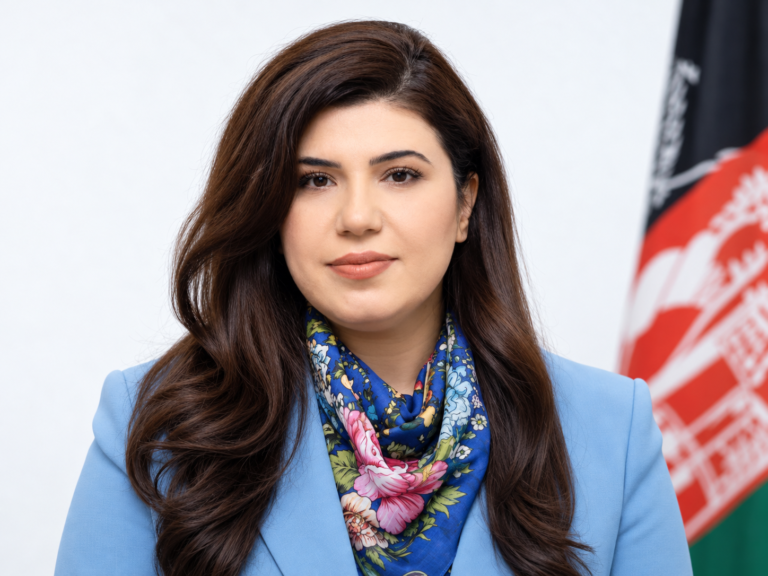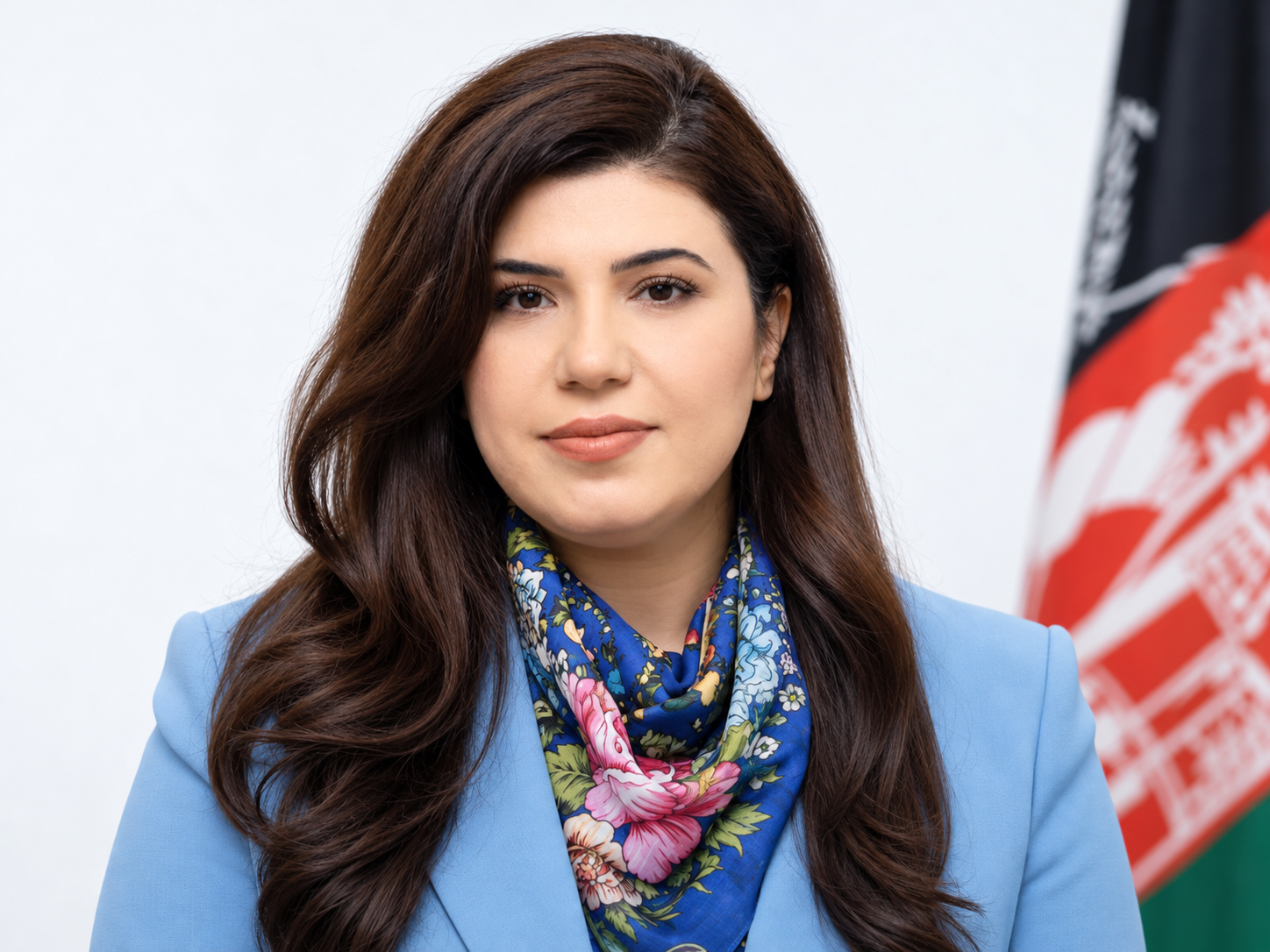
THE HAGUE / PESHAWAR — Human rights activist and Dutch D66 party member Sangeh Siddiqi has criticized efforts by figures holding family or political privilege to claim power in Afghanistan, stating that young people living inside the country under Taliban rule are the rightful owners of Afghanistan’s future, according to local sources.
Local sources noted that in a written statement, Siddiqi argued that girls and boys inside Afghanistan—facing harsh restrictions, poverty, hunger, and shortages of basic necessities including electricity and safe drinking water—must have the voice and right to decide their country’s future.
Key points from Siddiqi’s statement
Local sources reviewing the written remarks highlighted her arguments regarding political representation and domestic conditions:
- Critique of Privileged Power Claims: Siddiqi pushed back against figures relying on family background or past political privilege to seek authority over Afghanistan’s political trajectory.
- Focus on Youth Inside Afghanistan: She stated that young men and women living under Taliban coercion bear the daily burden of restrictions and deserve to shape Afghanistan’s future.
- Living Conditions and Basic Services: Siddiqi pointed to hardship, hunger, and lack of essential services—specifically naming electricity and safe drinking water—affecting young people inside the country.
Broader context of diaspora debate and political divisions
Debates over who legitimately represents Afghanistan’s future frequently surface among diaspora activists, civil society voices, and former political figures abroad, particularly as economic strain, service shortages, and severe restrictions on women and youth persist inside Afghanistan. Siddiqi, an Afghan-born activist active with the Democrats 66 (D66) party in the Netherlands, has regularly commented on human rights and political developments affecting Afghans.