

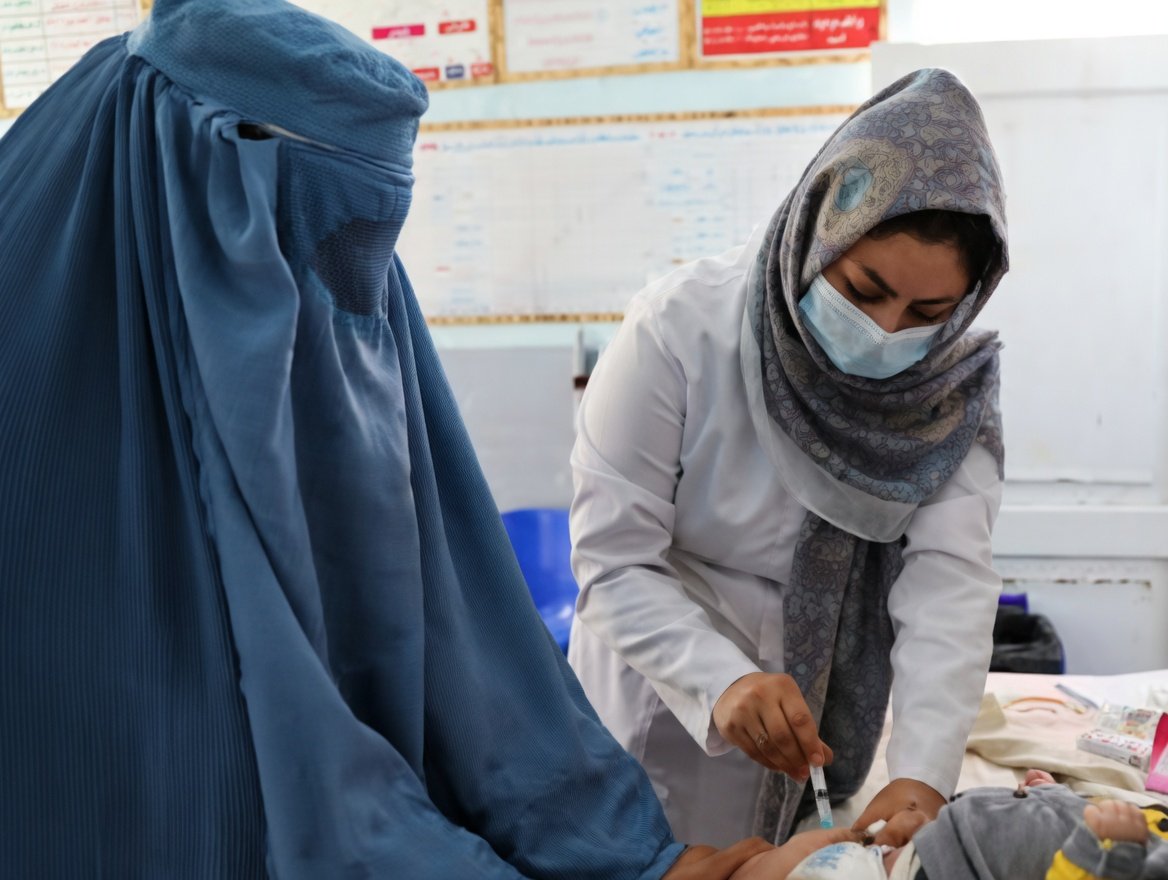
More than 700 primary healthcare facilities across Afghanistan have closed down between 2025 and 2026 due to severe cuts in international humanitarian aid, according to Bruno Lemarquis, the UN Deputy Special Representative of the Secretary-General and Resident Coordinator in Afghanistan.
Speaking on Friday, 15 Aqrab / November 6, Lemarquis warned that the shuttering of facilities represents nearly 40 percent of the country’s primary healthcare network, drastically restricting public access to basic medical services, emergency care, and maternal health support.
Precipitous decline in global humanitarian funding
Lemarquis highlighted a steep multi-year contraction in financial aid committed to Afghanistan’s critical relief operations:
- Funding Drop: Annual international humanitarian funding for Afghanistan plummeted from $2 billion in 2023 to $1 billion in 2025, reaching a critical low of just $570 million so far in 2026.
- Systemic Impact: The severe budget shortfall has forced humanitarian organizations to dismantle rural health clinics, suspend mobile medical units, and lay off essential medical personnel.
- Disruption of Essential Supplies: Funding cuts have directly bottlenecked imports of critical pharmaceuticals, vaccines, and therapeutic food treatments required to manage severe malnutrition.
Strain from mass returnees, climate shock, and regime restrictions
The dismantling of basic health services coincides with compounding structural and social crises:
- Influx of Returnees: Around 6.7 million Afghan returnees have arrived from neighboring countries since 2023, overwhelming local infrastructure and host communities unable to support additional medical or civic needs.
- Gender Restrictions and Operational Obstacles: Lemarquis noted that ongoing bans on female education, employment, and female Afghan UN staff entering UN premises continue to hamper aid delivery and worsen the regime’s international isolation.
- Rising Needs Through 2027: The UN projects humanitarian needs to rise significantly through 2027, exacerbated by economic deterioration, regional instability, and extreme weather events.
Lemarquis urged international donors not to abandon the Afghan populace, warning that neglecting the humanitarian crisis threatens regional security and will inevitably drive higher waves of irregular migration across borders.