

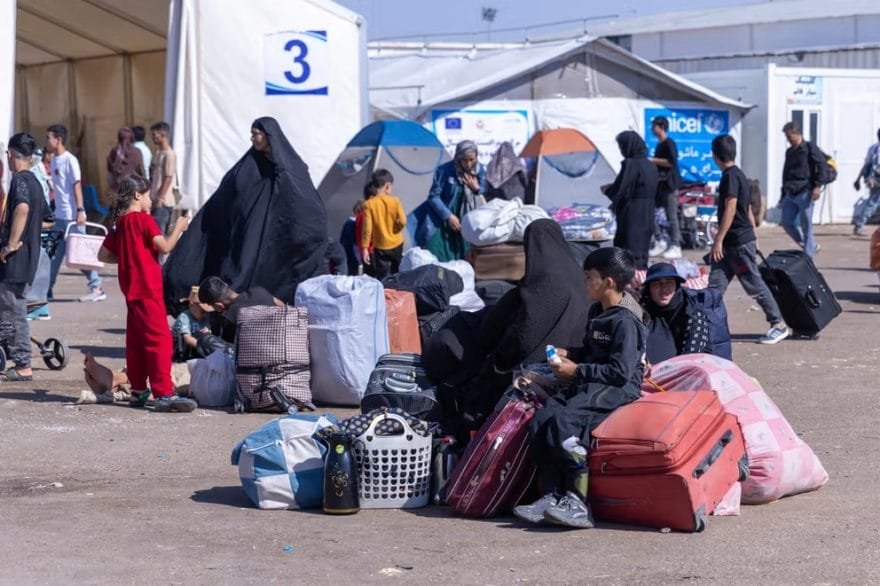
More than 6 million Afghan migrants have returned to Afghanistan over the past three years, significantly increasing pressure on the country’s already limited housing and basic services, according to the United Nations Human Settlements Programme (UN-Habitat).
The agency has warned that the continued influx of returnees is creating an urgent need for additional housing and essential services across Afghanistan. Many returning families are arriving in communities that are already struggling with limited infrastructure and humanitarian resources.
The large-scale return of Afghan migrants has placed additional pressure on shelter systems, particularly in areas where housing availability is already severely constrained. Humanitarian organizations are facing growing difficulties in providing emergency shelter and other essential assistance amid significant funding shortages.
UN-Habitat has emphasized the importance of strengthening housing and urban infrastructure to help communities absorb the growing number of returnees. Without adequate shelter and basic services, vulnerable families may face further economic and social hardship.
The situation also presents challenges for local communities, which must accommodate returning populations while dealing with existing shortages in housing, water, sanitation and other essential services.
Humanitarian agencies continue to call for greater international support to address the needs of returnees and host communities. However, funding constraints are limiting the ability of organizations to respond to the scale of the crisis.
The return of more than 6 million Afghans in three years represents a major humanitarian and development challenge for Afghanistan. Addressing the shelter shortage will require sustained assistance, investment in infrastructure and coordinated efforts to support both returnees and the communities receiving them.