

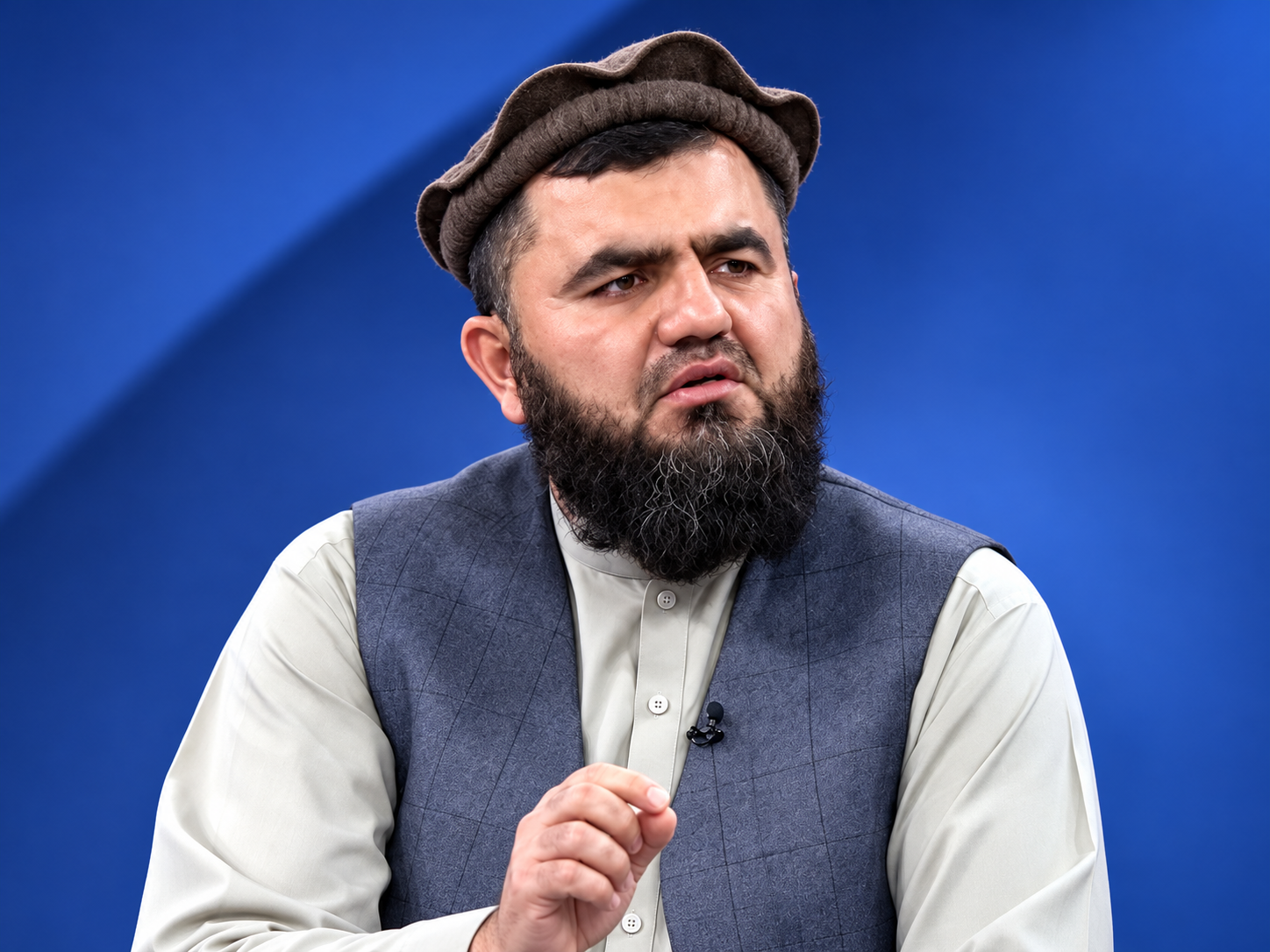
Prominent Afghan religious scholar Mawlawi Abdul Qader Qanet has stated that he was imprisoned and subjected to severe torture by Taliban forces over his public criticism of the group’s governance, resulting in serious damage to his kidneys.
Speaking in an interview with Afghanistan International on Friday, November 20 (29 Aqrab / Aban), Qanet—who has been repeatedly detained by Taliban intelligence in Kabul over the past several years—reiterated that he does not recognize the Taliban administration as an Islamic system and accused its leadership of exploiting religion for political control.
Challenging the Taliban’s religious monopoly and clerical alignment
Known as one of the few domestic religious scholars who has refused to retract his criticism despite repeated arrests and threats, Qanet drew a sharp distinction between independent scholars and clerics aligned with de facto authorities:
- Health Toll of Detention: Following roughly a year spent in Taliban custody—including detention at the Taliban intelligence Directorate 40 facility in Kabul—Qanet stated that physical abuse and harsh prison conditions caused serious kidney failure and lasting medical complications.
- Critique of Pro-Taliban Clerics: Qanet accused clerics close to the Taliban of instrumentalizing Islam to justify repressive decrees and secure personal privileges, contrasting them with independent scholars who speak out against rulers.
- Rejection of Religious Monopolization: Stressing that religion cannot be monopolized by state power, Qanet’s remarks echo broader criticism from independent scholars and opposition figures who view the presentation of Taliban supreme leader Mullah Hibatullah Akhundzada as an unquestionable Amir al-Mu’minin (“Commander of the Faithful”) as a political tool rather than a legitimate religious consensus.
Over the past five years, Qanet has consistently called for an inclusive national government and the reopening of schools and universities for Afghan girls, making him a frequent target of Taliban intelligence crackdowns on dissenting religious voices.