

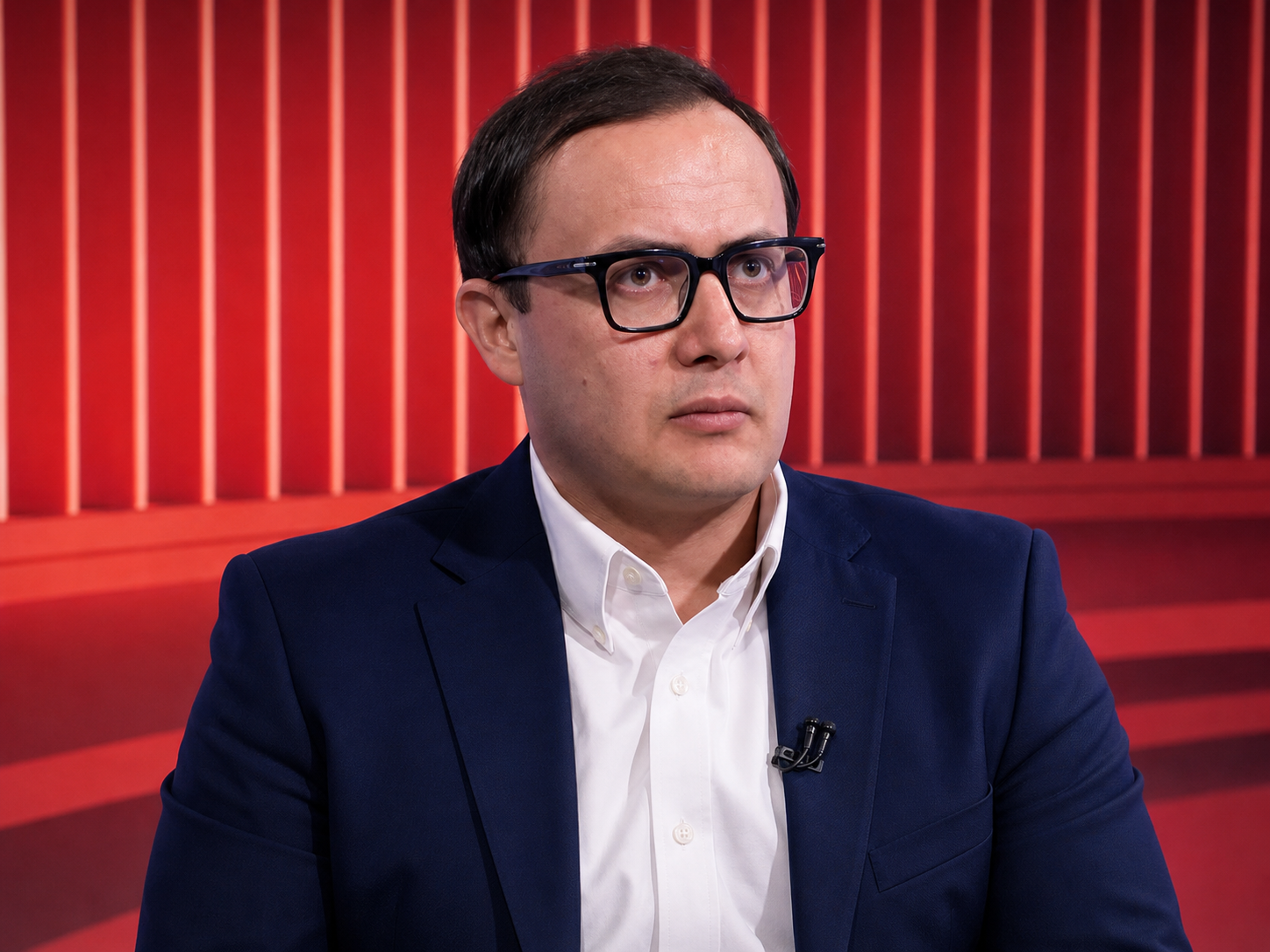
Abdullah Khanjani, head of the political bureau and official spokesperson for the National Resistance Front of Afghanistan (NRF), has characterized the de facto Taliban administration as an autocratic construct driven by three foundational pillars: “ideology, tribe, and plunder.”
In a series of political assessments regarding the regime’s governance structure, Khanjani argued that the de facto movement operates not as a modern state mechanism, but as an extractive, closed faction reliant on religious extremism, ethno-tribal favoritism, and economic exploitation.
The three pillars of de facto governance
Khanjani outlined the operational elements that sustain the Taliban’s internal cohesion and political control:
- Ideology: The enforcement of an uncompromising, totalitarian interpretation of religious law used to suppress civil liberties, eliminate basic rights for women, and criminalize political dissent.
- Tribe: The systematic monopolization of political authority and state appointments along strict tribal and regional lines, concentrating key decision-making powers within specific loyalist circles.
- Plunder: The institutionalization of predatory economic practices, including arbitrary taxation, extortion, resource extraction, and the redistribution of public land and administrative positions to regime cadres.
Opposition perspective on long-term stability
The NRF political chief emphasized that governance based on tribal exclusivity and systemic patronage is inherently unsustainable:
- Absence of National Legitimacy: Khanjani noted that by excluding diverse ethnic, political, and civic groups from governance, the regime deepens internal disenfranchisement and political instability across the country.
- Economic Breakdown: Prioritizing group survival and resource plunder over public welfare has accelerated economic collapse, driving millions of citizens into severe poverty and food insecurity.
- Continued Opposition Resistance: Khanjani reiterated the NRF’s commitment to political and military resistance, maintaining that sustainable peace requires restoring democratic processes and popular self-determination.
Political observers note that Khanjani’s remarks reflect the opposition’s ongoing efforts to highlight structural vulnerabilities within the de facto administration as diplomatic isolation and domestic economic crises continue.