

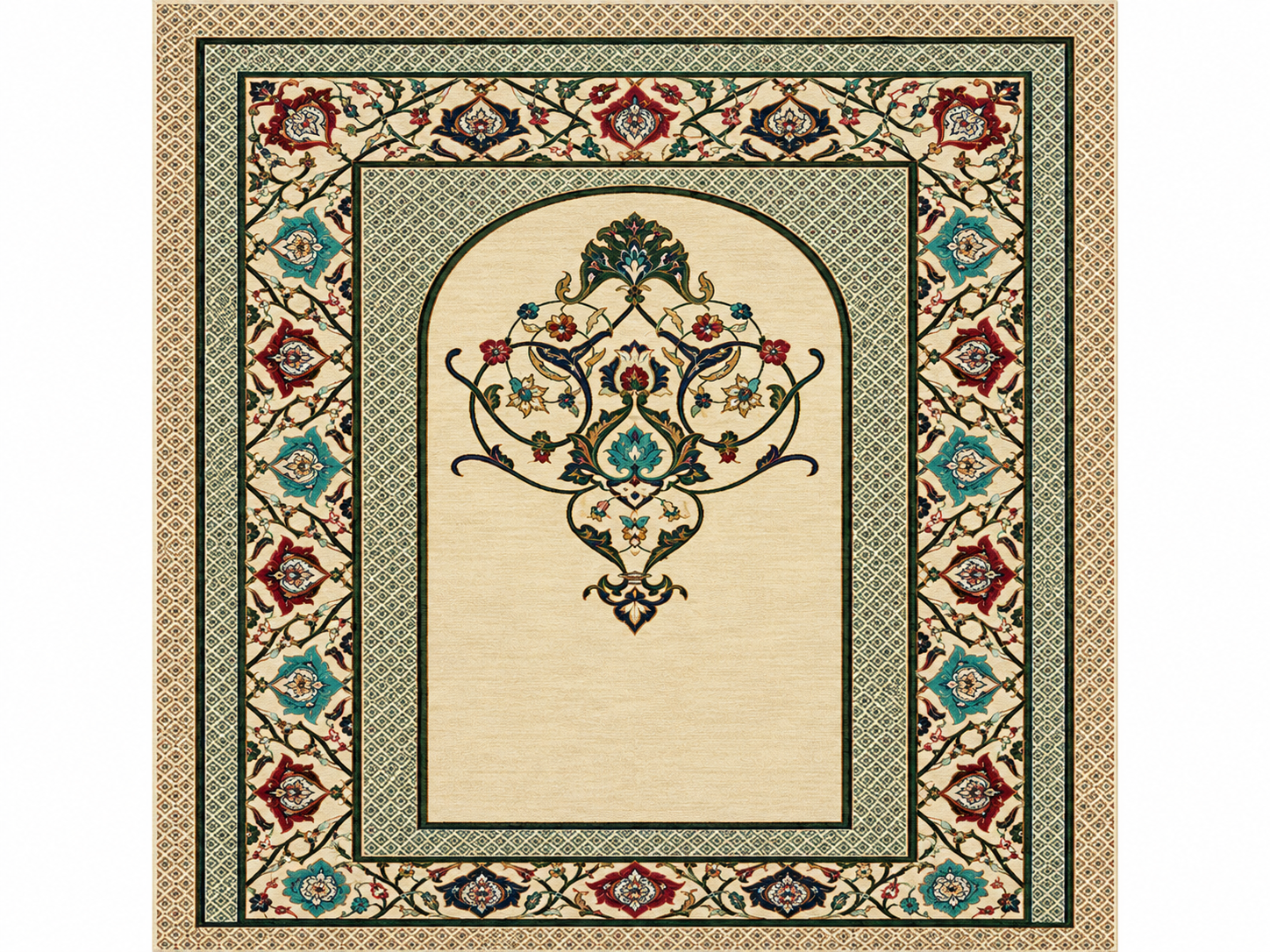
ZARANJ — De facto Taliban officials at the Standards and Quality Administration announced on Monday, November 23, 2026 (2 Qaws / Azar 1405) that 800 kilograms of prayer rugs and a shipment of electrical appliances imported through southwestern Nimroz province’s Silk Bridge crossing were rejected and returned as “substandard.”
According to the administration’s newsletter, inspections and laboratory testing determined that the prayer rugs failed to meet official quality standards, prompting authorities to send the goods back to their point of origin. The statement did not explicitly name the exporting country, though the Silk Bridge crossing links Nimroz’s capital, Zaranj, with Iran across the border.
Border inspection and trade dynamics at Silk Bridge
The shipment rejection highlights ongoing quality controls and commercial activity along the western frontier:
- Rejected Goods: The administration reported returning 800 kilograms of prayer rugs alongside electrical appliances after lab evaluations and checks flagged non-compliance with set standards.
- Silk Bridge Crossing Context: Spanning the border between Afghanistan and Iran near Zaranj, the Silk Bridge serves as a vital commercial and transit corridor between the two neighbors, alongside periodic border reviews and transport adjustments in Nimroz.
- Customs and Standards Enforcement: Taliban regulatory agencies have periodically announced rejections of imported fuel, construction materials, consumer goods, and appliances at border crossings on grounds of quality or technical standards, affecting traders and importers managing cross-border supply chains.
Broader commercial pressures
Amid shifting transit dynamics, border inspections, and broader regional trade disruptions, importers and merchants face heightened scrutiny over documentation, product standards, and shipment delays across Afghanistan’s land crossings.