

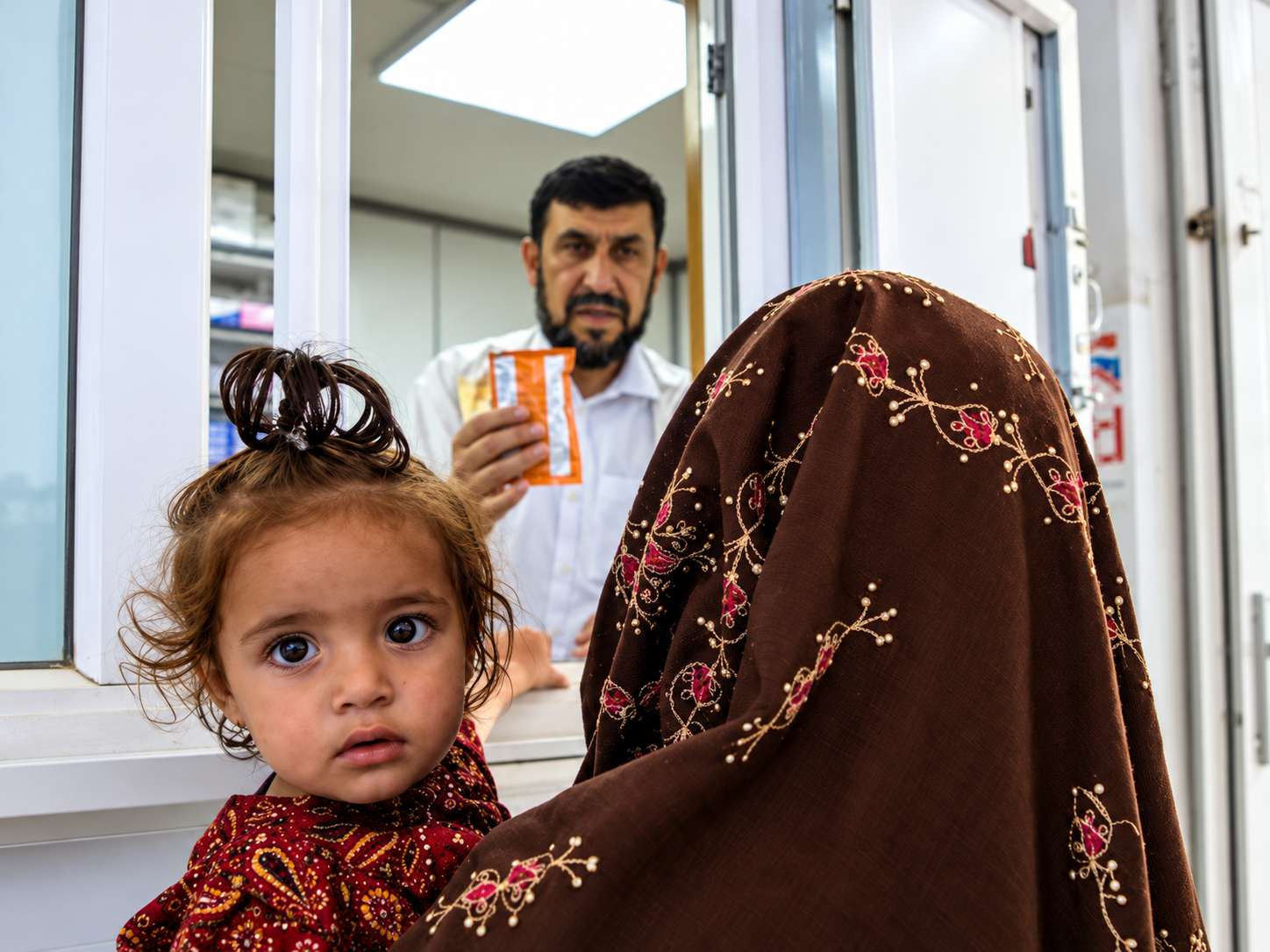
Doctors Without Borders (Médecins Sans Frontières – MSF) has reported a 28 percent increase in inpatient admissions of children suffering from severe acute malnutrition (SAM) across three Afghan provinces—Herat, Helmand, and Kandahar—with 8,487 children admitted between January and August 2026 compared to the same period last year.
In a statement released on Wednesday, November 18, 2026 (27 Aqrab / Aban), the medical humanitarian organization warned that poverty, insufficient access to food, and barriers to healthcare are driving a worsening cycle of malnutrition and disease among infants, young children, and pregnant women.
Rising infant admissions and unusual seasonal persistence
MSF’s data from inpatient therapeutic feeding centers in Herat, Helmand, and Kandahar highlights several critical trends:
- Sharp Jump in Infant Cases: Admissions of infants under six months old increased by 32 percent compared with the same eight-month period in 2025, accounting for between 27 and 36 percent of all admissions across the three provinces.
- High Caseloads Beyond Summer Peak: While malnutrition admissions typically begin to decline after the summer peak, MSF noted that patient numbers at its supported facilities in Helmand and Herat remained unusually high beyond August.
- Maternal Malnutrition Risks: MSF warned that maternal malnutrition during pregnancy increases the likelihood of low birth weight, leaving newborns vulnerable to severe malnutrition and illness from the very start of life.
Broader humanitarian and funding pressures
The warning coincides with bleak projections for Afghanistan’s nutrition crisis. An October 2026 Integrated Food Security Phase Classification (IPC) analysis estimated that 4.04 million Afghan children aged six months to five years will require treatment for acute malnutrition in 2027—including nearly 1.1 million facing severe acute malnutrition, a 16 percent rise over 2026—alongside 1.27 million pregnant and breastfeeding women.
MSF urged international donors, health authorities, and humanitarian agencies to prioritize sustained funding for nutrition programs and essential medical services, noting that hospital treatment alone cannot ensure lasting recovery when families remain unable to afford or access adequate food.