

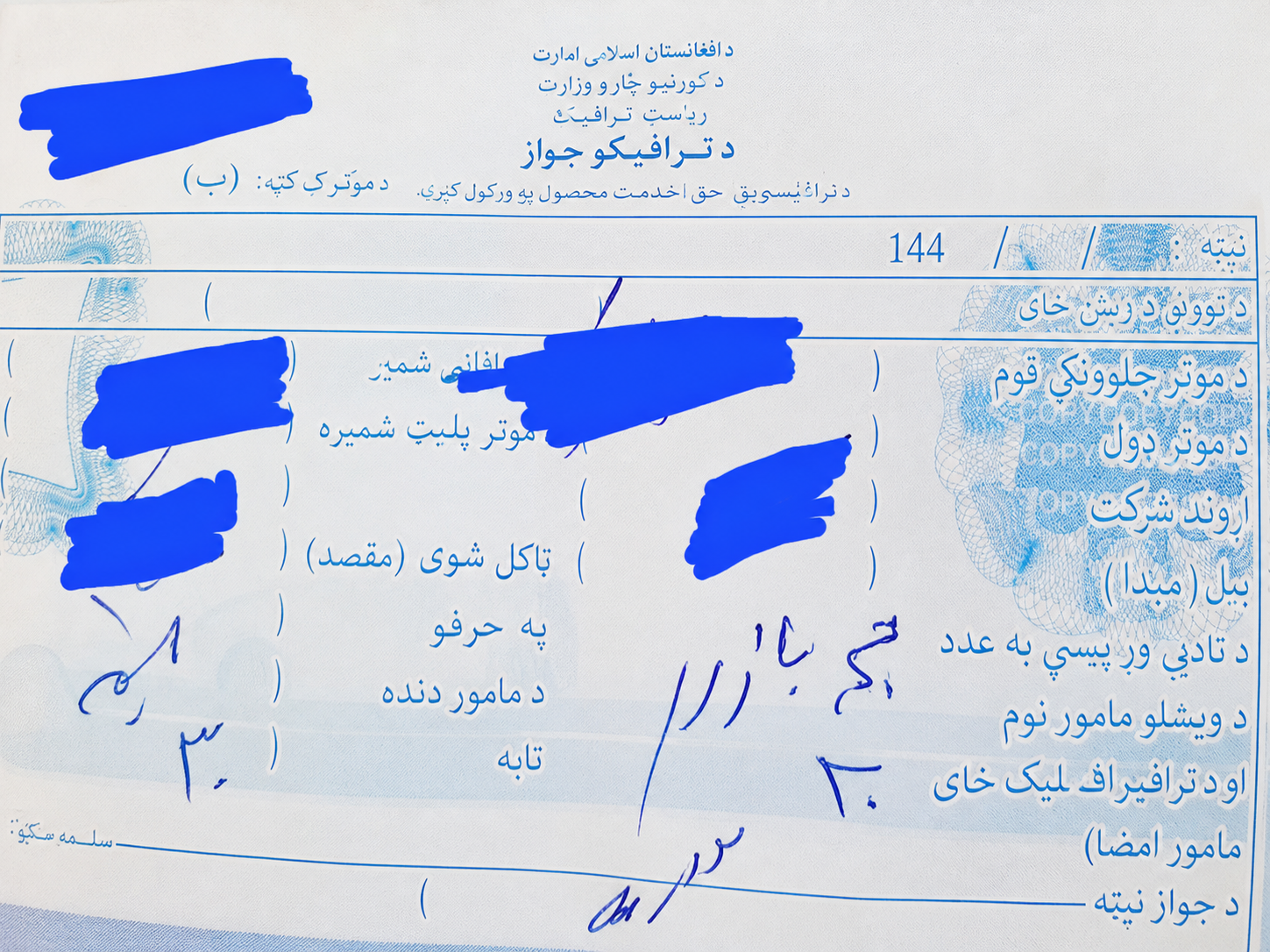
An investigative report by Zurvan reveals that the de facto administration’s decision to outsource state-run transport terminals and inter-provincial routes to private concessionaires has severely inflated transit costs and enabled widespread financial extortion across the transport sector.
By handing over operational control of key transport hubs to politically connected private firms, de facto authorities have created a monopolized system that leaves both commercial drivers and daily commuters vulnerable to unregulated fee hikes and illegal surcharges.
Escalating Ticket Costs and Mandatory Terminal Fees
The privatization drive has systematically dismantled competitive pricing structures across major highway networks:
- Inflated Passenger Fares: According to the report, ticket prices across primary transit routes—including key corridors linking Kabul, Balkh, Herat, and Kandahar—have risen sharply, severely burdening low-income travelers and migrant laborers.
- Coercive Collection at Terminals: Commercial bus and minivan drivers report being forced to pay inflated entry, loading, and administrative fees to private company managers operating under official contracts.
- Lack of Regulatory Oversight: Drivers who challenge arbitrary price increases face immediate revocation of loading permits or physical exclusion from designated terminals by de facto transport officials enforcing private company directives.
Systemic Financial Strain on Transportation Operators
The structural handover of public infrastructure has altered the economic reality for vehicle operators nationwide. Drivers emphasize that compounding terminal charges, combined with unofficial highway checkpoint tolls, have drastically reduced net income, forcing them to pass operational costs directly onto passengers.
Transport unions and economic analysts warn that turning over public transport infrastructure to private monopolies without independent regulatory safeguards fosters systemic corruption, artificially swells transit costs, and further deepens financial hardship for ordinary citizens dependent on affordable inter-provincial travel.