

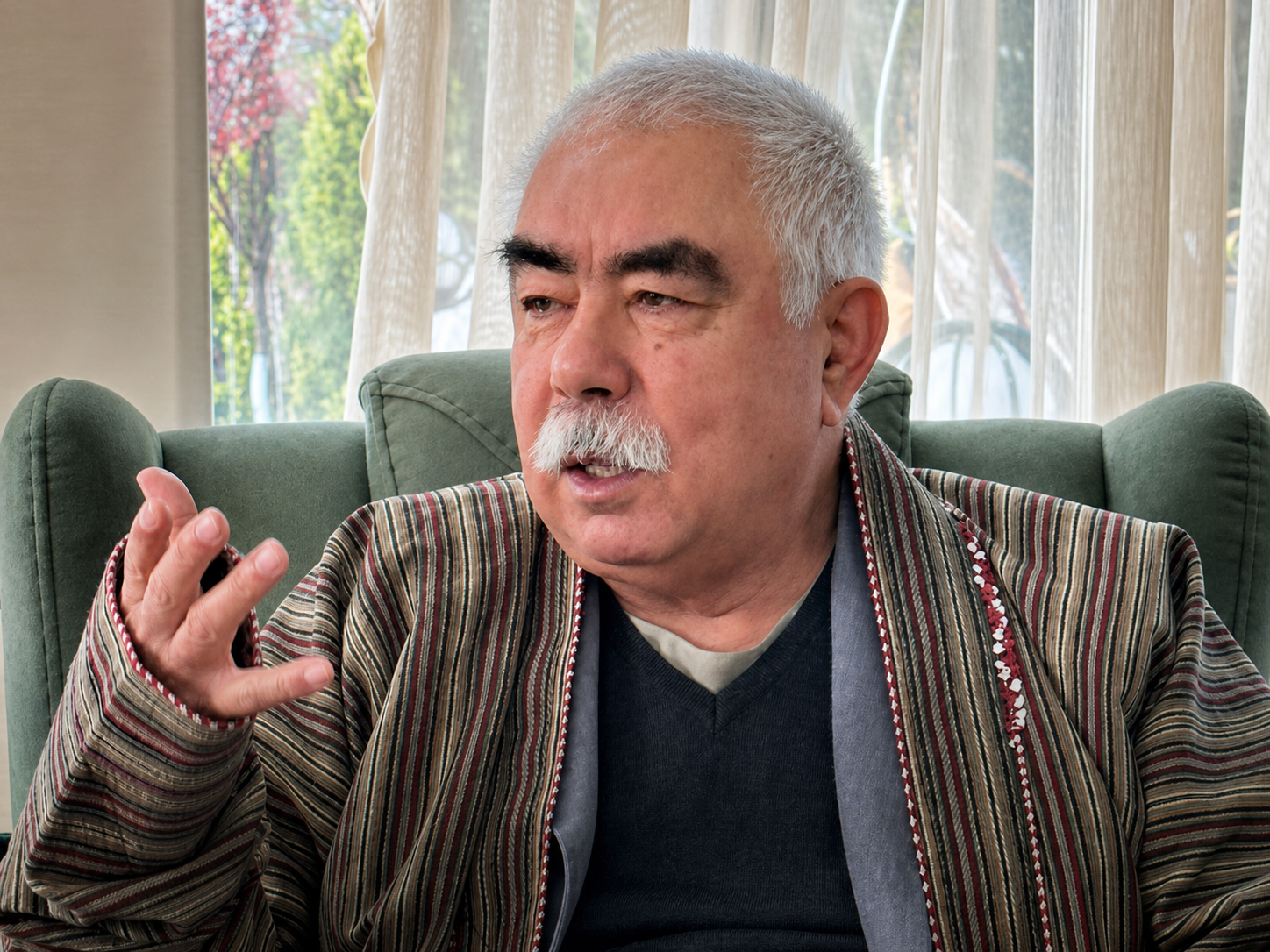
Leader of the National Islamic Movement of Afghanistan (Junbish-e Milli), Marshal Abdul Rashid Dostum, declared that the de facto Taliban administration is structurally temporary and bound for eventual collapse during a speech marking the 19th anniversary of Syed Mustafa Kazemi’s martyrdom.
Addressing political figures, exiled leaders, and supporters during a virtual commemorative assembly, Dostum emphasized that the sacrifices of figures who fought for national sovereignty and democratic rights will remain permanently etched in public memory.
Failure of governance and inevitable collapse
Dostum’s address focused on what he characterized as the inherent fragility and lack of public legitimacy governing the current political system in Kabul:
- Unsustainable Governance Model: The former vice president stated that ruling through strict administrative coercion, institutional suppression, and ideological exclusion cannot sustain long-term state stability.
- Inevitability of Regime Decline: Dostum asserted that the de facto administration represents a temporary phase in Afghanistan’s history, expressing confidence that public resistance and internal governance failures will lead to its ultimate collapse.
- Honoring National Martyrs: Commemorating the 2007 Baghlan sugar factory attack that claimed the life of former Commerce Minister Syed Mustafa Kazemi, Dostum stated that the nation will never forget those who lost their lives striving for freedom, national unity, and democratic governance.
Calls for opposition cohesion and political resolution
The statements from the Junbish-e Milli leader come amidst ongoing efforts by exiled political coalitions to organize a unified opposition strategy:
- Urgency of Political Cohesion: Dostum underscored that anti-Taliban political factions and civil opposition networks must bridge internal divisions to present a viable political alternative for the Afghan population.
- Warning of Escalating Conflict: Echoing recent warnings from senior opposition figures, Dostum noted that the administration’s refusal to engage in inclusive political dialogue increases the risk of broader security instability and armed resistance.
- Solidarity with Captive Citizens: The political leader reiterated support for Afghan citizens inside the country—particularly women and youth—who face daily economic hardship and social restrictions under de facto decrees.
Political analysts note that remarks from prominent opposition commanders like Dostum highlight persistent political resistance among exiled republican leadership, even as regional diplomatic powers maintain pragmatic working relationships with the authorities in Kabul.