

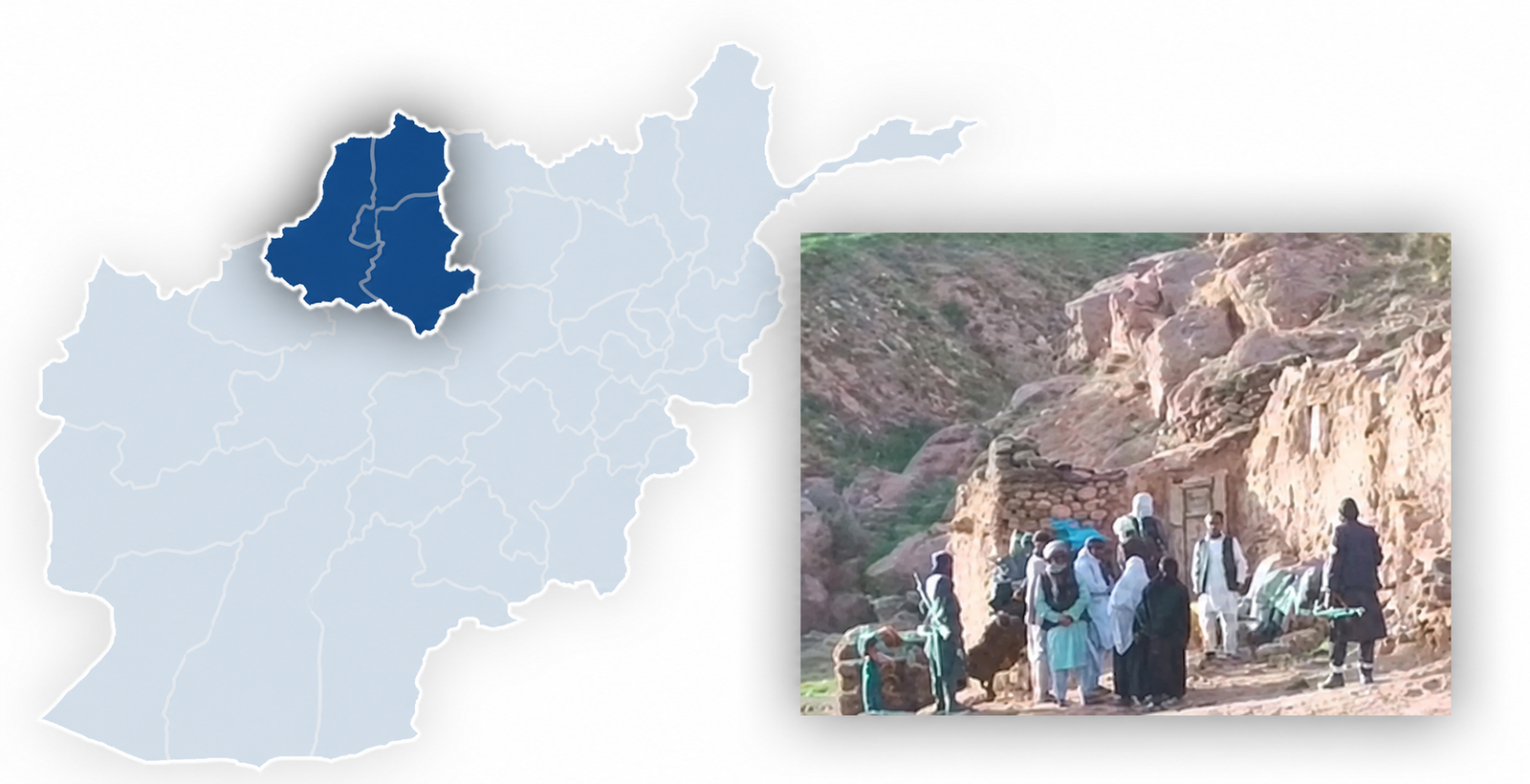
Author: Zarvan Zabardast
For years, people from different ethnicities and communities have lived alongside one another across the northern provinces of Afghanistan. For many of these communities, land, homes, farmland and the fruits of their labor have been central to their lives and livelihoods.
However, according to author Zarvan Zabardast, the situation has changed significantly over the past five years. Long-standing communities in northern Afghanistan have increasingly faced concerns surrounding land ownership, displacement and the security of their homes and agricultural property.
The issue is particularly sensitive in rural areas, where families depend heavily on farmland and inherited property for their livelihoods. Any changes in land ownership or control can therefore have consequences extending beyond property disputes, affecting food security, economic stability and community relations.
Zabardast’s discussion highlights the importance of examining developments in northern Afghanistan through the experiences of local communities that have lived in these areas for generations. The region has historically been home to diverse ethnic and social groups, making questions surrounding land and settlement particularly significant.
Concerns over property and displacement have also contributed to broader debates about demographic change, local governance and the protection of communities’ rights under Afghanistan’s current political system.
The situation remains a sensitive issue, with residents and observers calling for greater attention to land rights, legal protections and the preservation of livelihoods.
Zabardast’s account underscores how developments affecting land and homes can have lasting effects on Afghanistan’s diverse communities and the country’s social stability.