Kabul Times Monitoring Desk
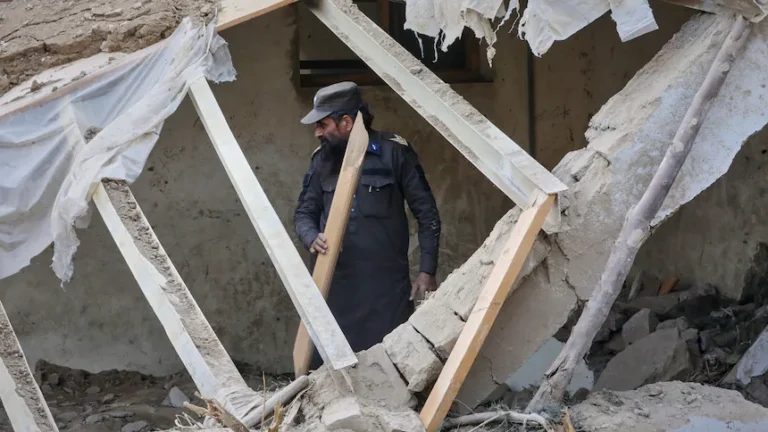
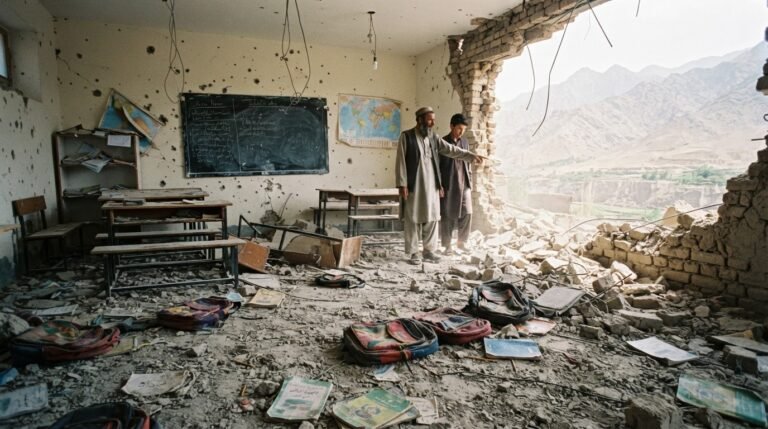
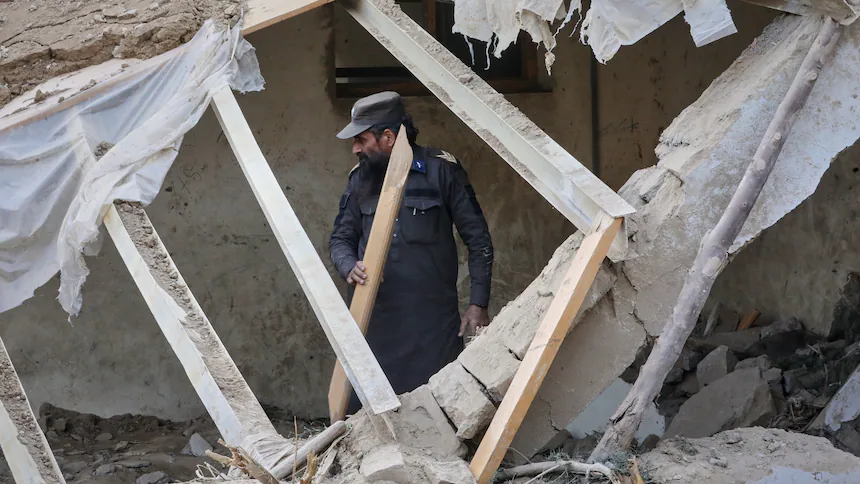
KABUL, Afghanistan— A massive explosion rocked the Andar Ser (Andir Sir) area of Shagai on the outskirts of Asadabad, the provincial capital of eastern Afghanistan’s Kunar province, on November 28, 2026. The blast leveled three to four adjoining houses and collapsed two classrooms of a nearby government middle school, killing dozens of schoolchildren and leaving more than 100 people injured.
While the interim Taliban administration has sought to portray the incident as an accidental blast at a commercial mining explosives depot, regional security disclosures and ground assessments indicate that the destroyed compound was operating as a major bomb-manufacturing and militant training facility run by Tehreek-e-Taliban Pakistan (TTP) in the heart of a civilian neighborhood.
The Mining Depot Cover Story
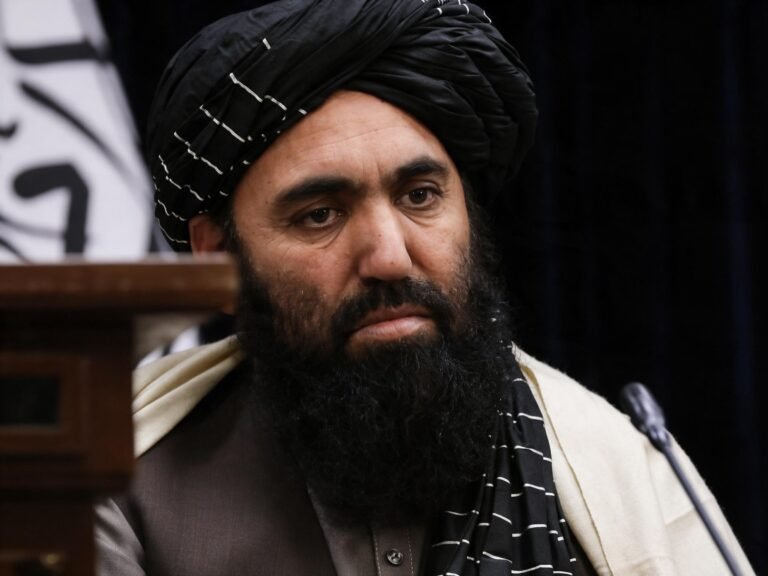
Within roughly three hours of the detonation, Taliban officials moved rapidly to establish an industrial-accident narrative. Taliban Deputy Spokesperson Hamdullah Fitrat and Interior Ministry Spokesperson Mufti Abdul Mateen Qani attributed the explosion to negligence at a storage facility holding explosives for mining operations, initially announcing a death toll of seven students and 99 injured—a figure later updated by hospital sources to at least 10 dead and 110 wounded.
Since then, authorities in Kabul have framed the destroyed site as a storage depot belonging to a Nuristan-based mining contractor. Ground disclosures, however, point to a deliberate effort to conceal cross-border terrorist infrastructure operating inside Afghan territory and deflect accountability for mass civilian casualties.
Inside TTP’s Bomb-Making and Training Compound
According to regional intelligence and security assessments, the facility—designated Baitullah Mehsud al-Maaskar after the TTP’s founding emir killed in a 2009 U.S. drone strike—served as the group’s principal hub for assembling vehicle-borne improvised explosive devices (VBIEDs) and suicide vests.
- Operational Footprint: Identified more than a year ago, the compound had operated for roughly 18 months under the cover of an old mining warehouse, producing VBIEDs and suicide jackets for attacks against Pakistani security forces in Khyber Pakhtunkhwa (KP), particularly across Bajaur, Mohmand, and Chitral.
- Command Structure: The site was commanded by Maulana Farooq Swati, a former close bodyguard of the TTP’s third emir, Mullah Fazlullah. Swat-based TTP explosives trainer Samandar Ustad was inside the compound at the time of the blast instructing recruits in handling explosives, landmines, and IEDs, while Mufti Naveed—head of TTP training operations in Swat—was also linked to the facility.
- Cause of Detonation: The explosion was triggered by a technical malfunction during the assembly of a vehicle-borne bomb while 20 to 25 militants were undergoing training, setting off secondary detonations in adjoining rooms stockpiled with additional explosives.
Casualties: A Terrorist Safe Haven’s Deadly Toll
- Civilians: Between 28 and 32 schoolchildren were killed and more than 120 people injured, including three teachers.
- TTP Operatives: At least 30 militants were killed—including facility commander Farooq Swati and 10 bomb-making specialists—while 28 others were wounded, more than 17 critically.
Explosives being assembled for terrorist attacks inside Pakistan ultimately detonated next to a classroom, turning a clandestine bomb factory into a death trap for the surrounding Afghan community.
Efforts to Sanitize the Blast Site
Immediately following the explosion, Taliban security forces cordoned off the neighborhood and barred independent public access. Authorities are now preparing a controlled visit to the site for a delegation led by the United Nations Assistance Mission in Afghanistan (UNAMA), alongside selected domestic and international journalists.
Prior to the delegation’s arrival, operatives from the Taliban’s General Directorate of Intelligence (GDI) were deployed to clear forensic traces of TTP activity from the rubble. Security sources indicate that the GDI has also coached mining contractor representatives and local loyalists to present a scripted account blaming employee negligence—an effort aimed at obscuring the facility’s militant role and Kabul’s complicity.
International observers and media outlets face an acute verification challenge: no inquiry can be deemed credible when the authorities controlling site access are actively removing physical evidence and vetting witnesses.
State Resources Mobilized for Wounded TTP Operatives
Even as bereaved Afghan families searched hospital wards for missing children, Taliban authorities airlifted wounded TTP fighters to the Ministry of Defence-run Sardar Mohammad Daoud Khan Military Hospital in Kabul. Intelligence channels have simultaneously explored urgent medical transfers to India—either by flying wounded operatives abroad or arranging specialized medical care in Kabul, though it remains unconfirmed whether New Delhi has entertained any such request.
The contrast underscores the depth of Kabul’s institutional patronage of the TTP. Since August 2021, TTP cadres have been embedded across villages, mosques, madrassas, and compounds along the Pakistan–Afghanistan border and deeper inside Afghan territory, with more than 100 militant facilities operating inside populated communities—effectively turning Afghan civilians into human shields.
Accountability for Kunar’s Children
A credible, transparent international inquiry requires unrestricted access to the Asadabad blast site, unedited forensic evidence, independent witness interviews, and full disclosure regarding the TTP operatives evacuated to Kabul—as well as scrutiny of the wider network of militant facilities embedded in Afghan civilian areas.
The children killed in Kunar were not casualties of an industrial mishap. They lost their lives because an internationally designated terrorist group was permitted to manufacture bombs beside their school—and no mining-depot narrative can erase that reality.