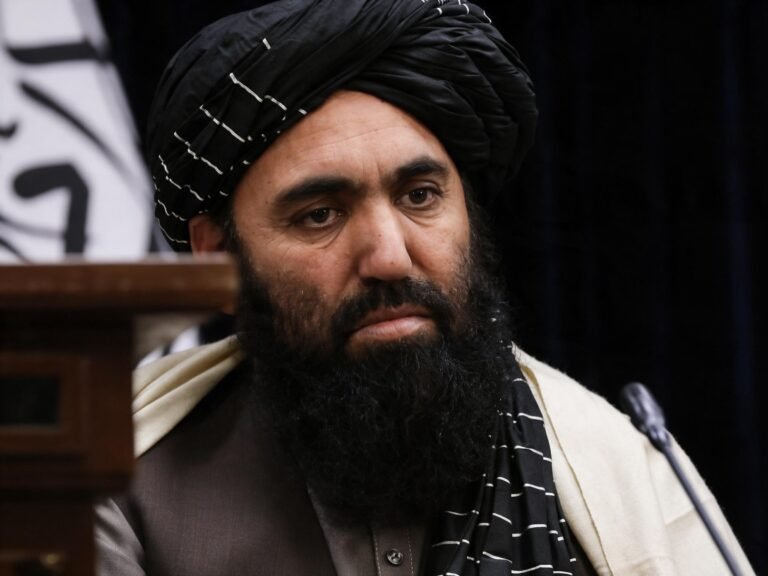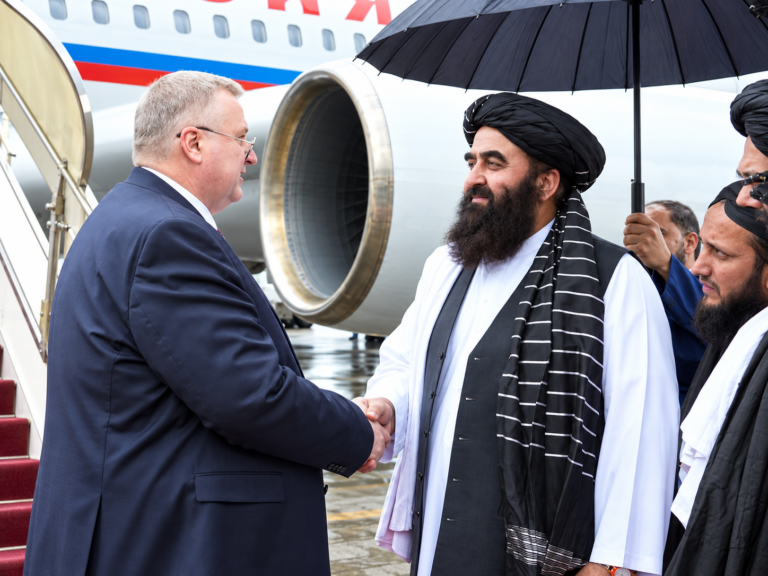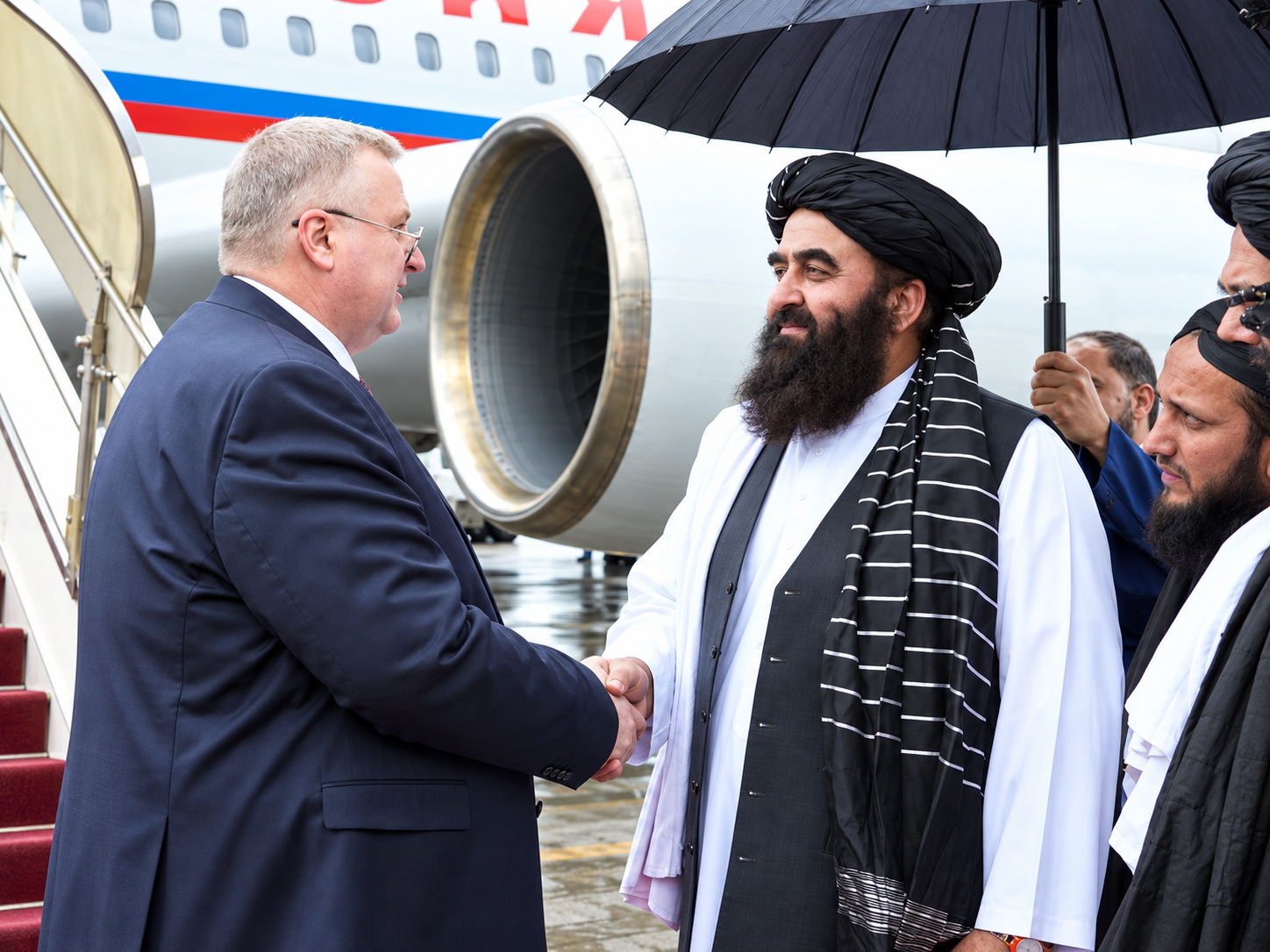
KABUL / MOSCOW / PESHAWAR — Former Afghan Minister of Information and Culture Abdul Bari Jahani has criticized Taliban security cooperation with Russia against the Islamic State (ISIS / ISIS-K) as contradictory to the group’s stated religious claims, while Russian special envoy Zamir Kabulov reaffirmed Moscow’s ongoing security engagement with the Taliban to safeguard Central Asia.
In a Facebook post published in late November 2026 (rendered in the source text as 26 December 1405), Jahani questioned how Taliban authorities justify partnering with a non-Muslim state to fight armed rivals while continuing hostilities against Muslim opponents. Around the same period, Kabulov—Russian President Vladimir Putin’s special representative for Afghanistan—told Russian state media that security cooperation with the Taliban has continued without interruption and thanked the group for its role in regional security.
Key points from Jahani’s critique and Kabulov’s remarks
The exchange highlighted ideological criticism from a former Afghan official alongside pragmatic security messaging from Moscow:
- Religious and Scriptural Arguments: Jahani argued that Taliban and ISIS militants share broad violent methods despite doctrinal disputes, citing Quranic verses—including Surah Al-Ma’idah (verse 51) on alliances with non-Muslims and Surah Al-Hujurat (verse 10) on brotherhood among Muslims—to challenge Taliban leader Haibatullah Akhundzada and his followers.
- Critique of War and Foreign Dealings: Jahani faulted the Taliban for continuing armed conflict against Muslim opponents instead of pursuing peace, while also referencing the Doha Agreement with the United States and repeating unverified claims regarding cash shipments to the Taliban.
- Kabulov on Regional Security: Zamir Kabulov stated that Moscow’s security cooperation with the Taliban has never stopped, praising the group’s fulfillment of regional security responsibilities and signaling potential future delegation visits to discuss economic and trade agreements.
Broader context of Russia-Taliban diplomatic and security ties
Russia remains the only country to have formally recognized the Taliban administration since its return to power in August 2021, following Moscow’s suspension of the Taliban’s terrorist designation and formal recognition in 2025. Counterterrorism—particularly containing ISIS-K threats to Central Asia and Russia—alongside expanding bilateral trade and commercial contracts has formed a central pillar of Moscow’s engagement with Kabul, even as critics and opposition figures challenge the Taliban’s ideological consistency and governance record.