

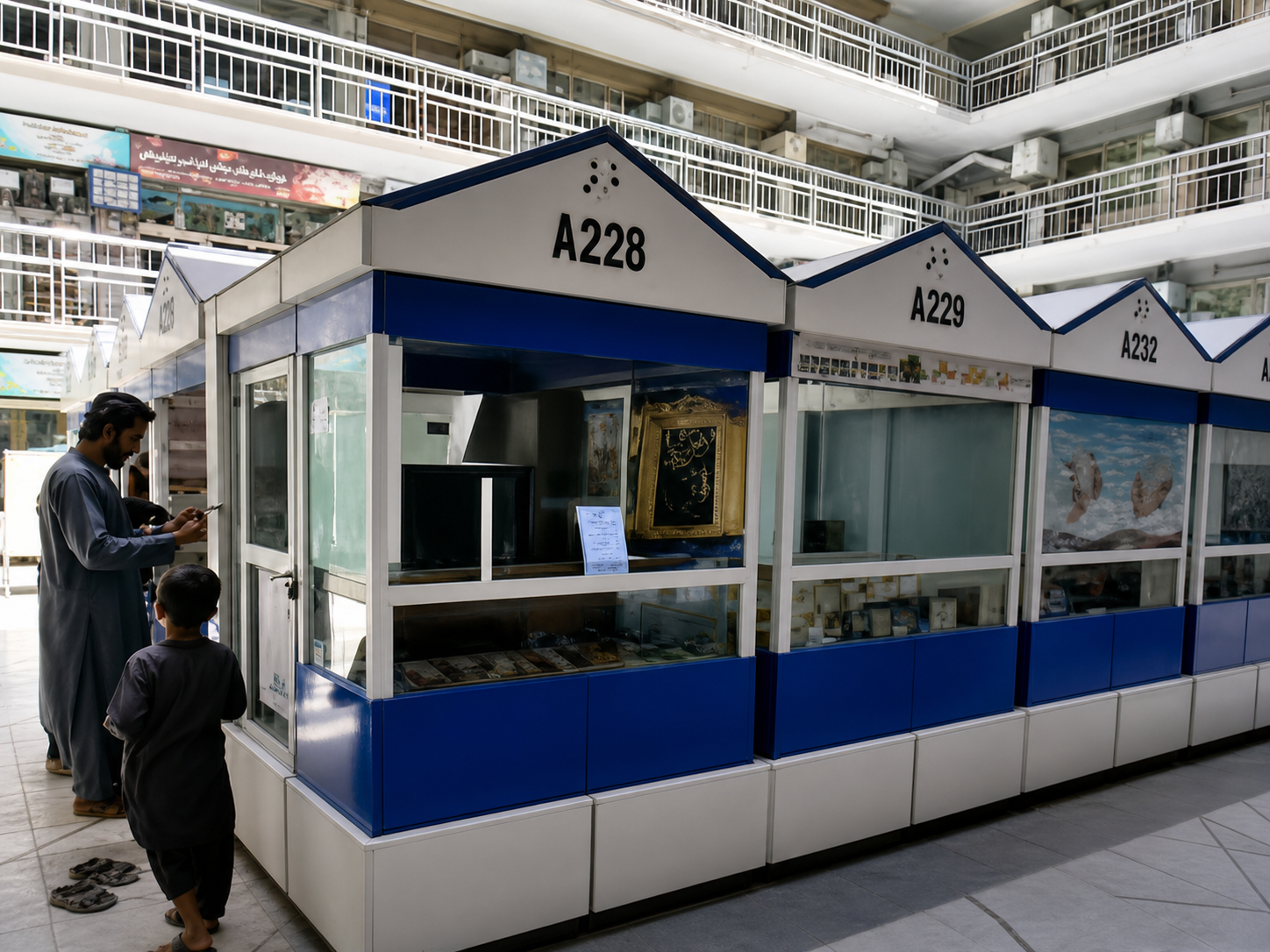
De facto authorities have closed approximately 20 money-exchange shops across three major commercial markets in Kandahar city—Atl, Kandahar, and Bahar—following disputes over strict new licensing mandates and exorbitant financial guarantee demands.
According to testimonies provided by local currency traders to Afghanistan International, the closures stem from the inability of small and medium-sized exchangers to comply with sweeping regulatory changes imposed on the financial sector.
Onerous capital requirements and central bank deposits
Money changers detailed the prohibitive financial thresholds introduced by de facto financial regulators, which effectively bar independent operators from maintaining legal status:
- Massive Guarantee Deposits: Under the new directives, money services companies operating in regional centers are required to deposit 20 million Afghanis (approximately $280,000 USD) with Da Afghanistan Bank (the central bank) as a mandatory security guarantee.
- Additional Capital Investment: Operators are further mandated to invest an additional 15 million Afghanis in capital to qualify for an operating license. While this permits a firm to establish up to five provincial branches, it places legal compliance entirely out of reach for independent neighborhood exchangers.
- Prohibition on Branch Transfers: Traders noted that de facto authorities have also blocked money services companies from transferring or sub-licensing branch permits, locking smaller operators out of partnership opportunities.
Impact on the informal financial network and regional liquidity
The closure of exchange shops in Kandahar’s primary commercial hubs highlights the severe friction between de facto monetary policy and the realities of a struggling domestic economy:
- Erosion of Small Businesses: Neighborhood and market-level money changers provide vital micro-liquidity, remittance services, and currency exchange for everyday citizens and small merchants. Forcing their closure deepens commercial stagnation.
- Centralization of Financial Control: Financial analysts point out that the de facto central bank’s aggressive regulatory push aims to consolidate the currency exchange sector under heavily capitalized, compliant conglomerates, squeezing out informal operators who lack institutional backing.
- Spillover Effects on Trade: As hawala and exchange networks face administrative bottlenecks, commercial settlements for imported goods and regional remittances become increasingly difficult to execute, further straining southern Afghanistan’s trade corridors.
De facto central bank and provincial economic officials in Kandahar have not issued an official statement regarding the closure of the exchange shops or potential adjustments to the licensing capital thresholds.