

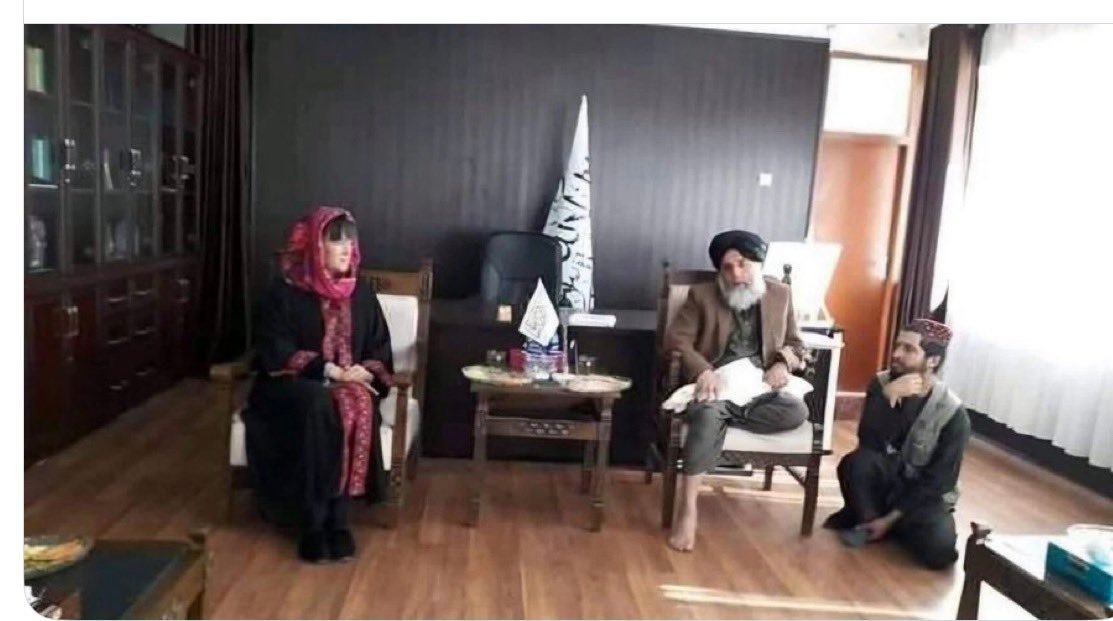
Jowzjan Governor Mullah Abdullah Sarhadi has come under criticism over remarks concerning women’s education and comments attributed to him regarding the destruction of the Bamiyan Buddha statues.
According to the claims, Sarhadi criticized women’s education, making a derogatory reference to the impact of educating women. His reported remarks have triggered criticism from those who argue that such statements reinforce restrictions on women and girls’ access to education in Afghanistan.
The governor has also reportedly expressed pride in the destruction of the ancient Bamiyan Buddha statues, which were demolished by the Taliban in 2001. The statues were among Afghanistan’s most significant cultural and historical landmarks and their destruction drew widespread international condemnation.
Critics have used the governor’s reported comments to question the Taliban leadership’s approach to education, cultural heritage and public communication. They argue that statements made by officials can further highlight the ideological restrictions imposed under Taliban rule.
The remarks have also prompted discussion about the limited engagement of senior Taliban officials with independent media. Critics say that greater openness to journalists and public questioning would allow officials to explain their policies and positions directly.
Meanwhile, the contrast between the governor’s reported comments and the broader restrictions facing Afghan women has fueled further debate over the status of women’s rights under the Taliban authorities.
The allegations and descriptions of Sarhadi’s statements should be considered in the context of reports attributed to local sources and critics, while independent verification of the full remarks and their context remains necessary.
The controversy comes as Afghanistan continues to face international scrutiny over restrictions on women’s education, freedom of expression and cultural rights.