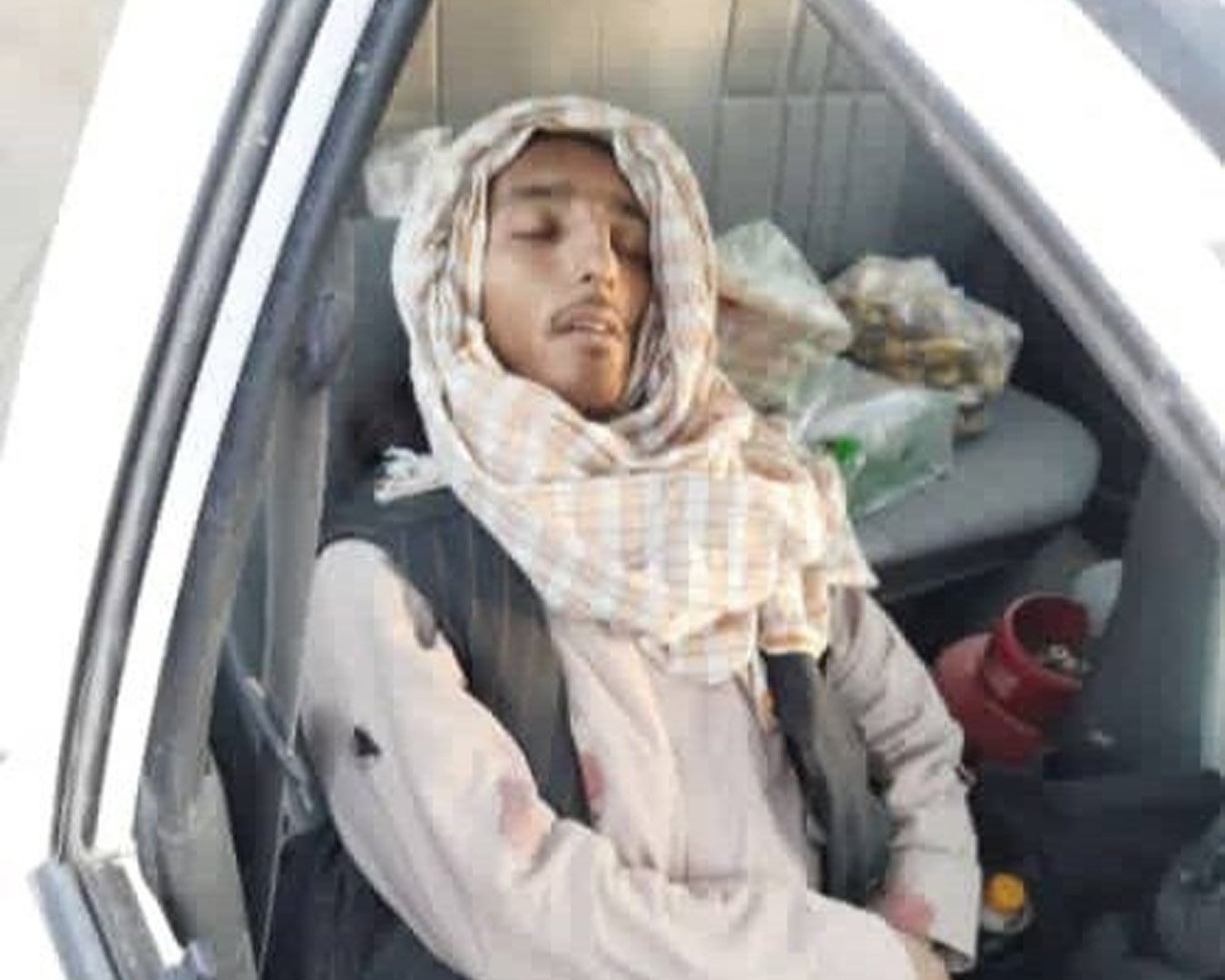
Aziz Yuldashev, commander of the Islamic Movement of Uzbekistan (IMU) and son of the group’s co-founder Tahir Yuldashev, has died from injuries sustained during a targeted attack in the Ghormach bazaar area of Morghab district, Badghis province.
Reports indicate that Yuldashev was critically wounded in the assault and succumbed to his injuries approximately four hours later. While his teenage son survived the strike and was subsequently relocated to Burka district in Baghlan province, one of the perpetrators involved in the strike has been identified as a member of the Katibat al-Tawhid wal-Jihad (or Katiba al-Bukhari) affiliate network.
Son of IMU founder and key architect of regional terrorism
Aziz Yuldashev assumed a prominent leadership role within the IMU following the death of his father, Tahir Yuldashev, who established the militant organization alongside Juma Namangani in the late 1990s:
- Leadership Legacy: Succeeding early IMU leadership, Yuldashev directed cross-border operations and maintained extremist networks across Northern Afghanistan and Central Asia.
- Human Trafficking and Abductions: Intelligence profiles identified Yuldashev as a key operative in lucrative organized crime networks, overseeing human trafficking, high-profile ransom kidnappings, and extortion channels across regional transit corridors.
- Suicide Operations Mastermind: Yuldashev specialized in the ideological indoctrination, recruitment, and technical training of suicide bombers, establishing tactical cells dedicated to complex VBIED (Vehicle-Borne Improvised Explosive Device) and suicide vest attacks.
Tactical integration with the Haqqani Network and regional security impacts
The elimination of Yuldashev highlights the long-standing operational collaboration between Central Asian militant factions and regional insurgent structures:
- Synergy with Haqqani Network: Foreign fighter contingents from the Islamic Movement of Uzbekistan have historically served as shock troops for the Haqqani Network, supplying specialized suicide attackers for high-profile assaults against military and civilian targets across Afghanistan.
- Central Asian Threat Matrix: Border security agencies across Uzbekistan, Tajikistan, and Turkmenistan have long viewed Yuldashev’s cadre as a primary catalyst for destabilization and militant recruitment throughout the Fergana Valley and northern Afghan provinces.
- Fractured Command Structure: Security analysts note that Yuldashev’s death, combined with the dispersion of his surviving family members to Baghlan province, inflicts a severe blow on IMU continuity, further fragmenting foreign fighter networks operating in Northern Afghanistan.
Counter-terrorism observers continue to monitor the movements of IMU remnants in northern provinces, emphasizing that internal feuds and targeted assassinations among Central Asian commander factions reflect ongoing competition within regional militant sanctuaries.