

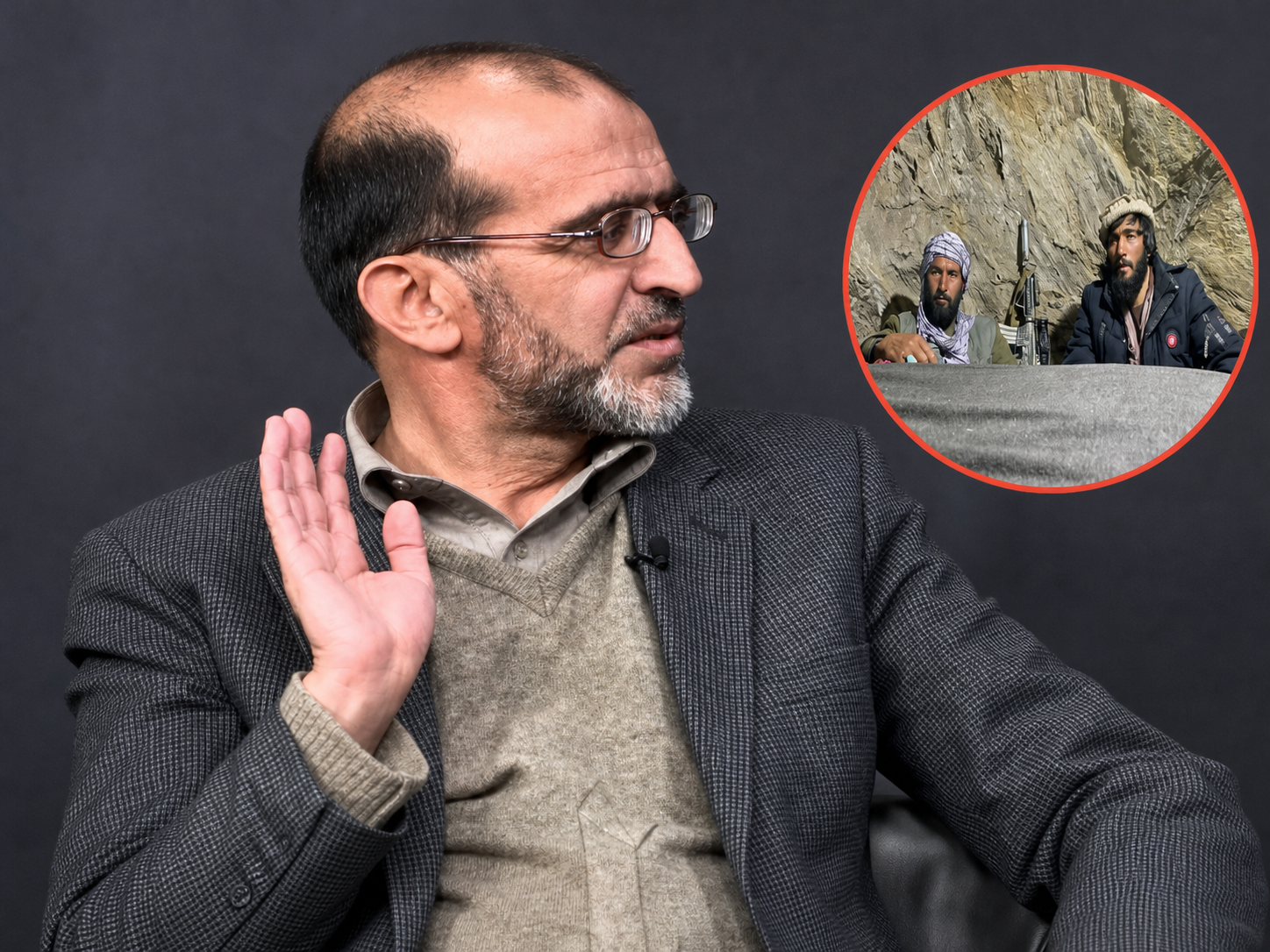
Recent statements from prominent political figures and defecting insiders have exposed severe internal vulnerabilities within the National Resistance Front (NRF), highlighting allegations that infiltration and betrayal within the leadership structure are compromising anti-regime operations.
According to statements highlighting the perspective of political figures such as Hafiz Mansour, internal distrust has deepened following a series of precision setbacks and targeted assassinations of senior military commanders in northern strongholds. Discontented former figures within the resistance movement allege that certain individuals embedded in command circles are leveraging their positions for personal gain, providing actionable intelligence and movement tracking on active resistance members directly to de facto Taliban security units.
Compounding Security Crises for the Opposition
The exposure of alleged internal collaboration underscores the multi-layered pressures facing armed anti-regime factions:
- Targeted Leadership Elimination: Intelligence leaks and compromised command security have directly facilitated high-profile assassinations, significantly degrading local operational networks in provinces like Panjshir and Baghlan.
- Erosion of Internal Trust: Allegations of betrayal among leadership ranks complicate efforts to unify disparate armed cells, fostering paranoia and hindering coordinated strategic planning against de facto forces.
- Hybrid Security Threats: The internal intelligence compromises coincide with broader reports of tactical convergence between de facto forces and covert extremist networks, leaving resistance pockets increasingly exposed on multiple fronts.
As anti-regime factions struggle to secure their operational networks against internal espionage and targeted infiltration, analysts warn that the survival of organized military resistance will depend heavily on internal purging, strict operational security reforms, and restored command accountability