

Geo-economics | By Dr Muhammad Shahid
A stark economic contradiction defines Afghanistan today: bazaars and local markets remain open and functioning, yet ordinary families are experiencing a steady erosion in purchasing power. According to the World Food Programme’s (WFP) Afghanistan: Monthly Market Report Issue 77 (October 2026), elevated commodity prices, steeper transportation costs, and scarce employment continue to squeeze household budgets—even where goods are physically available on shelves.
Viewed alongside the broader realignment of regional transit routes since the closure of major commercial border crossings with Pakistan in October 2025, the WFP findings point to a structural shift in how goods move—and who absorbs the cost.
The growth paradox: macro mumbers vs. Titchen-table teality
Headline economic indicators suggest modest stabilization on paper, yet they mask acute pressure at the household level:
- Real GDP is projected to expand by 3.0% in 2026, but rapid population growth—compounded by returning Afghans—is outstripping overall economic gains, leaving per-capita income projected to contract by 3.3%.
- Currency stability has offered only a partial cushion. The afghani dipped marginally by 0.5% in October to average AFN 64.9/USD, while remaining 2.4% stronger year-on-year and 7% above its three-year average, helping moderate some imported price spikes.
- Inflation remains a heavy burden on daily survival: year-on-year headline inflation reached 7.8% in August 2026—its highest mark since 2022—while food inflation climbed to 8.9%.
- Higher expenses across food, housing, healthcare, and transport collide with weak investment, limited job creation, and restrictions on women’s economic participation, constraining what families earn and spend.
Open markets do not translate into food security when incomes stagnate and the cost of moving essentials rises.
Rerouted corridors: longer hauls and higher logistics costs
A year after major border crossings with Pakistan closed in October 2025 amid border clashes and security friction, Afghanistan’s trade channels have reoriented heavily toward western and northern corridors:
- Iranian direct trade and transit routes accounted for 56.6% of Afghanistan’s trade flows in the WFP assessment, while Central Asian corridors made up 38.9%.
- Longer transit distances and logistics bottlenecks have increased import costs and left domestic markets more exposed to supply-chain disruptions.
- Diesel prices averaged AFN 80.4/litre in October—3% higher than a year earlier and 13% above the three-year average—keeping upward pressure on freight and day-to-day market operating expenses.
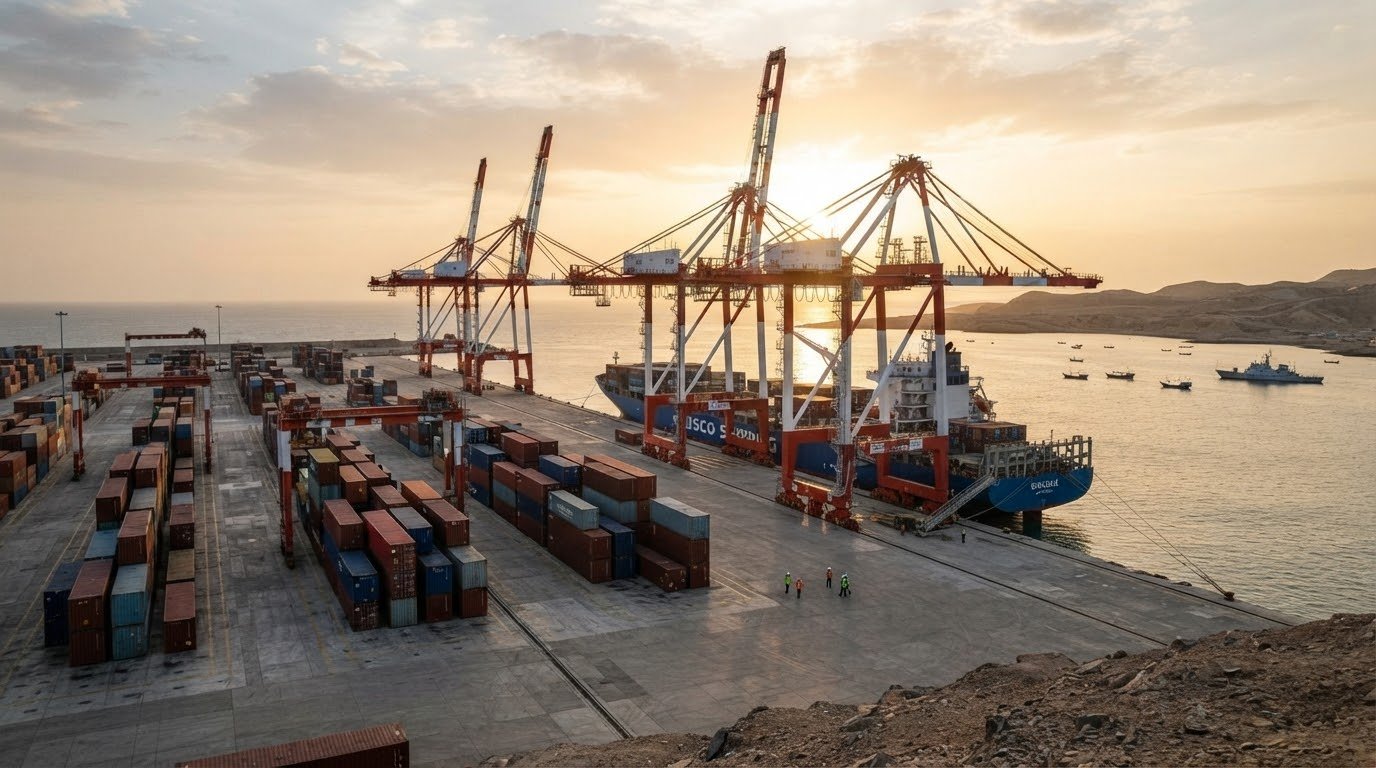
At the same time, the regional transit map is being contested and redrawn beyond Afghanistan’s borders. Pakistan has moved to operationalize overland transit routes linking Central Asia with Pakistani ports via Iran and China—including through the Sost Dry Port and Gwadar—as a way to bypass Afghan transit bottlenecks and expand alternative connectivity. Meanwhile, border closures and regional tensions have sharply curtailed traditional bilateral and transit trade flows between Pakistan, Afghanistan, and Central Asia, imposing friction and higher costs across regional supply chains.
Security friction and winter vulnerability
Economic strain inside Afghanistan is tightly bound to cross-border security disputes and shrinking humanitarian buffers. Persistent tensions along the frontier—including mutual accusations over militant sanctuaries and cross-border attacks—have kept border trade fragile and unpredictable.
As colder weather sets in and seasonal agricultural work slows, higher food and transport costs leave vulnerable households with narrower margins. Returnee pressures and constrained international relief compound the challenge, turning longer, costlier supply chains from an abstract trade story into an immediate test of household resilience.
Bottom line
The WFP’s October 2026 market report underscores that Afghanistan’s challenge is no longer merely whether goods can reach local markets—it is whether households can afford them amid higher logistics costs and weak incomes. As trade corridors shift and regional transit routes compete for relevance, sustainable relief for ordinary families will depend on predictable trade channels, lower transport friction, and genuine job and income growth.